Skip to content


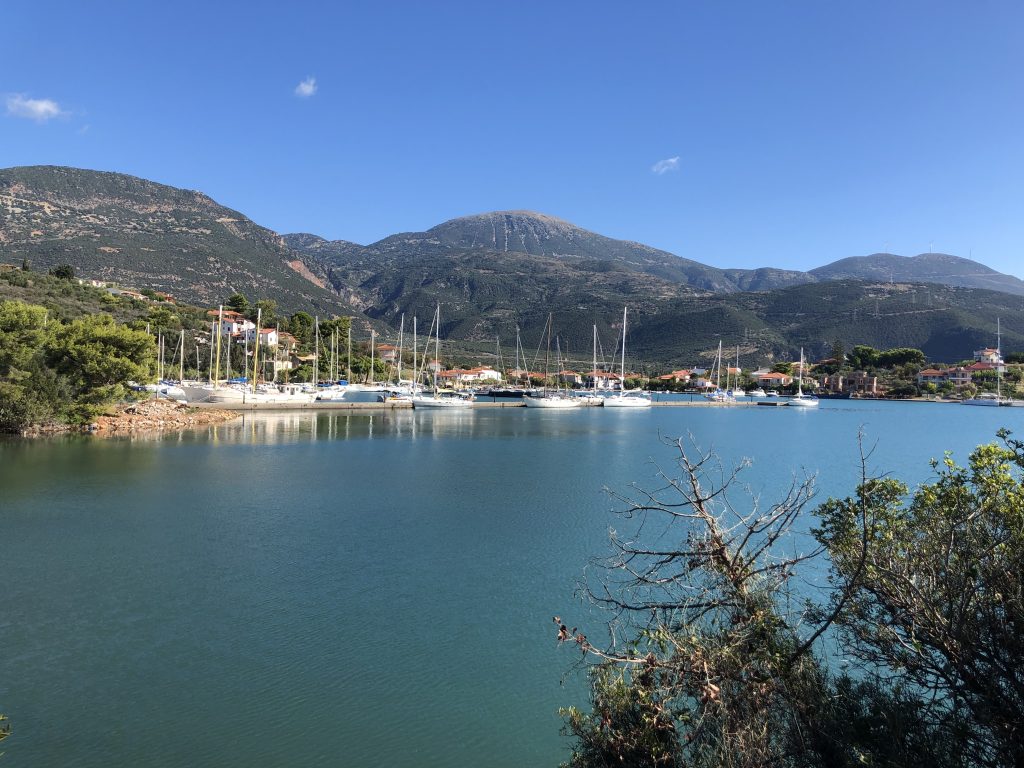
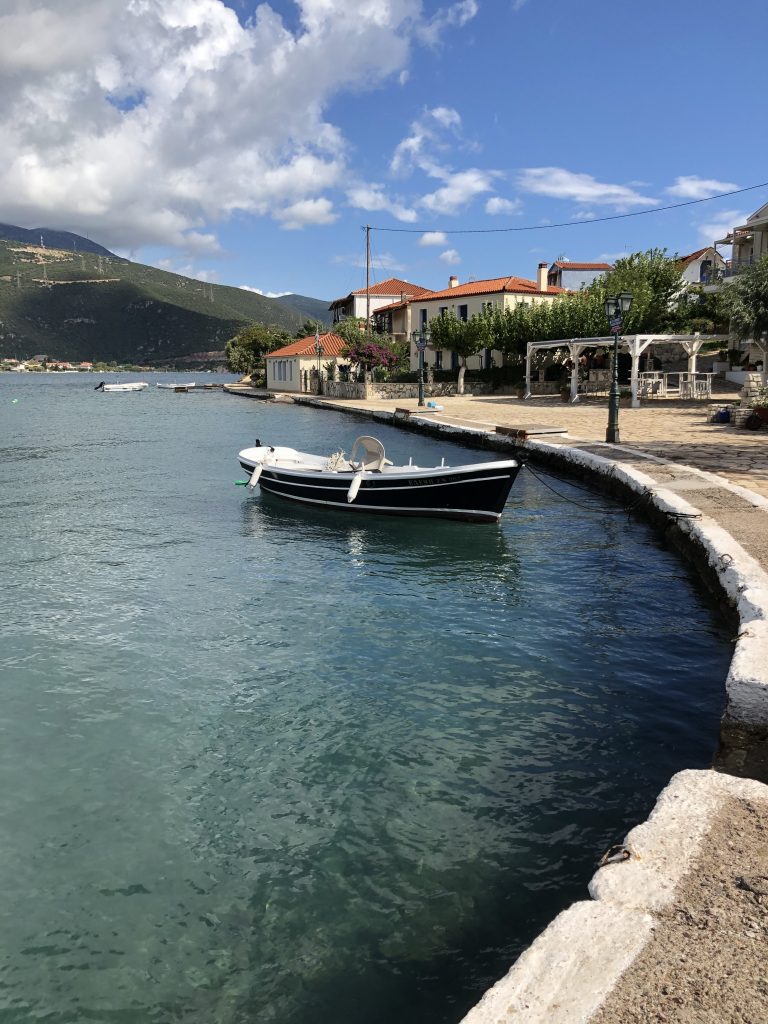
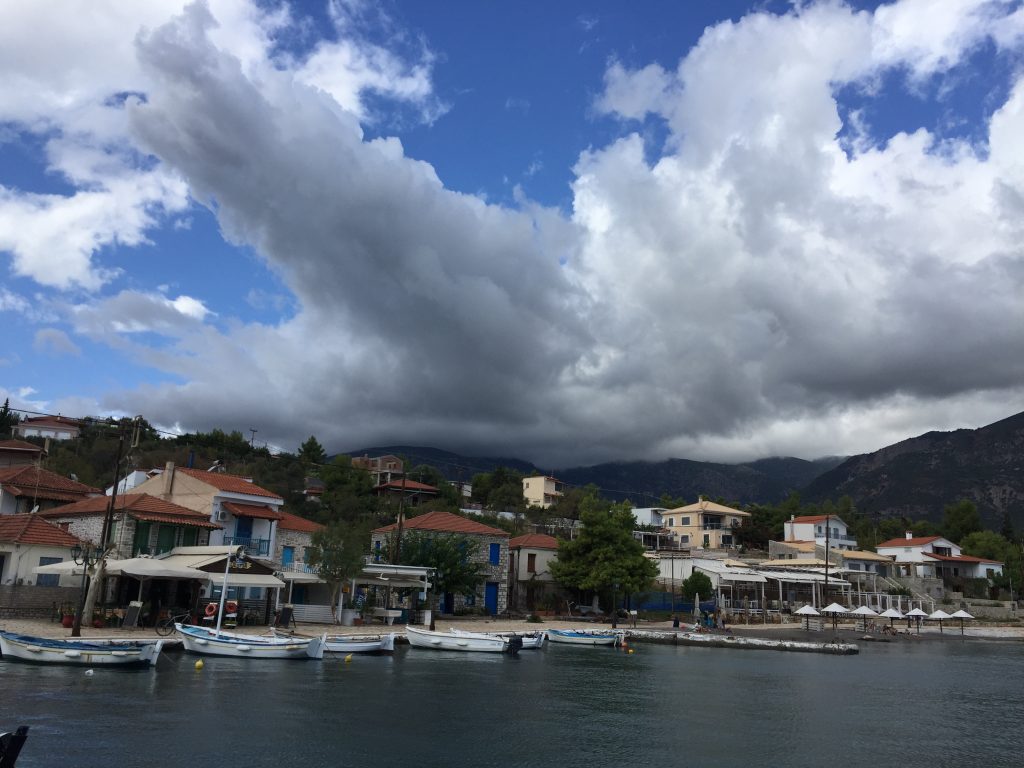
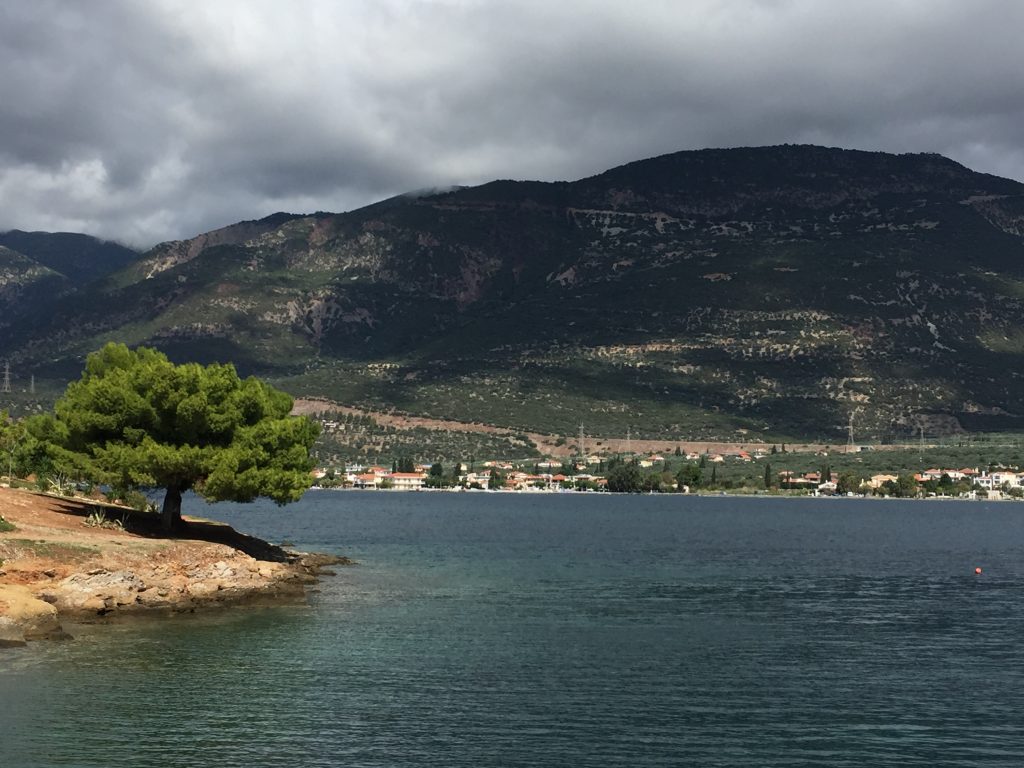
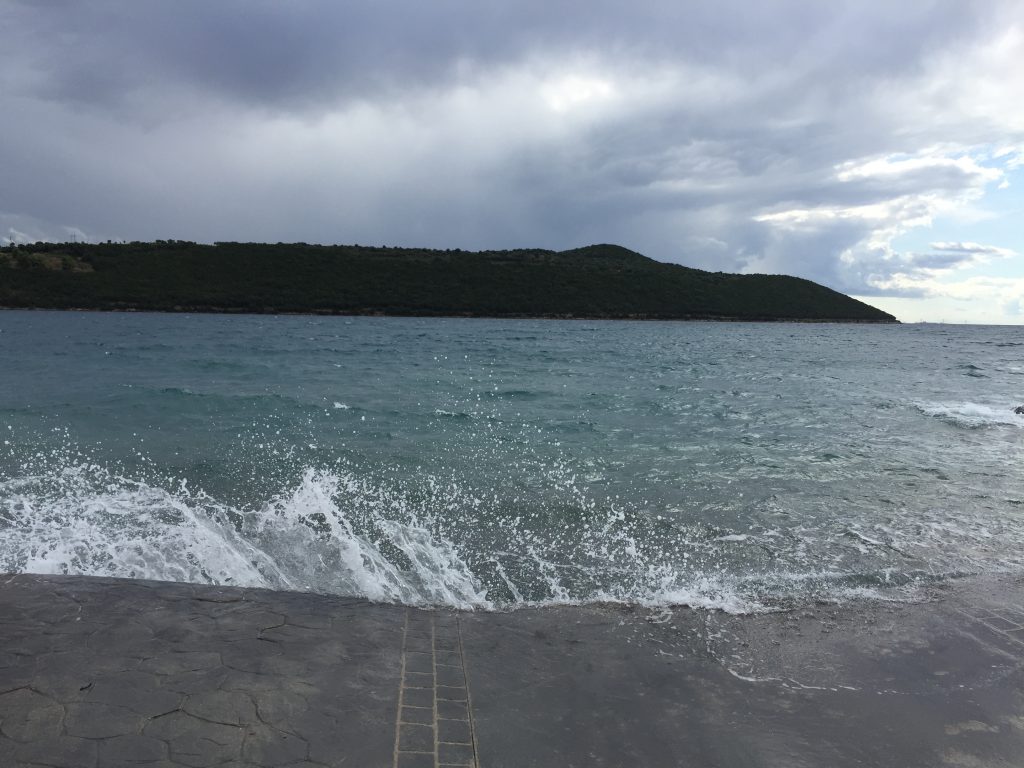
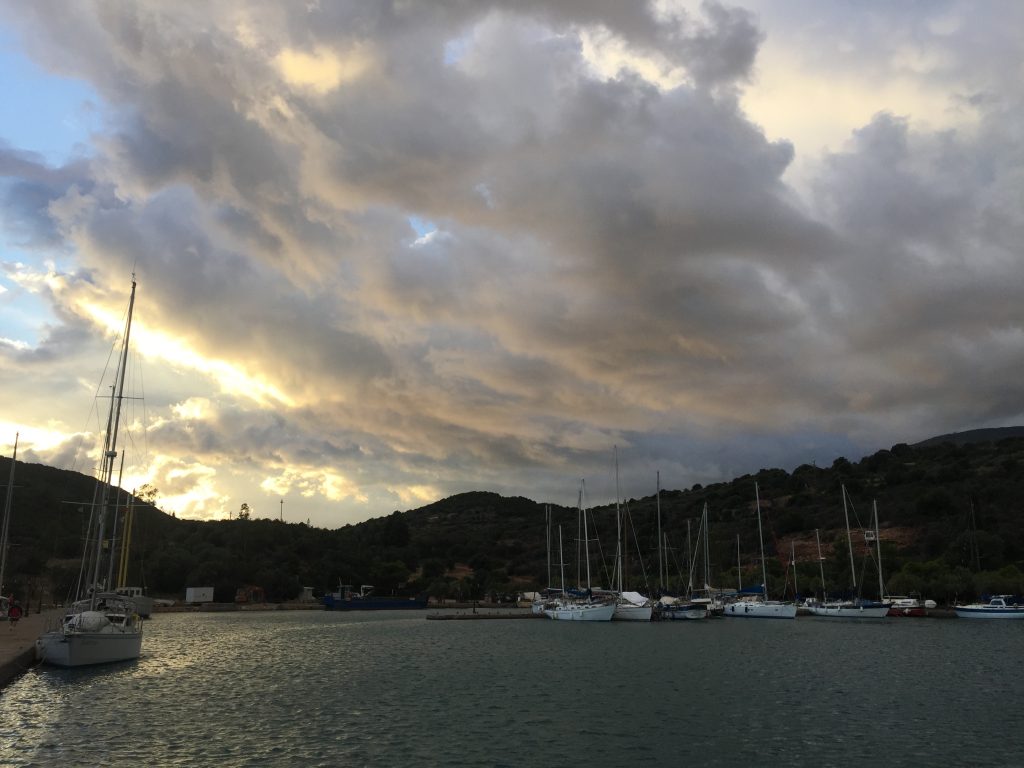
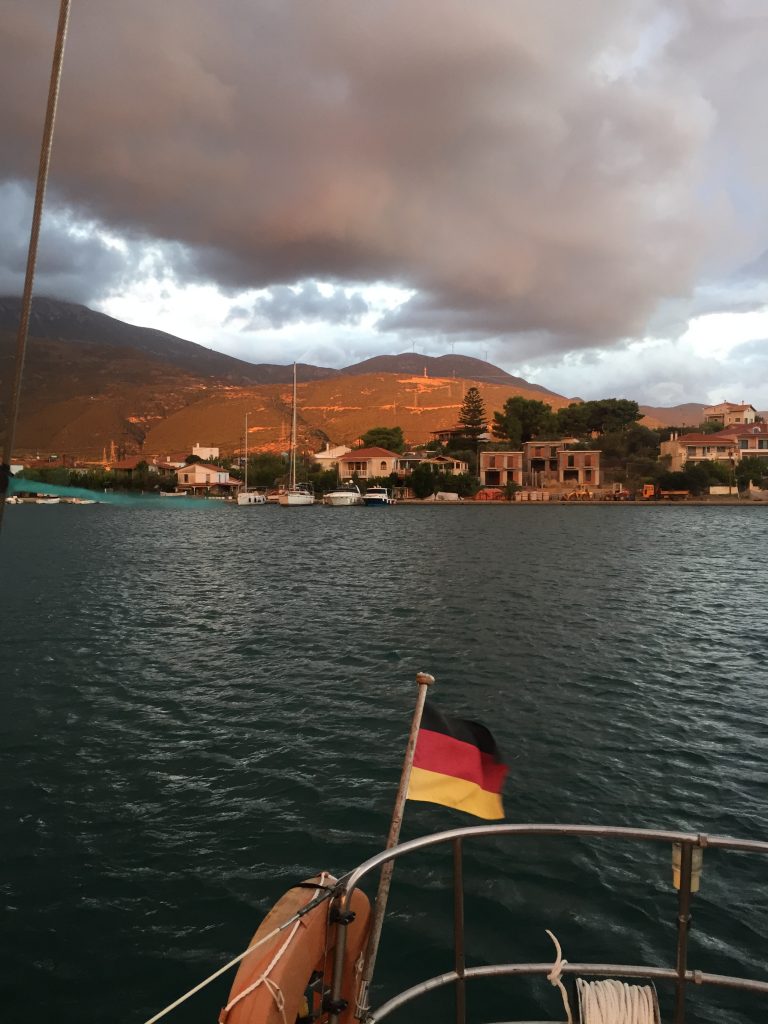
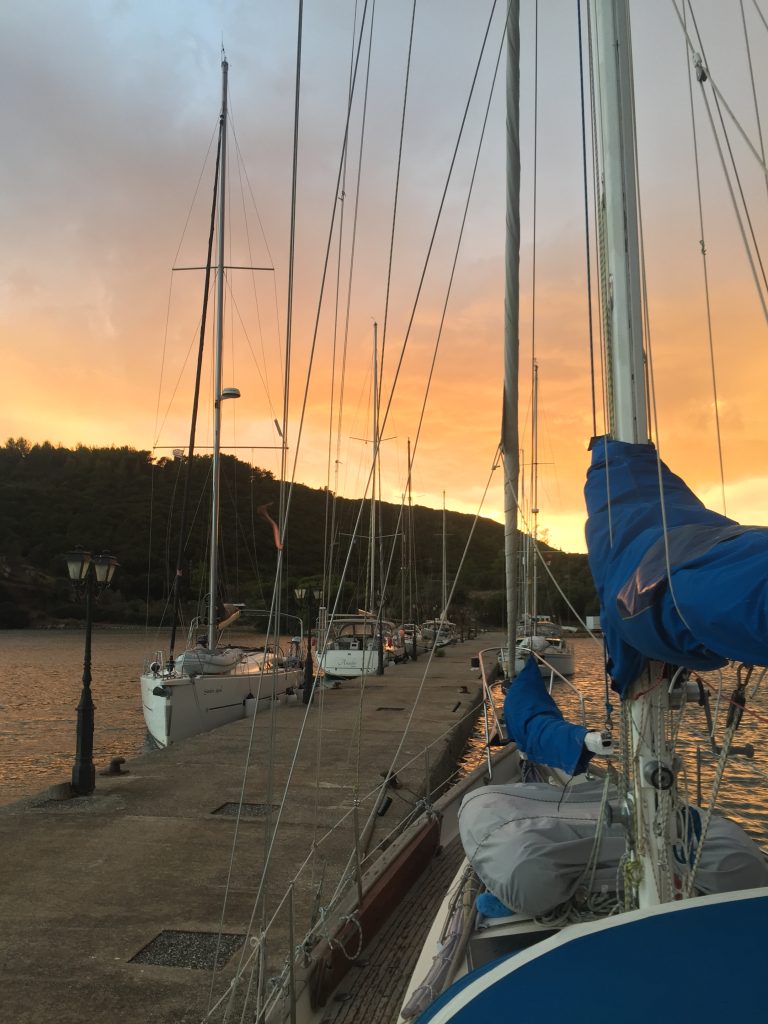
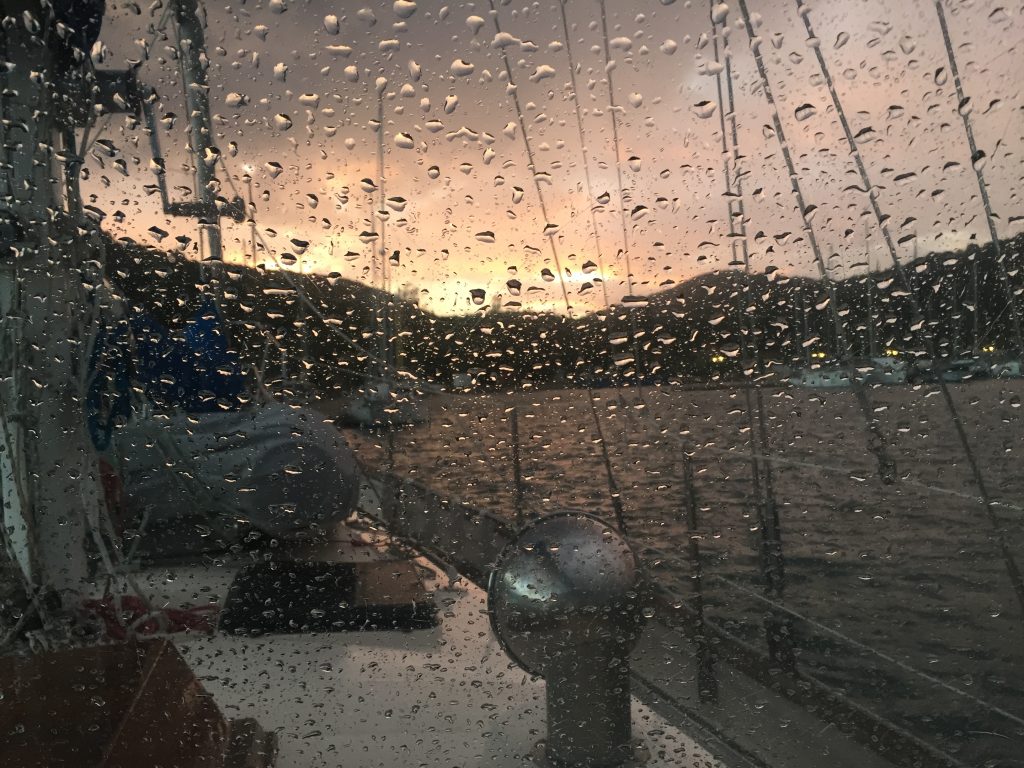
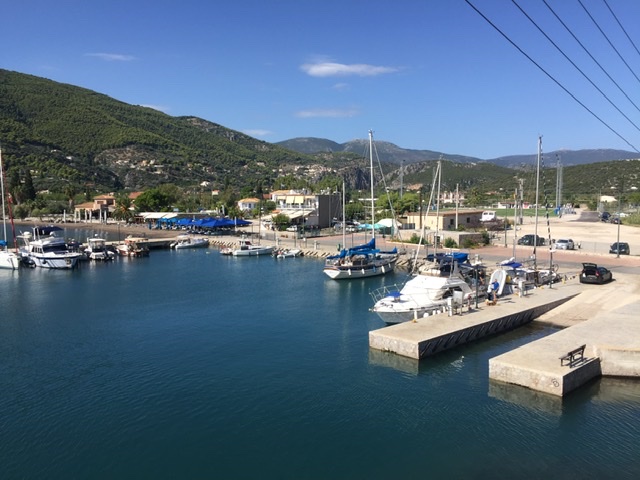
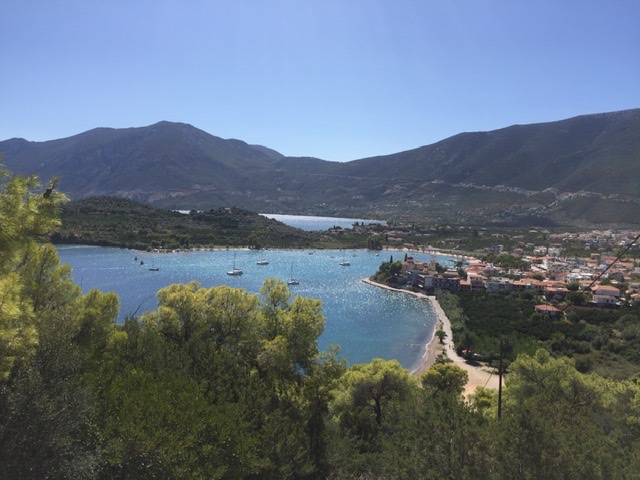
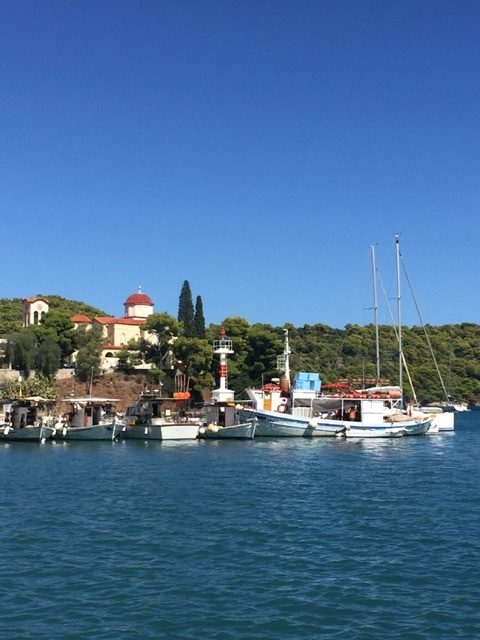
We extended twice - so we stayed there for nearly one week. The island is located at the extreme south-eastern tip of the Peloponnese, separated from the mainland only by a 500m wide channel. One of the safest harbours in Greece, it is said - although it is not an enclosed harbour at all: You lie on a 2km long pier, opposite the mainland, but protected by it. Here we weathered the Medicane, which had raged violently on the Ionian Islands, but which arrived here "only" as strong wind and cloudburst.
In the harbour there is always a lot going on, of course, also because the fast ferry from Athens arrives here and there are many small taxi boats between the mainland and the island. Sailing boats and motor boats also anchor in the middle of the harbour.
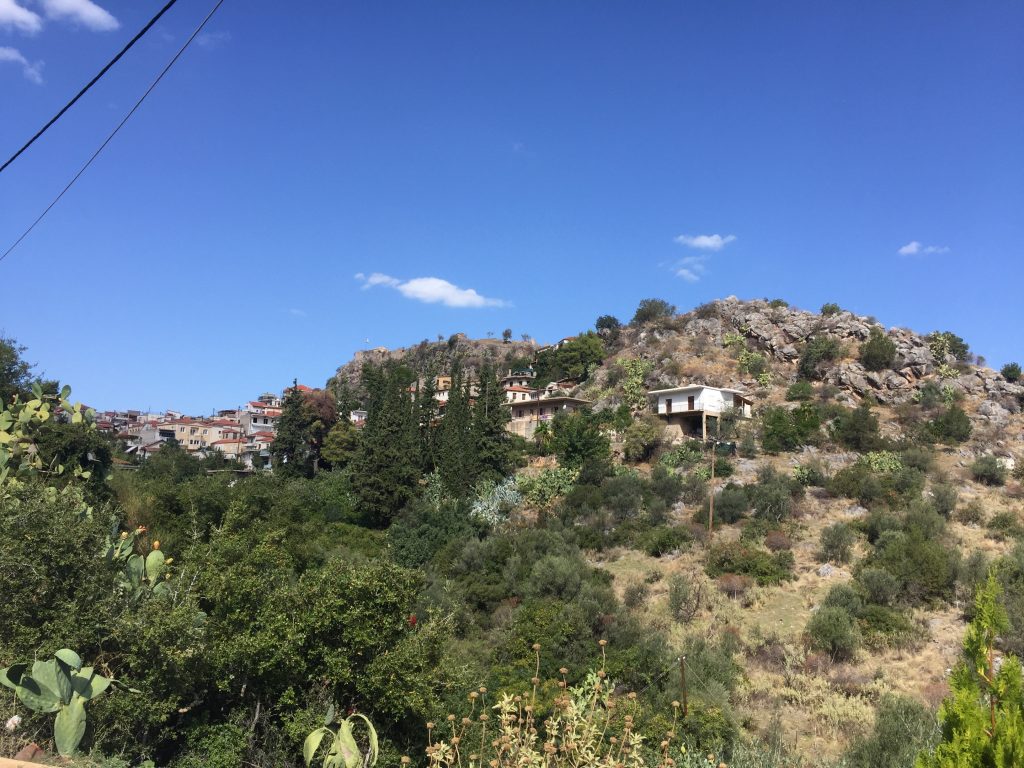
Directly at the pier the town of Poros stretches along, one tavern at the other, inside small Lines. And the town is grandiosely built up along the slope, winding steep alleys, stairs, passages - you don't need to ban Cars here, no car can get up here anyway. At the top there is a blue and weite clocktower, from which you have a wonderful view over the city, the harbour and various bays. There are many anchor bays here, Love Bay, Russian Bay (here the Russian Tsar built a naval base, of which a ruin still stands) and many others.
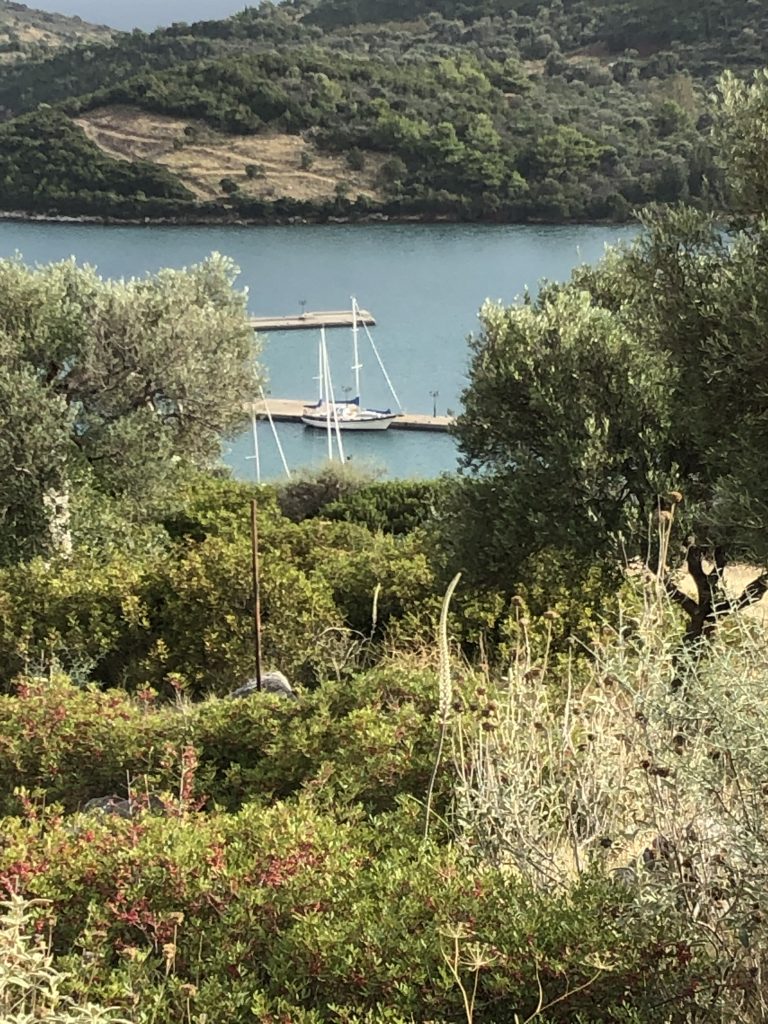
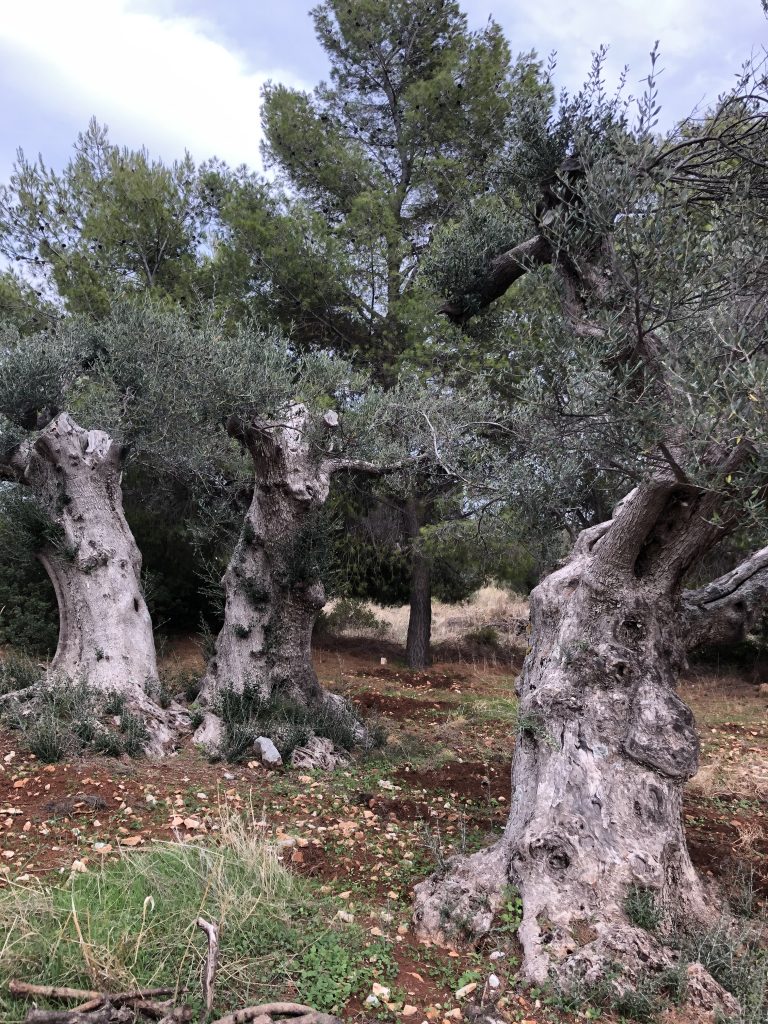
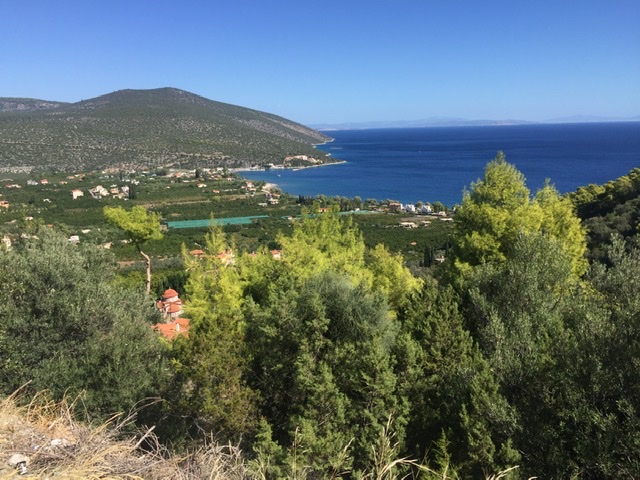
In a long walk along the shore with many views of the bays and the surrounding islands you can reach the "Monastery of the life-giving spring", situated on a hill above the "Monastery Bay", with dense forest and in front of it overgrown with many olive trees towards the beach.
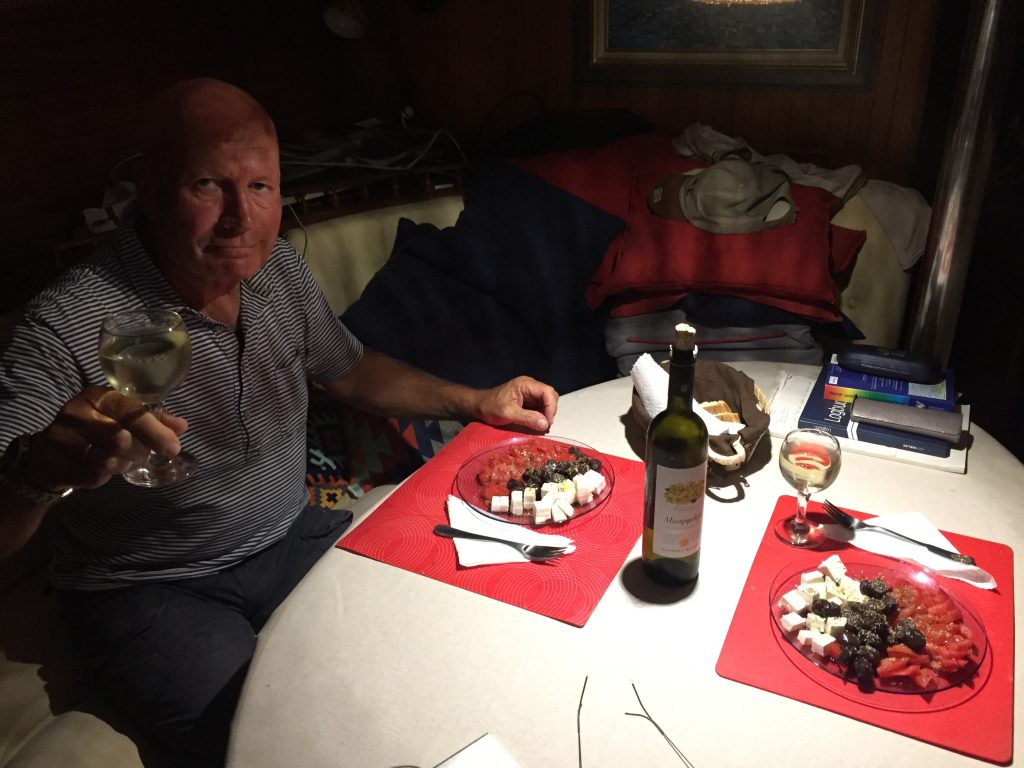
Halfway up between the winding alleys and corridors there are also restaurants, not only at the harbour. Here we ate something very special: snails! Much smaller than the snails we know from France, a little spicier in taste, with an incredible sauce of tomatoes, garlic, wine, juniper and cinnamon.
Sometimes we had the feeling that if we were not careful, we would not get out of here at all.

Monastery of the life-giving spring (Zodóchos Pinghi)

Limeni


Anchoring has many advantages: You don't have to be careful not to get too close to other boats, you don't have to be careful not to touch other boats in a narrow box, exact going Backware (with a long keel!) is not necessary either. Also you don't need help from land to take the ropes…..narrow harbours, noisy towns/villages…….
When anchoring in a bay you find a nice place and then drop the anchor - no. It is not quite that simple. The weather should be as calm as possible, not too much wind, as stable as possible from one direction - but you have the least influence on that.
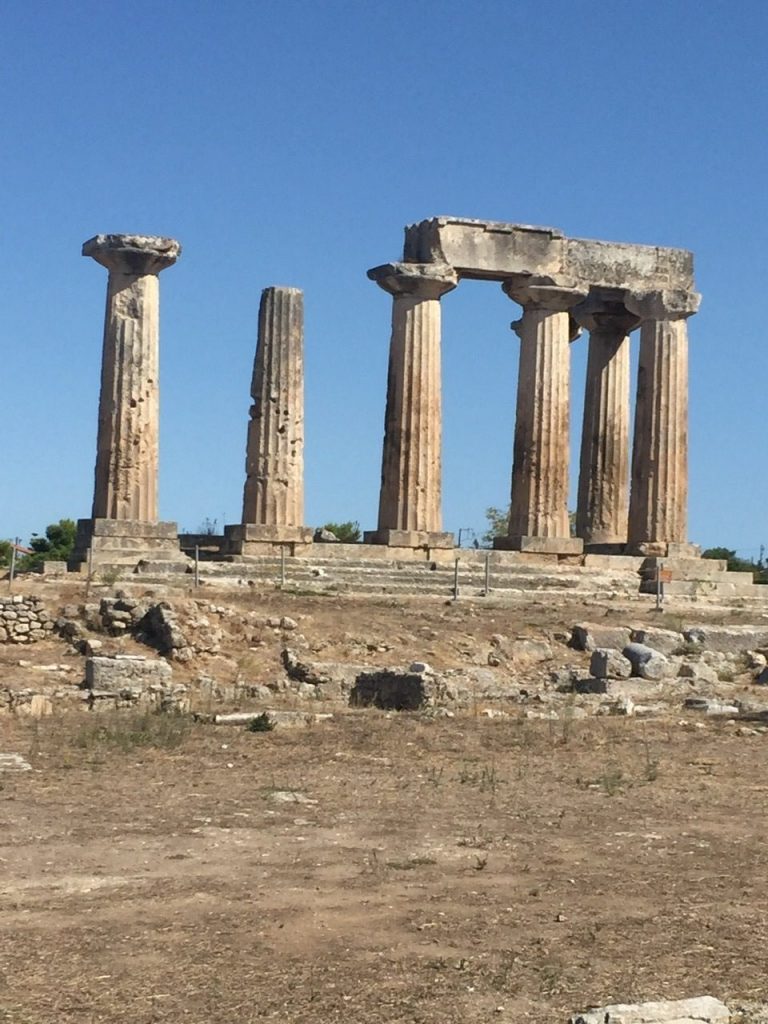
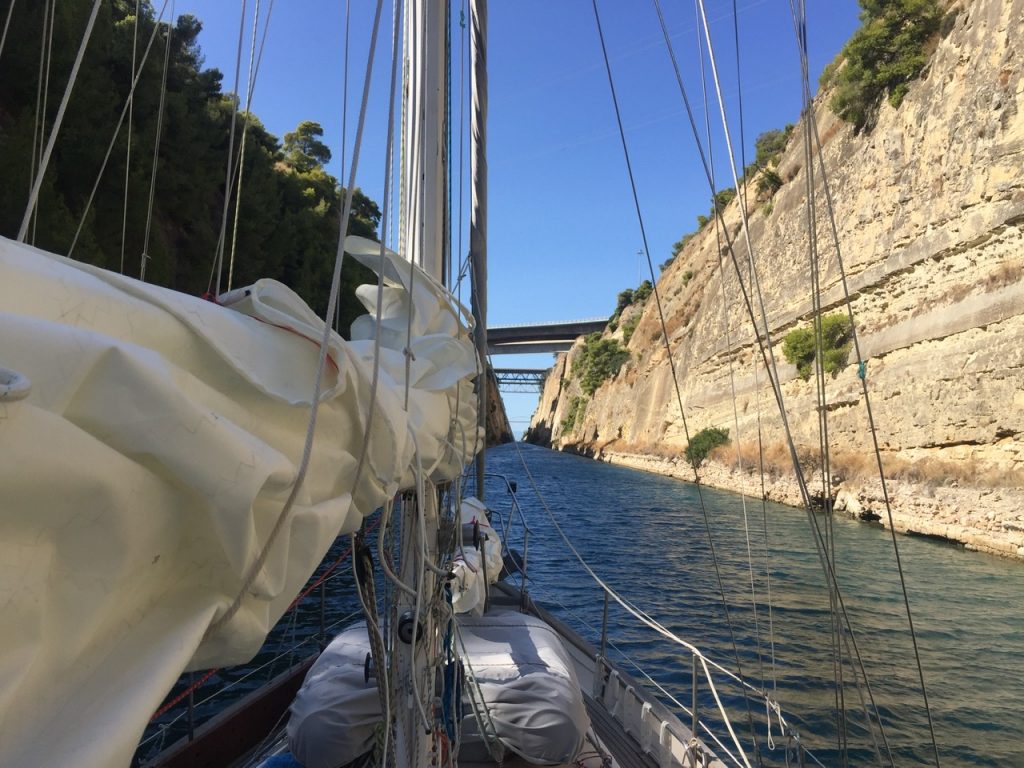
The place has to be chosen so that you don't get too close to other boats. You have to take into account the radius in which the boat will swing, i.e. swing back and forth at the anchor. Which of course also depends on the wind direction. Will the wind calm down at night? Or will it change direction?
The depth of the water is important for the anchor to hold well. There are different philosophies here: some say you have to chain (= let out) seven times the water depth, others say three and a half times.
In good weather you can still see five metres to the bottom without any problems. What is the anchorage ground? Sand? Silt? Grass? Stones/ Rocks? Will the anchor hold? Will it wedge between stones on the ground?
How should you bury the anchor to make it stable? How hard should you pull the anchor so that it pushes into the ground? When the anchor is down, it is said: wait and see - landmarks, houses, trees, towers……always check whether the boat is in the same proportion or whether it is shifting.
Swell can be unpleasant, especially at night when the boat rocks up and down violently and pulls on the anchor. Then you sleep badly.
We have had different experiences, it depends on the shape, size and location (open or rather closed) of the bay. Seven wind forces are easy to cope with - if the anchor holds.
In a very narrow bay, a small fishing boat with a fisherman sleeping on it bumped into our boat at two o'clock in the night - we were probably just as frightened as the fisherman who then tried to get away.
One should not sleep as soundly at anchor at night as in the harbour. In Portocheli the boat behind us had suddenly come damn close, so our anchor had slipped. And so far that a little bit of pulling in the chain would not have been enough. So we started the engine, raised the anchor and looked for a new place - at four in the night. But then the anchor was sitting and kept us well in our place for the next two days and nights in strong winds.
We always sleep (in good weather) outside in the cockpit when anchoring. And this is where one of the fascinating experiences of anchoring comes into play: no disturbing light far and wide, an unbelievable number of stars - and sometimes even shooting stars, you don't find anything like that in any harbour.

Koroni
Porto Kagio
Elafonisos
Portocheli
Russian Bay (Insel Poros)


The beautiful town of Nafplion is the former Greek capital from independence 1829 to 1832, an originally Mycenaean settlement, later conquered by the Byzantines, the Franks, the Venetians and the Turks, the latter two alternating at short intervals.
In 1832 the Greek National Assembly elected Otto of Bavaria (!), a Wittelsbach, as king - certainly the central European powers, Germany, Russia and France, had a hand in this, supporting Greece in its fight for freedom against the Turks. Otto began his reign at the age of 17 - after all, he ruled for 30 years until he was forced to abdicate after an uprising. An important decision of his government: he introduced the German (Bavarian) purity law for brewing beer: The beers you can drink in Greece, Mythos, Alpha, Fix, Mamos, Zeos and a few more, taste excellent.
The fortress Palamidi is gigantic on a steep rock, 216 m above the sea, Venetian-Turkish style, accessible by almost 1000 steps up the rock. At the top, besides the impressive fortress, within which there is also a small Byzantine church, you have a wide view of Argolis in the north and Arcadia in the south. On the south side of the fortress is a large turquoise blue bathing bay, 10 minutes walk from the city.
The town itself is situated between the rock (on which there is also a second, smaller fortress) and the large harbour. At the edge of the harbour in the middle of the water there is another small fortress, Bourtzi, only accessible by boat.
Small alleys, paved with marble, boutiques, workshops where olive wood is worked, jewellery is made or sandals are sewn, make up the flair. As well as the countless taverns and pubs, which of course serve excellent fish dishes, but also classics like moussaka, stuffed tomatoes, lamb with lemon sauce - wonderful. The flair is urban, you notice that Nafplion was once the Greek capital.
The travel guide says: Nafplion is a dream destination. True. We were there for five days and it was wonderful.

Palamidi Castle
1000 steps
Beautiful villas and beautiful squares
Narrow lanes with many tavernas
Greek Beer brewed with German purity law: We like Mythos best
Urban beach


One remembers the history lessons and the pictures in the history books: The gigantic Lion's Gate, of which we still do not know how the huge stone blocks were piled up to the wall and the gate and in general to the citadel. According to the legend it was Perseus, son of Zeus and Danae, who founded Mycenae and commissioned the Cyclops to build the wall.
We are in Argolis, no longer in Arcadia, but the landscape is similar. Between two hills overlooking the sea, Mycenae is about 20km northeast of Nafplion. The huge citadel looks from a distance as if it had grown out of the hill. You walk through the huge walls through the lion's gate to a circular burial chamber, diameter about 15 meters, 5 meters deep. Then through a quarter where the craftsmen and artists lived and worked, an area of cult practice, and up above is the citadel. Heinrich Schliemann, who you meet everywhere here, and who "excavated" Mycenae, dated Mycenae to the classical Greek period, the golden mask, also in every history book, was for him the mask of Agamemnon.
This is one of the reasons why we know Mycenae as one of the most important origins of the Greek culture and connect it with the confederations of cities, with Athens and Sparta, with Classical Greece, eighth to third century BC, also with the classical epics and tragedies.
Meanwhile it has been found that Mycenae is much older, until 2000 of the pre-Christian period, first beginnings around 3000 at the beginning of the Bronze Age. Corresponding cult objects, but also articles of daily use and weapons are exhibited in the Archaeological Museum, which is located nearby - naturally also statues and findings from the Greek period.
Thus Mycenae stands for centuries and millennia of development from the settlement, agriculture and handicraft up to the Greek/hellenic high culture and thus for the change, with which following settlers or also occupiers, who took over and integrated positive elements of the culture found for them in each case. The museum uses a very appropriate term for this: "cultural fermentation", and today we are of course also a part of it.

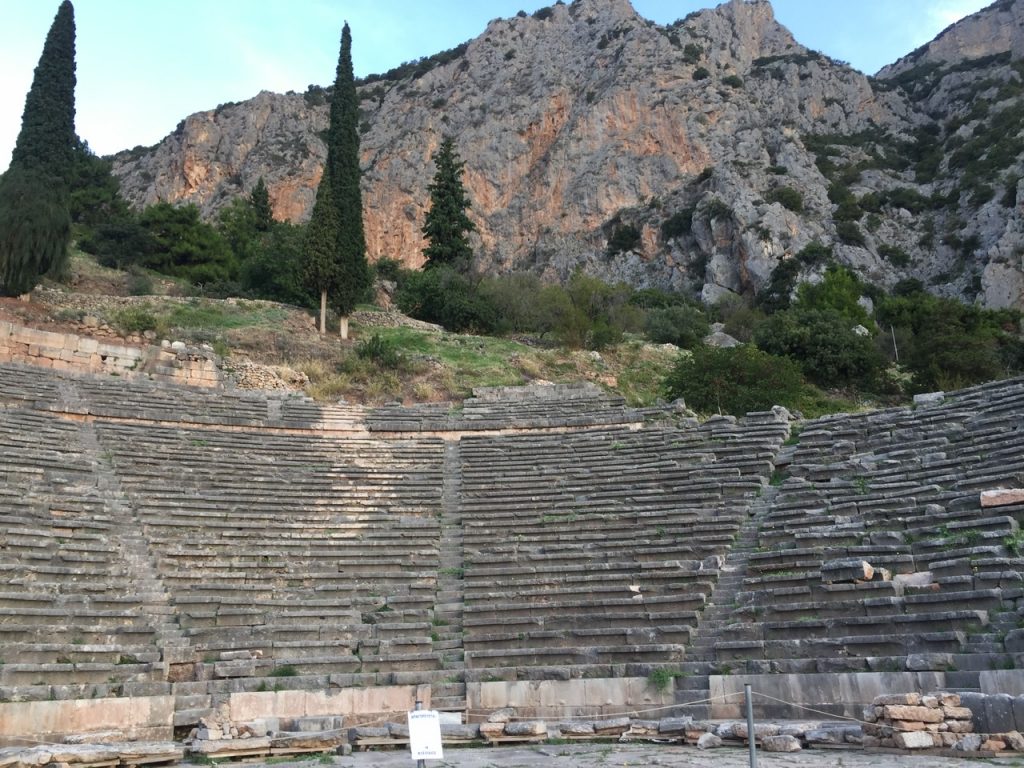
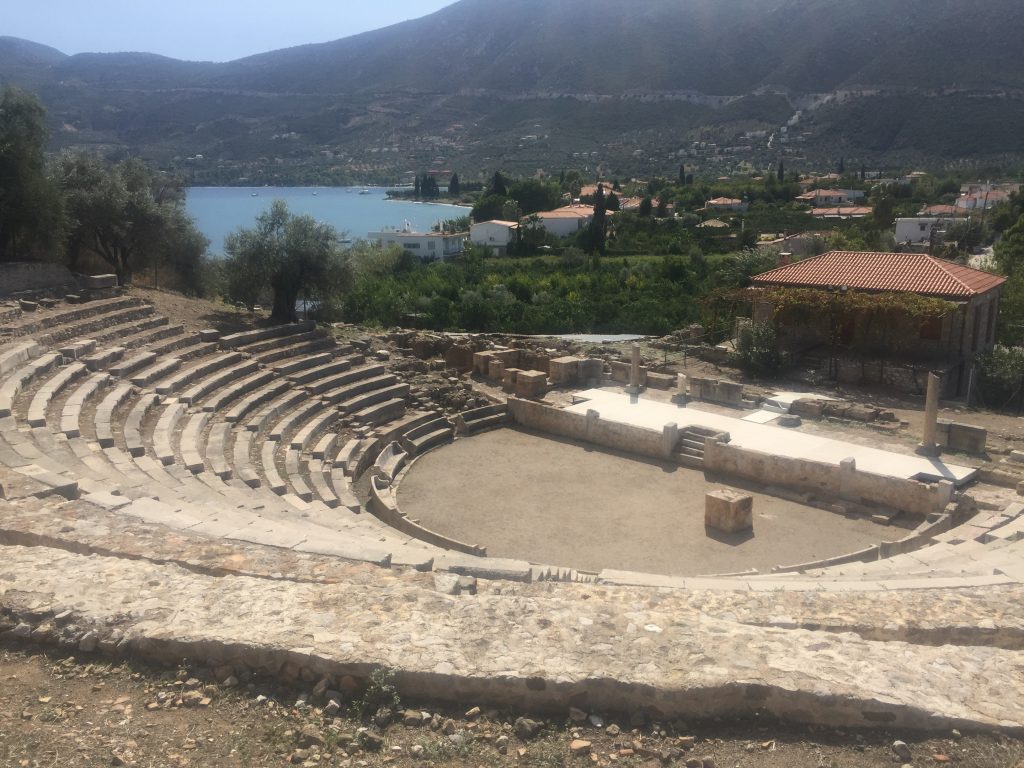
Epidauros is the most impressive and best preserved theatre of the ancient world in Greece, according to the guide book. 2300 years old, it can hold up to 14,000 spectators and has excellent acoustics that all visitors try out. Excavations by Greek archaeologists prove that Epidauros was a place of worship for religious acts in ancient times. Since the 5th century it has also hosted festivals, with sporting disciplines and artistic competitions. Every year, in July and August, there is a theatre festivals of international standing.
During our visit to Epidauros, the large car park is almost empty and the festival has not taken place this year. Also one of the effects of the Corvid pandemic. As sad and bad as it is for all those whose livelihoods are linked to it, for us this emptiness is pleasant. We don't have to wait at the ticket counter and we can take photos where no tourist is to be seen.

What we didn't realize was that the rise of Epidaurus was inseparable from the cult of Asclepius, god of medicine, son of Apollo and Coronis. His birthplace was located there. So Epidaurus was not only a place of worship in ancient times with temples and porticoes, but also a spa with hospitals, amusement parks, hotels and later on, with the Romans, thermal baths were added. Healing was probably done by hypnosis, but also by baths, relaxation and mental stimulation, for example theatre performances. We could well imagine all this while walking through the extensive excavation area. So the combination of medical and psychotherapeutic treatment methods, which is successfully practised today, also has its roots in the ancient world on Peleponnes. Learned something again!


Ovid sang about it, Goethe praised it, and according to the travel guide, even Ernst Bloch was already here: Arcadia, place of longing and fascinating ideal "golden" landscape. And, to quote the travel guide again: "Home of the shepherd god Pan: rugged mountains, gnarled pastures and empty villages, sad myths and places of warlike encounters".
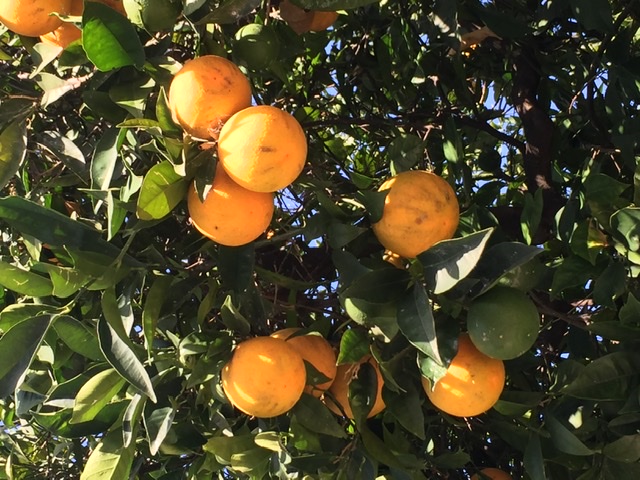
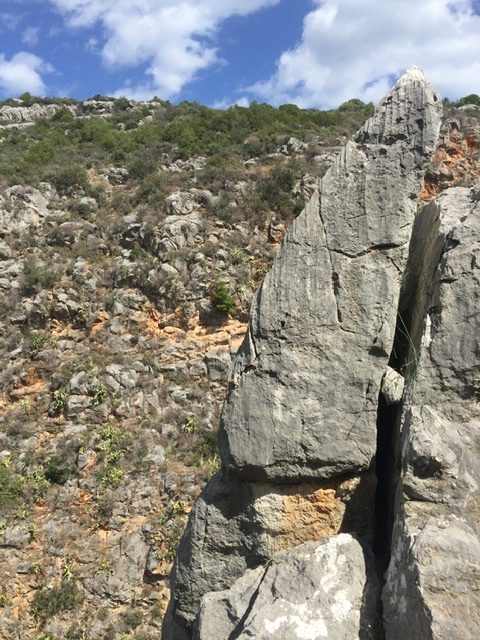
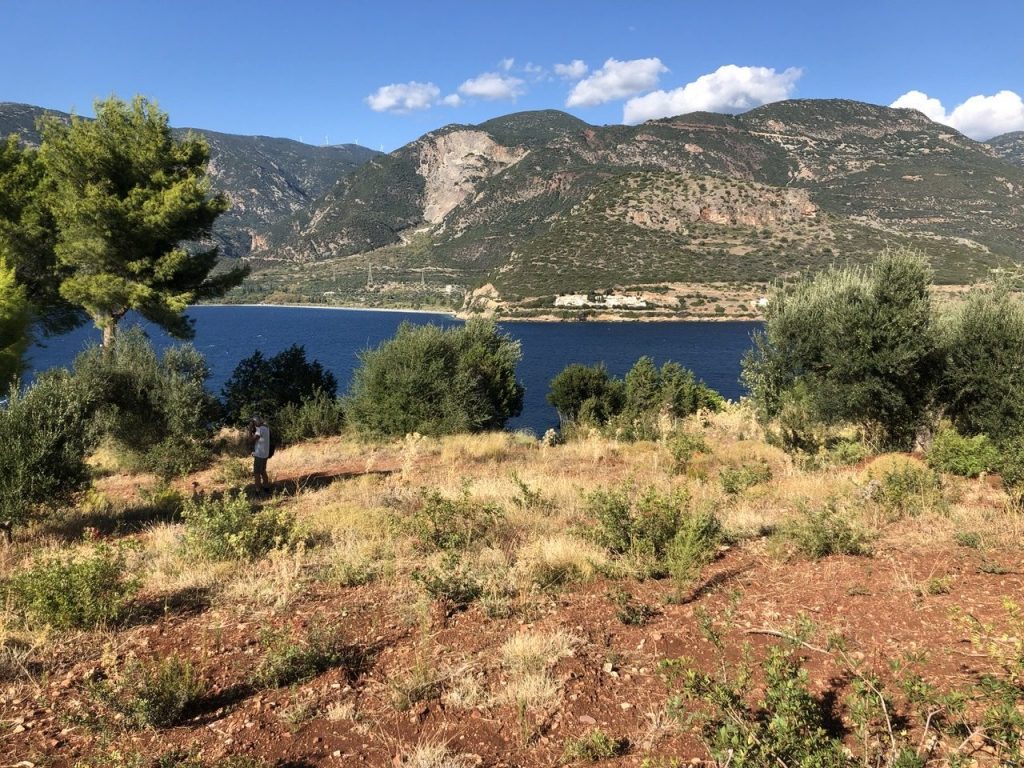
We approached Arcadia from the sea. Beautifully rolling hills that change colour depending on the position of the sun and the time of day, from green to brown. In the background, steep rock falls, red karst near Leonidi. The land is barren - except for the alluvial fans of the rivers, which have created fertile plains, olives, vegetables, wine, citrus fruits are cultivated, here are also the cities. Small fishing villages like Kyparissou, Paralio Astros, very idyllic, tiny harbours and beautiful anchor bays. This is one of the reasons why the Roman consul, orator and politician Herodes Atticus built his huge vila here 1900 years ago - with a view of the sea, but seven kilometres away. Next to this villa is the small Monatserste of Loukos with its uniquely beautiful garden. Here a nun explains the difference between Greek Orthodox and Russian Orthodox Church (none except for a few other holidays), then she invites you to a glass of water with homemade marshmellow-like sweets.
Besides Roman remains and Byzantine monasteries and churches, there are also Frankish fortresses in Arcadia - Franconia is the collective term for crusaders here.
A beautiful, harsh region, you can understand the praise of this country.

Kiparissou
Plaka/Leonidi
Port of Paralia Astros
Paralia Astros: View from the castle
Paralia Astros: a frankonien castle again
At the beach
Pedestrian area
Monastery Loukos

Many who sail know this: there are wonderful nights on board. For example in a beautiful bay. The boat lies quietly at anchor. You lie in the cockpit, look into the rig and into the beautiful starry sky, another glass of wine and then sleep until the sun comes back. Or: On a long trip across the Atlantic. You are at the helm and on watch. All others are sleeping. The rising stars above the horizon. They shine green, red and blue. You observe how they gradually become as white as we know them when they climb higher.
But there are also other nights: The wind turns and the anchor chain starts to jerk. Will the anchor hold? You are are alarmed and can‘t sleep anymore. Or: You have chosen a "safe" small harbour because strong wind is announced for the next day. So we did on the east side of the Peloponnese on the way from Monemvasia to the north. In Plaka/Leonidi, a good 20 nautical miles further north, we moored alongside at the pier. A nice little place where we were given a bag of tomatoes, cucumbers and peppers as a welcome present. Here we wanted to stay for two days to explore the surroundings, beautiful villages and impressive rocks.

Then it turned out completely different: At midnight our many fenders scraped up and down the pier violently. No wind but an incredible swell in the harbor. The wind further east had built up this strong swell. It did not hit our boat directly, but it was reflected from the shore into the harbor. So we to make "fender watch", so that our boat was not not damaged. Our Austrian neighbors had the same situation. They know the small port for years and had never experienced such a heavy swell there. It stayed there the next morning as well. So no exploring the area in Leonidi. We fled a bit further north to the port of Astros. Here we now lie calmly in front of the bow anchor with a view of the fortress above the town. We also met our Austrian neighbors here again. And now: sleep and then explore the surroundings.