Springe zum Inhalt

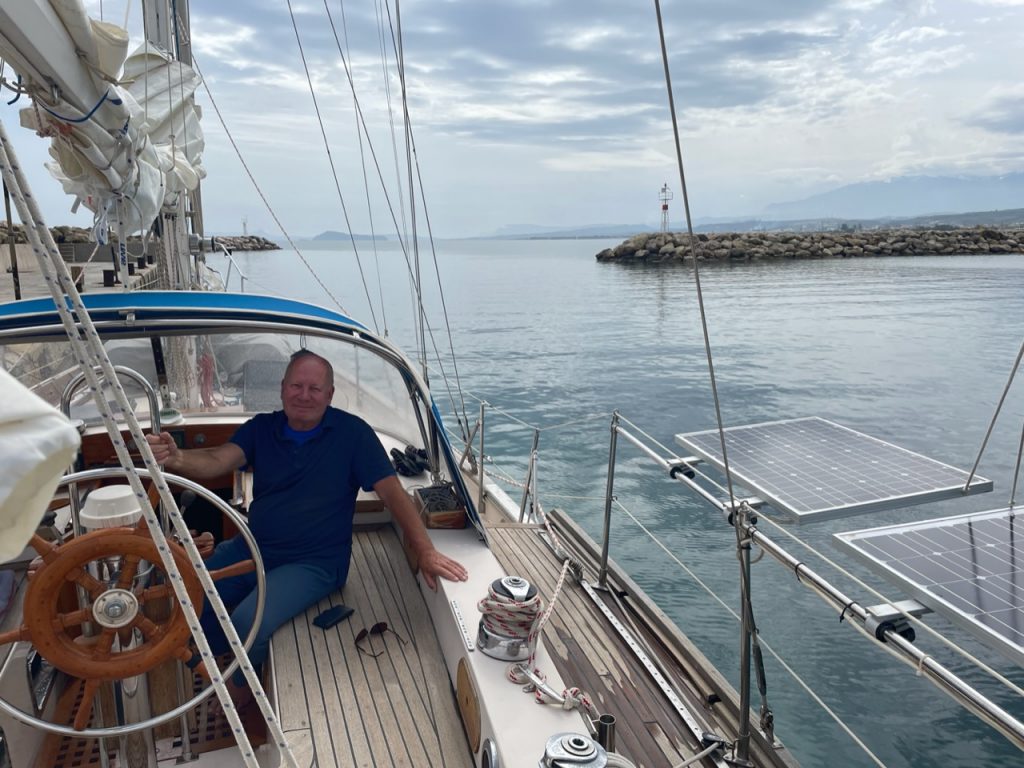
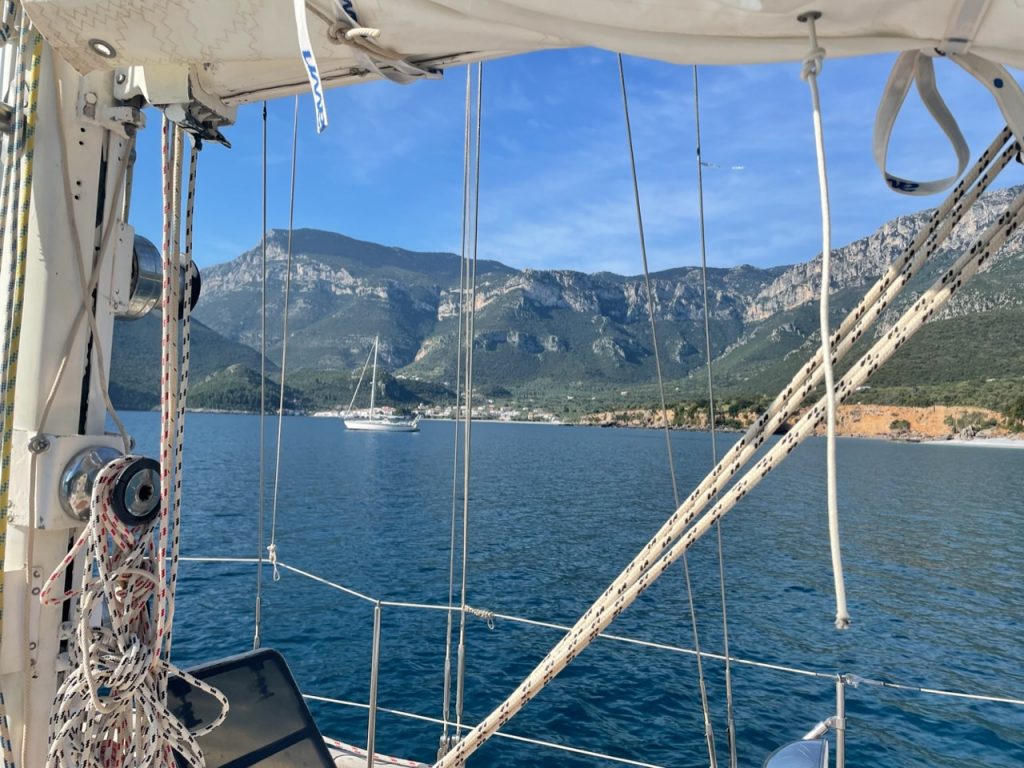
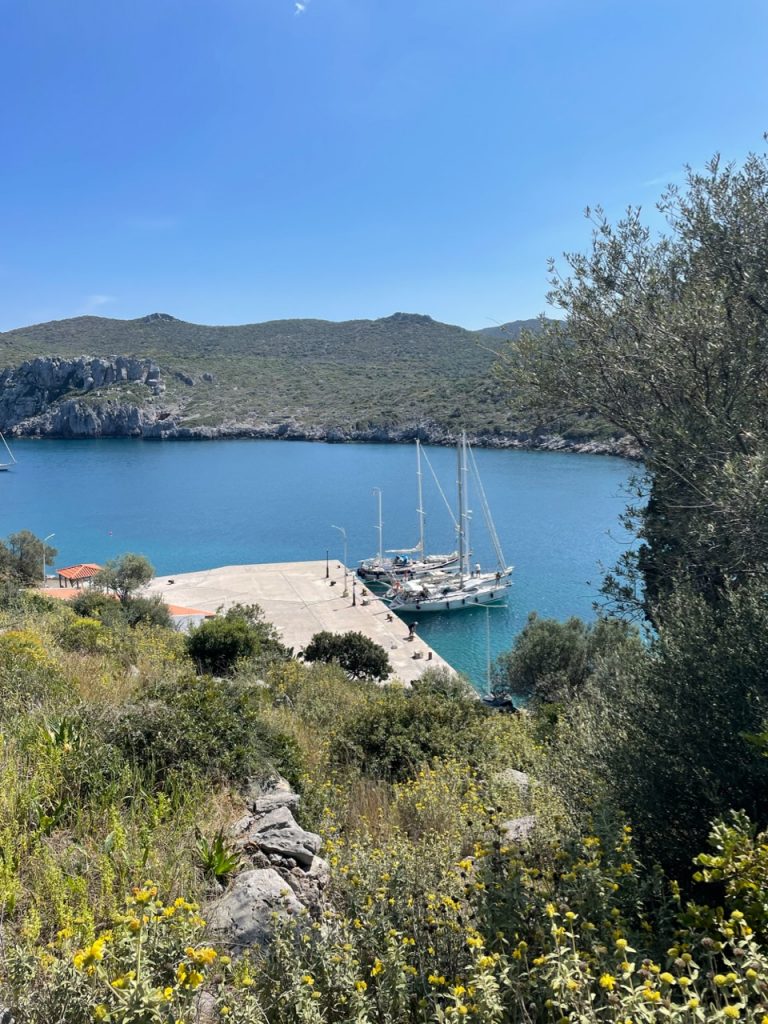
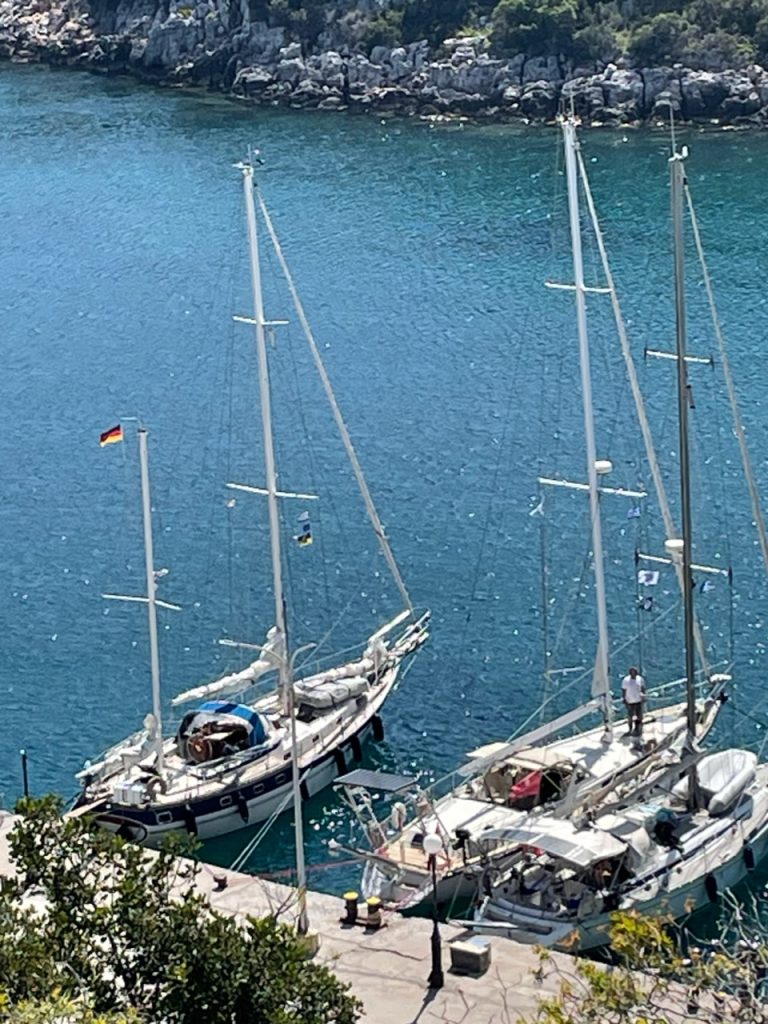
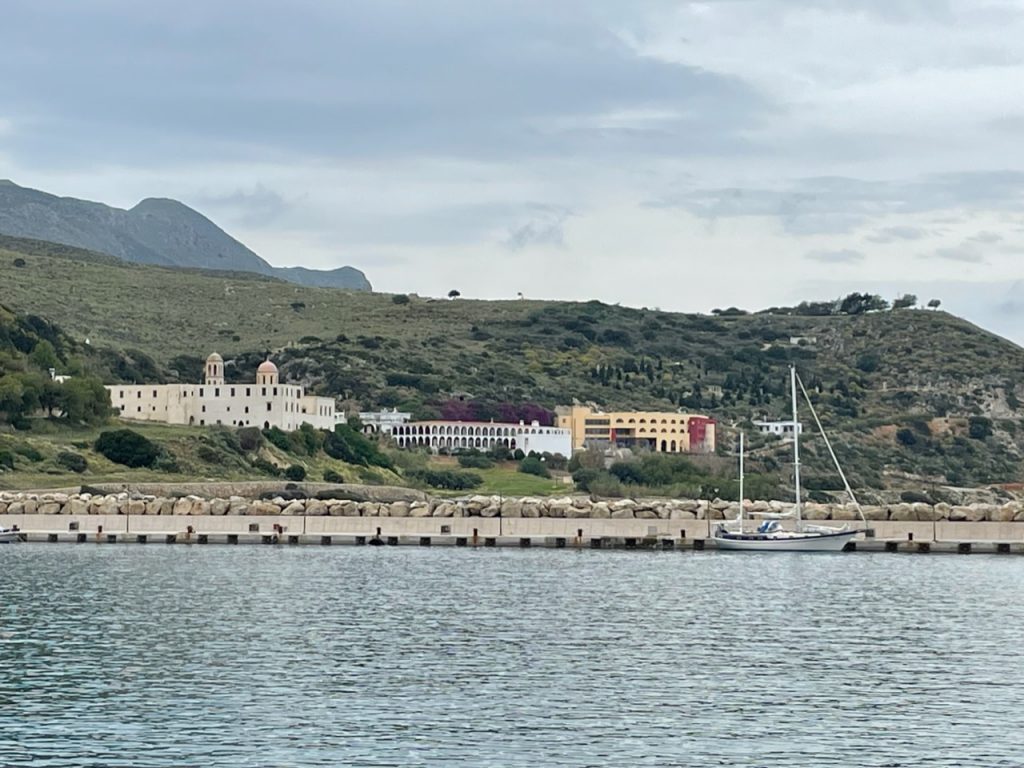
In Kolymbari in the very west of the bay of Chania nearly in front of Gonia Monastery we found a good place at the pier. A marina is to be built here, but hardly anything is noticeable of it yet. A well protected place, but no electricity and water at the pier. For us a good place to explore the west of Crete a bit. Nobody asks how long we want to stay here with our boat. The locals we get into conversation with think it's good that we live on our boat. "You guys are doing it just right. Enjoy!" This warm friendliness is so nice!

Pictures of Gonia Monastery:

[ngg src="galleries" ids="53" display="basic_slideshow"]

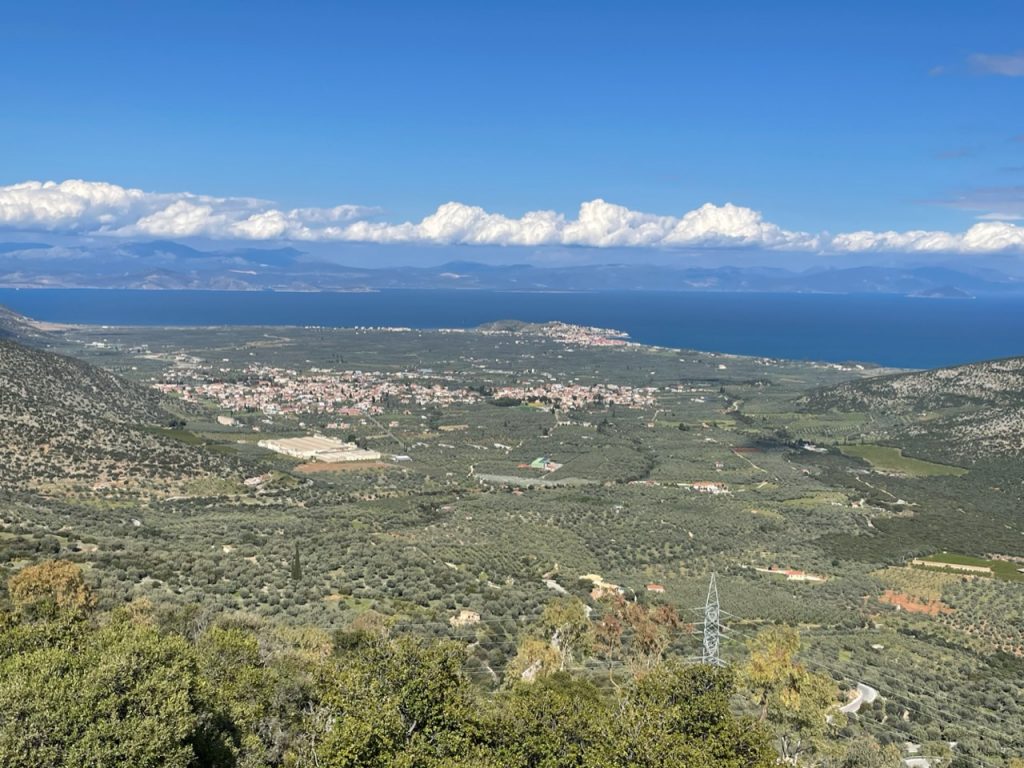
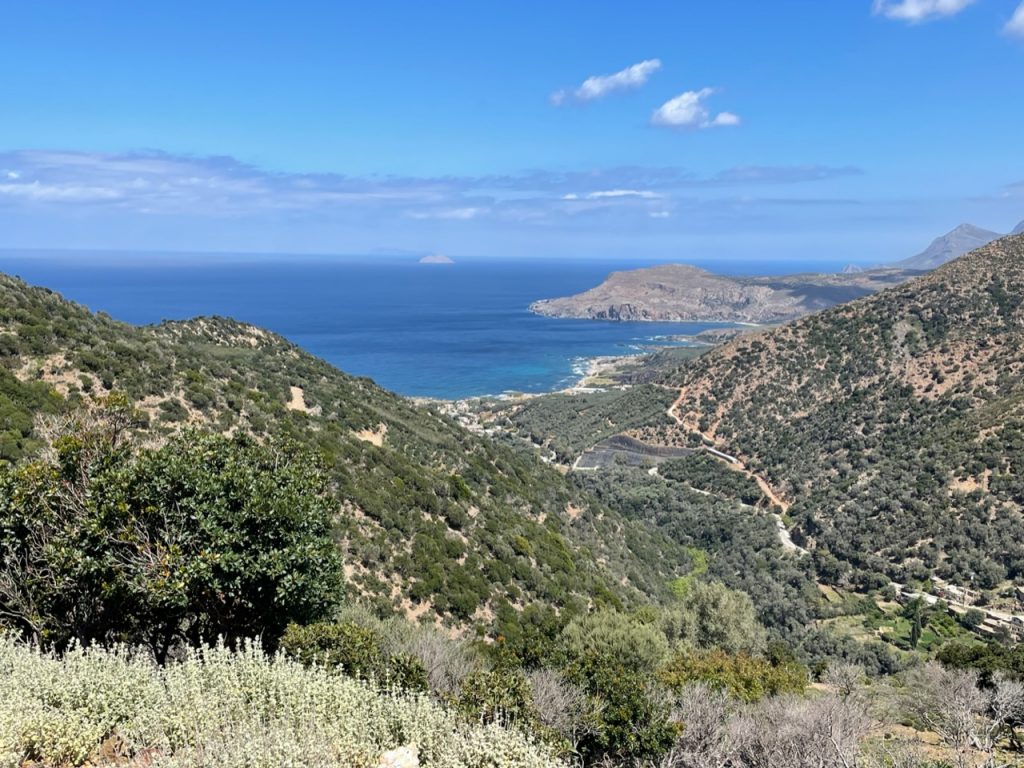
After all, there is so much to see here: the mountains, the green hills with the many olive trees and the avocado plantations, gorges, spectacular coastline, impressive monasteries and Chania with the beautiful Venetian harbour and the touristy alleys of the old town. We could have moored here as well. But at the harbour in Chania it is noisy, during the day masses of tourists, at night the soldiers of the Greek Navy and the southernmost NATO base in Europe and the students of the University of Chania celebrate here. We visit Chania quite relaxed by bus and notice that even in April there are quite a few tourists, mainly package tourists from the hotels on the north coast. 

Pictures of Chania:

[ngg src="galleries" ids="54" display="basic_slideshow"]

And in the evening we are back on our boat. Everything is quiet, we look into the stars and over to the monastery of Gonia. 

We hike up the mountainous peninsula of Rodopou in fierce gusts of wind. With a rented car we explore the west coast of Crete: the bay of Kissamos, Falassarna with a view of Gramvousa, the monastery of Chrisoskalitissa and the Caribbean beach of Elafonisos. Gisela was here 46 years ago - by bus and on foot. At that time there was nothing here. It is interesting to see what kind of tourist infrastructure has been built in the meantime, fortunately no multi-story hotel buildings so far. But at the moment it is still the pre-season. And nevertheless, although it is not yet bathing weather, there are already quite a few tourists here. In the high season, there are supposed to be 4-5 thousand tourists a day. Unimaginable for us. The infrastructure is far from sufficient. On the washed up flatland in front of the steep rugged coast, vegetables are grown on a large scale, including bananas.

Pictures of Chrissoskalitissa:

[ngg src="galleries" ids="55" display="basic_slideshow"]

Pictures of Elafonisos:

[ngg src="galleries" ids="56" display="basic_slideshow"]

A second trip by car takes us first to Souda, the ferry port of Chania. Here we find in the marine supplies store Drakos what we currently need for our boat. Then we go to the peninsula Agrotiri - densely populated at the beginning. Here is also the airport and the NATO base. But then it becomes wild and rugged. We visit the beautiful monastery Agia Triada and drive on a narrow bumpy road to the monastery Gouverneto. From here there is a path to a cave where a hermit is said to have lived. A farmer shot him because he mistook him for a bear. Steeply the path then goes down through a gorge to the abandoned monastery of Agia Katholiko. We do not walk all the way down, since we are already a little late. A problem with the cooling of our rental car had delayed us a bit. But: spectacular the wild gorge and the view to the sea. And impressive the monument to the Greek partisans killed against the German occupation of Crete in 1941. A large stone made of quartz. What the German Wehrmacht did here and in many other places on Crete: Here we can only bow our heads, linger in silence and rejoice that the people here are always so friendly and helpful to us.

Pictures of Akrotiri:

[ngg src="galleries" ids="59" display="basic_slideshow"]

In the harbour of Kolymbari we observe the preparations for the beginning of the season. The excursion boats are being made fit. The cats, some of which starved to death during the winter, are eagerly waiting for the guests in the tavernas to drop something from their plates under the table. And talking to the man from the diving center, we hear once again that the weather conditions are changing, becoming more unpredictable. He has already thought about selling his boat.

Arrive, stay and get to know - good that we have time!

More pictures of Western Crete:

[ngg src="galleries" ids="58" display="basic_slideshow"]
In Kolymbari ganz im Westen der Bucht von Chania direkt neben dem Kloster Gonia haben wir einen guten Platz an der Pier gefunden. Hier soll eine Marina entstehen, aber davon ist noch kaum etwas wahrnehmbar. Ein gut geschützter Platz, aber kein Strom und Wasser an der Pier. Für uns ein guter Platz, um den Westen von Kreta ein bisschen zu erkunden. Niemand fragt, wie lange wir hier mit unserem Boot liegen wollen. Die Einheimischen, mit denen wir ins Gespräch kommen, finden es gut, dass wir auf unserem Boot leben. “Ihr macht es genau richtig. Enjoy!” Diese herzliche Freundlichkeit ist so schön!

Bilder vom Kloster Gonia:

[ngg src="galleries" ids="53" display="basic_slideshow"]

Hier gibt es ja so viel zu sehen: die Berge, die grünen Hügel mit den vielen Olivenbäumen und den Avocado-Plantagen, Schluchten, spektakuläre Küste, beeindruckende Klöster und Chania mit dem schönen venezianischen  Hafen und den touristischen Gassen der Altstadt. Hier hätten wir auch festmachen können. Aber am Hafen in Chania ist es laut, tagsüber Massen von Touristen, nachts feiern hier die Soldaten der griechischen Marine und des südlichsten Nato-Stützpunktes Europas und die Studenten der Uni Chania. Wir besuchen Chania ganz entspannt mit dem Bus und stellen fest, dass es auch schon im April nicht wenige Touristen gibt, hauptsächlich Pauschalreisende aus den Hotels an der Nordküste.

Bilder von Chania:

[ngg src="galleries" ids="54" display="basic_slideshow"]

Und am Abend sind wir wieder auf unserem Boot. Alles ist ruhig, wir blicken in die Sterne und hinüber zum Kloster Gonia. 

Wir wandern bei heftigen Windböen auf die bergige Halbinsel Rodopou, mit einem Leihauto erkunden wir die Westküste von Kreta: die Bucht von Kissamos, Falassarna mit Blick auf Gramvousa, das Kloster Chrisoskalitissa und den karibischen Strand von Elafonisos. Gisela war vor 46 Jahren schon mal hier - mit Bussen und zu Fuß. Damals gab es hier noch nichts. Interessant, was inzwischen alles an touristischer Infrastruktur entstanden ist, zum Glück bisher keine mehrstöckigen Hotelbauten. Aber zurzeit ist noch die Vorsaison. Und trotzdem, obwohl noch kein Badewetter ist, sind schon recht viele Touristen hier. In der Hauptsaison sollen hier täglich 4-5tausend Touristen unterwegs sein. Unvorstellbar für uns. Dafür reicht die Infrastruktur bei Weitem nicht. Auf dem angeschwemmten Flachland vor der steilen schroffen Küste wird großflächig Gemüse angebaut, auch Bananen.

Bilder vom Kloster Chrissoskalitissa:

[ngg src="galleries" ids="55" display="basic_slideshow"]

Bilder von Elafonisos:

[ngg src="galleries" ids="56" display="basic_slideshow"]

Ein zweiter Ausflug mit dem Auto bringt uns zuerst nach Souda, den Fährhafen von Chania. Hier finden wir im Marine Supplies-Shop Drakos, was wir aktuell für unser Boot brauchen. Dann geht’s auf die Halbinsel Agrotiri - am Anfang dicht besiedelt. Hier befindet sich auch der Flughafen und der Nato-Stützpunkt. Aber dann wird es wild und schroff. Wir besuchen das schöne Kloster Agia Triada und fahren auf einer schmalen holperigen Straße zum Kloster Gouverneto. Von hier aus gibt es einen Weg zu einer Höhle, in der ein Eremit gelebt haben soll. Ein Bauer hat ihn erschossen, weil er ihn für einen Bären gehalten hat. Steil geht der Pfad dann hinunter durch eine Schlucht zum verlassenen Kloster Agia Katholiko. Wir laufen nicht ganz bis hinunter, da wir schon etwas spät dran sind. Ein Problem mit der Kühlung unseres Leihautos hatte uns etwas aufgehalten. Aber: spektakulär die wilde Schlucht und der Ausblick aufs Meer. Und beeindruckend das Denkmal für die getöteten griechischen Partisanen gegen die deutsche Besatzung Kretas 1941. Ein großer Stein aus Quarz. Was die Deutsche Wehrmacht hier und an vielen anderen Orten auf Kreta verbrochen hat: Da können wir nur den Kopf senken, still verweilen und uns freuen, dass die Menschen hier immer so freundlich und hilfsbreit zu uns sind.

Bilder von Akrotiri:

[ngg src="galleries" ids="59" display="basic_slideshow"]

Im Hafen von Kolymbari beobachten wir die Vorbereitungen für den Saisonbeginn. Die Ausflugsboote werden fit gemacht. Die Katzen, von denen im Winter ein Teil verhungert ist, warten sehnlichst auf die Gäste in den Tavernas, die ihnen etwas vom Teller unter den Tisch fallen lassen.    Und im Gespräch mit dem Mann vom Diving Center hören wir wieder einmal, dass sich die Wetterbedingungen verändern, unberechenbarer werden. Er hat schon überlegt, ob er sein Boot verkaufen soll.

Ankommen, bleiben und kennenlernen - gut, dass wir Zeit haben!

Weitere Bilder vom Westen Kretas:

[ngg src="galleries" ids="58" display="basic_slideshow"]
Wir hatten immer wieder hin und her überlegt, ob wir nach Kreta segeln sollen. Es ist eine sehr interessante Insel und wir haben Freunde, die dort leben. Von der Peleponnes geht das in zwei langen Etappen. Die Windverhältnisse in Kreta sind anspruchsvoll und die sicheren Häfen und Ankerplätze rar. Hin kommt man meist ganz gut, aber zurück gilt es oft, gegen den vorherrschenden Nordwind, der als Meltemi recht stark auf die Nordseite Kretas bläst, anzukreuzen. “Kreta ist ein Windloch, da fahre ich nicht mit meinem Boot hin, sondern mit der Fähre”, sagte uns ein Bootsnachbar in Astros, der auf seinem Katamaran ganzjährig unterwegs ist. Wir haben es jetzt trotzdem gemacht, uns ein Wetterfenster ausgeguckt.

Vor drei Tagen haben wir die Leinen in Monemvasia losgemacht, Kurs auf das für seine chaotischen Starkwinde berüchtigte Kap Maleas genommen. Da war es eher ruhig, wie auch in der Passage zwischen der Peloponnes und der Insel Kythira. Hier gilt es, auf die Berufsschiffahrt zu achten. Unser Tiefenmesser hat die Nähe zu einem Frachter nicht so gut vertragen und keine korrekte Tiefe mehr angegeben. Beim Versuch eines Resets hat er sich dann ganz verabschiedet. Also weiter ohne Tiefenmesser und verschärftes Navigieren mit Navionics. Da konnte eine leichte Unruhe, vor allem bei der Einfahrt in die Ankerbucht Avlemonas auf der Insel Kythira und beim Ankern nicht ausbleiben. Hat aber gut geklappt und wir hatten in der schönen großen Bucht vor dem langen Sandstrand ganz alleine eine relativ ruhige Nacht. Und ein schönes Morgenrot beim Kaffee vor dem Ankeraufholen.

Auf der nächsten Insel auf dem Weg nach Kreta, auf Antikythira, gibt es keine geschützen Buchten zum Übernachten und der einzige Hafen ist sehr klein. Wenn da die 96 Meter lange Fähre wendet, gibt es viel Schwell. Muss nicht sein. Wir entschlossen uns also für den langen Schlag von 56 Seemeilen direkt nach Kreta in die Bucht von Chania. Nach dem schönen Morgenrot dann bewölkter Himmel, kalter Wind mal aus Ost, dann aus West, dann zu wenig zum Segeln. Und auf dem Meer um uns herum kein anderes Schiff oder Boot in Sicht. Ein Gefühl wie am Ende der Welt, hätten wir nicht die schneebedeckten hohen Berge von Kreta bald vor Augen und wüssten: Da wollen wir hin.

Unseren Zielhafen Kolimvari (ganz im Westen in der Bucht von Chania) erreichten wir dann ganz entspannt auch ohne unseren Tiefenmesser. Ursprünglich ein reiner Fischerhafen, wird hier seit einiger Zeit - auch mit EU-Geldern - gebaut. Eine Marina soll entstehen. Davon ist noch nicht viel zu sehen. Kein Wasser und Strom, dafür aber viel Platz. Wir sind das einzige Gastboot. Also Leinen raus und festgemacht. Kreta begrüßt uns mit Wolken und Regen. Kalispera Kriti!

We had been thinking back and forth about sailing to Crete. It is a very interesting island and we have friends who live there. From the Peleponnes it is two long trips. The wind conditions in Crete are demanding and the safe harbours and anchorages are rare. To Crete you usually get quite well, but back you often have to cross against the prevailing north wind, which blows quite strongly as Meltemi on the north side of Crete. "Crete is a wind hole, I don't go there with my boat, but with the ferry", told us a boat neighbour in Astros, who is sailing with his catamaran all year round. We did it now anyway, looking out for a weather window.

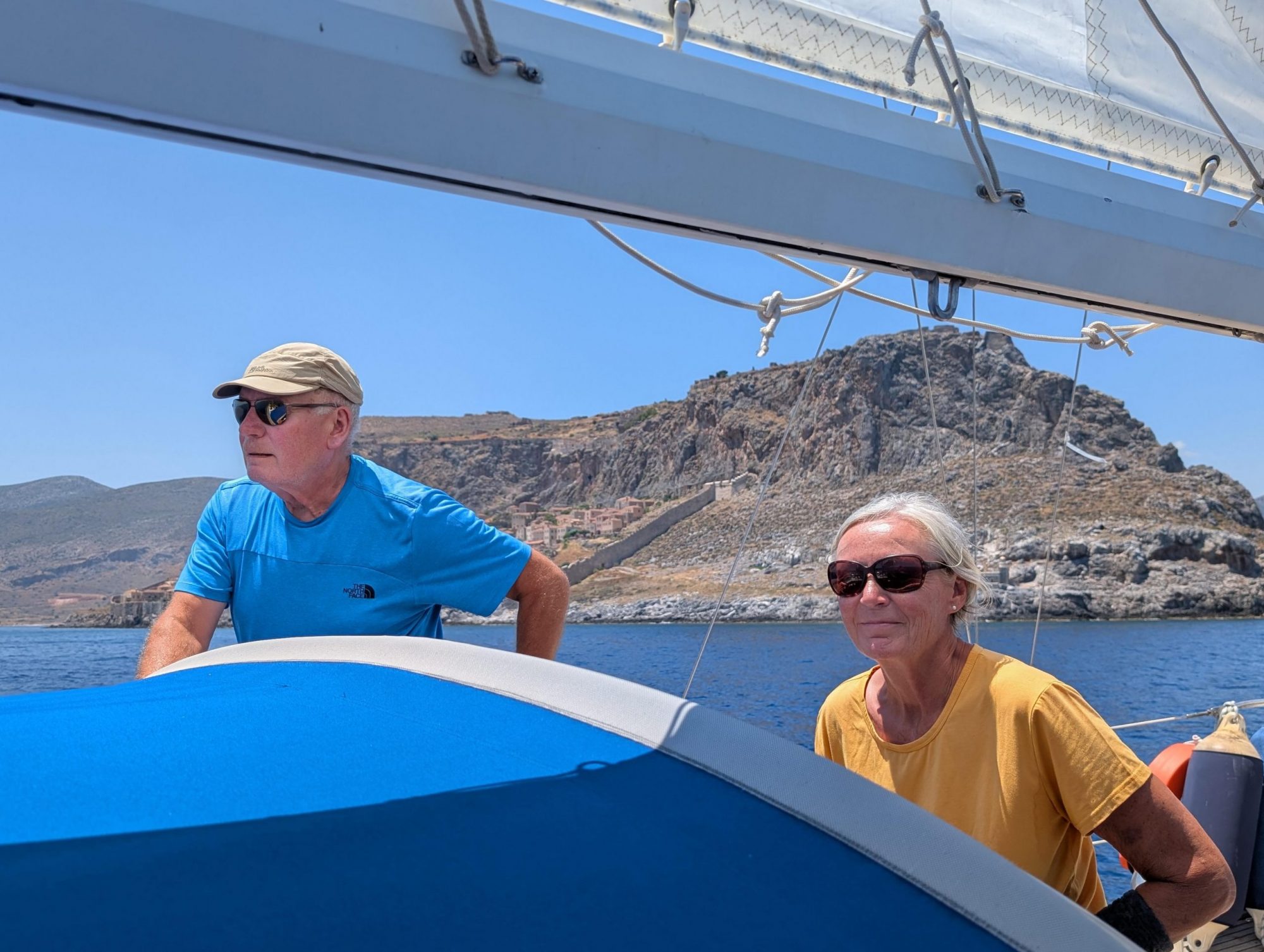
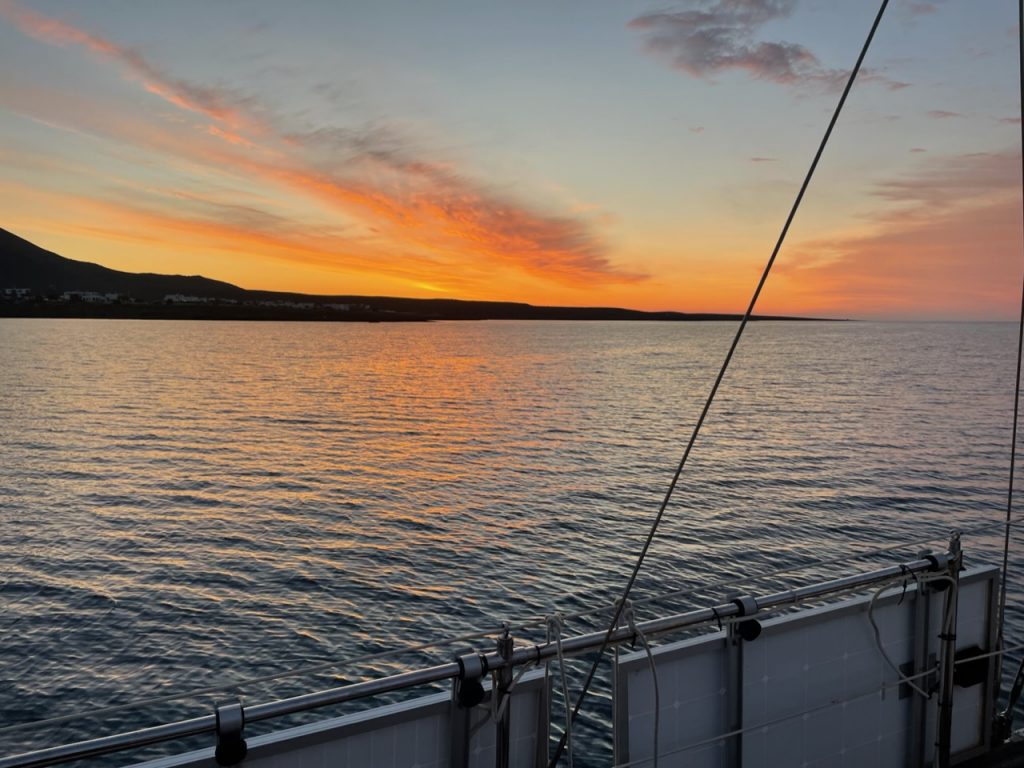
Three days ago we cast off our ropes in Monemvasia and set course for Cape Maleas, which is well known for its chaotic strong winds. There it was rather calm, as also in the passage between the Peloponnese and the island of Kythira. Here it is important to watch out for commercial shipping. Our depth gauge did not tolerate the proximity to a freighter very well and did not give a correct depth anymore. With the attempt of a reset it has said goodbye then completely. So further without depth gauge and tightened navigating with Navionics. There a slight restlessness, especially when entering the anchorage Avlemonas on the island of Kythira and when anchoring could not stay away. But it worked out well and we had a relatively quiet night in the beautiful large bay in front of the long sandy beach all alone. And a nice morning red with the coffee before leaving.

On the next island on the way to Crete, on Antikythira, there are no sheltered bays to spend the night and the only port is very small. When the 96 meter long ferry turns, there is a lot of swell. It does not have to be. So we decided to take the long way of 56 nautical miles directly to Crete into the bay of Chania. After the beautiful morning red then cloudy sky, cold wind sometimes from the east, then from the west, then too little to sail. And on the sea around us no other ship or boat in sight. A feeling like at the end of the world, if we had not seen the snow-covered high mountains of Crete soon and would know: There we want to go.

We reached our destination Port Kolimvari (in the very west in the bay of Chania) quite relaxed even without our depth gauge. Originally a pure fishing port, there are works going on - also with EU funds. A marina is to be built. There is not much to see yet. No water and electricity, but plenty of space. We are the only guest boat. So ropes out and moored. Crete welcomes us with clouds and rain. Kalispera Kriti!

Astros has pleased us again, but then we cast off on April 11, although the wind continues to blow from southern directions. We want to sail along the coast 30 nautical miles into the bay of Kiparissi. One third of the distance we can actually sail nicely. Then again the engine. This time we anchor on the north side of the bay surrounded by high mountains. At the small pier in the village, where we had already moored twice in the last years, we suspect swell. Good choice! We spent a nice evening and a quiet night in this beautiful scenery.

The next day we continue 13 nautical miles, into the Gulf of Gerakas, which we can see much better coming from the north than during our visit last year, when we approached from the south. With two other boats we are anchored in front of bow anchor with the stern to the pier. All nice and calm. But in the afternoon the wind suddenly blows with gusts of almost 40 knots from the valley onto our boats. The anchor of the neighboring boat slips. We are moored, but all bring out long springs to secure their boats. In the evening the gusts are over.

The next morning we continue. Destination Monemvasia. But first we have some stress, because our anchor winch does not work. 60 meters of chain to haul in by hand. Oh dear! But fortunately it works electrically. The next day we clean the contacts in the archaic system our boat has and dream of a remote control operated via Bluetooth. But: all is well again after we crawl into the anchor locker in Monemvasia.

Monemvasia! Here we were last year also in April, experienced a storm with dangerous breakers in port. And last year in October it was the first port in the Peloponnese that we called at on our way back from the Aegean.

The crane is still in the harbor, they poured concrete for the new marina. But it will probably take another two years until everything is finished. The floodlights on the pier are already in place. We wouldn't have needed them. We prefer to look at the stars. Only a few sailboats are moored here these days. But there are many motor homes. How will it be in summer? There is no infrastructure for this kind of mass tourism. But it would be a good source of income for the municipality.

We experienced the Greek Easter (one week later than at home) here. Greek Orthodox, the highest festival in the annual calendar.  Above all, a festival of families celebrating with friends and neighbours. Church service, procession, at midnight on Easter Sunday the churches open, everyone lights their Easter candle, greets each other and wishes each other a happy Easter. Large balloons with candles inside rise into the air and are driven out to sea by the wind. And then everybody celebrates and eats, because before that it was Lent: at night the ragout from the lamb, red colored Easter eggs are diced, Easter cakes, and on Easter Sunday there's lamb on the spit. That's how we experienced it in Monemvasia. Beautiful and impressive, especially the social gathering of families and friends. 

[ngg src="galleries" ids="51" display="basic_slideshow"]

Now Easter is over. We walked here again beautifully through the sea of flowers and rocks. Now we look south to Cape Maleas. Past it we want to sail with favourable wind along Kythira and Anti-Kythira to Crete.

Astros hat uns wieder gut gefallen, aber dann haben wir doch am 11. April die Leinen los gemacht, obwohl der Wind weiterhin aus südlichen Richtungen weht. Wir wollen entlang der Küste 30 Seemmeilen in die Bucht von Kiparissi. Ein Drittel der Strecke können wir tatsächlich schön segeln. Dann doch wieder der Motor. Dieses Mal ankern wir auf der Nordseite der von hohen Bergen umgebenen Bucht. An der kleinen Pier im Ort, an der wir schon zweimal in den letzten Jahren gelegen hatten, vermuten wir Schwell. Gute Wahl! Wir haben in dieser wunderschönen Szenerie einen schönen Abend und eine ruhige Nacht verbracht.

Am nächsten Tag geht’s weiter 13 Seemeilen, hinein in den Golf von Gerakas, den wir von Norden kommend viel besser erkennen können als bei unserem Besuch im letzten Jahr, als wir uns von Süden näherten. Mit zwei anderen Booten liegen wir vor Buganker mit dem Heck zur Pier. Alles schön ruhig. Aber am Nachmittag bläst der Wind plötzlich mit Böen von knapp 40 Knoten aus dem Tal auf unsere Boote. Beim Nachbarboot rutscht der Anker. Wir liegen fest, aber alle bringen lange Springs aus, um ihre Boote zu sicheren. Am Abend ist’s vorbei mit den Böen.

Am nächsten Vormittag geht’s weiter. Ziel Monemvasia. Aber zuerst haben wir etwas Stress, weil unsere Ankerwinsch nicht arbeitet. 60 Meter Kette per Hand einholen. Oh je! Aber zum Glück klappt es dann doch elektrisch. Am nächsten Tag reinigen wir dann die Kontakte in dem archaischen System, das unser Boot hat, und träumen von einer über Bluetooth betriebenen Fernbedienung. Aber: alles wieder gut, nachdem wir in Monemvasia in den Ankerkasten gekrochen sind.

Monemvasia! Hier waren wir letztes Jahr auch im April, haben einen Sturm mit gefährlichen Brechern in Hafen erlebt. Und letztes Jahr im Oktober war es der erste Hafen auf der Peloponnes, den wir auf dem Rückweg von der Ägäis angelaufen haben.

Der Bagger liegt noch im Hafen, es wurden Betonteile für die neue Marina gegossen. Aber es wird wohl noch zwei Jahre dauern, bis alles fertig ist. Die Flutlichtanlage auf der Pier steht allerdings schon. Die hätten wir nicht gebraucht. Wir gucken lieber in die Sterne. Nur wenige Segelboote machen hier in diesen Tagen fest. Dafür sind aber viele Wohnmobile da. Wie wird das wohl im Sommer sein? Es gibt noch gar keine Infrastruktur für diese Art von Massentourismus. Wäre aber eine gute Einnahmequelle für die Kommune.

Das griechische Osterfest (eine Woche später als zu Hause) haben wir hier erlebt. Griechisch-orthodox, das höchste Fest im Jahreskalender.  Vor allem aber auch ein Fest der Familien, die mit Freunden und Nachbarn feiern. Gottesdienst, Prozession, um Mitternacht zum Ostersonntag gehen die Kirchen auf, alle zünden ihre Osterkerze an, grüßen sich und wünschen sich schöne Ostern. Große Luftballons mit Kerzen innendrin steigen in die Luft und werden vom Wind aufs Meer hinaus getrieben. Und dann wird gefeiert und gegessen, denn vorher war ja Fastenzeit: nachts noch das Ragout aus den Eingeweiden vom Lamm, rot gefärbte Ostereier werden gedischt, Osterkuchen, und am Ostersonntag gibt‘s Lamm vom Spieß. So haben wir es in Monemvasia erlebt. Schön und beeindruckend, vor allem auch das gesellige Zusammensein von Familien und Freunden. 

[ngg src="galleries" ids="51" display="basic_slideshow"]

Jetzt ist Ostern vorbei. Wir sind hier wieder schön durch das Blüten- und Felsenmeer gewandert. Nun schauen wir nach Süden zum Kap Maleas. Daran vorbei wollen wir bei günstigem Wind über Kythira und Anti-Kythira nach Kreta segeln. 

We are not yet on our way south. The weather continues to be quite unsettled and cold with rain. And the wind often blows from the south. So we have not yet made our way south. But almost a week ago we left our anchorage in the bay of Kilada. Our water tanks were empty. We didn't want to fill them with the murky, somewhat salty water of Kilada. So we sailed across the Argolic Gulf to the west and moored in the harbor of Paralio Astros. This is also where we were last year on our way to winter break. And here we have good fresh water from the mountains.

Paralio Astros is a nice little place with the ruins of a castle towering over it. At this time of the year the town has a few hundred inhabitants, in summer it becomes over 10,000. Many Greeks come here for a seaside vacation. And there are people who spend a longer time here every year. So we made a nice acquaintance with Ulrike and Jörg from Berlin. They have an apartment here for years, also work from here at times and know many of their Greek neighbours. They know the town an the environment and could also tell us, where to find good wine, the best olive oil and the most delicious eggs.

From our boat we can look at the Parnon mountains. The highest peak is over 1900m. Last small snow fields we could already make out up there when we arrived. But a few days ago everything was really white there again in the morning. Fresh snow!

The mountains always attract us and we like to hike. So on a dry day we drove 25km into the mountains to the village Platanos. There are waterfalls, caves and chestnut trees. You can hike from here along a creek bed 15km to the sea. However, in the creek there is currently still so much water that the path was not possible. So we hiked back over the mountains - a long tour with great views into the mountains and wide views over the Argolic Gulf.

We also celebrated a bit of Easter here - with delicious strawberries, which are just ripe, and of course with breakfast eggs, which we have not had on board before. Easter decorations are also provided. Karli and Annie (just under four and two years old) blew out eggs at home in Heidelberg with their dad and painted them for our boat. They survived the journey to the boat in one piece. The Greek Easter is coming next weekend.

Now we have been here in the harbour for almost a week and continue to wait for favourable wind and dry weather. Right now it is raining again, but tomorrow it should stay dry and the wind should turn to north.

[ngg src="galleries" ids="50" display="basic_slideshow"]