Willkommen! Dies ist die Website von Gisela und Walter Würfel. Hier berichten wir über die Reisen und das Leben auf unserer Segelyacht Aglaya. / Welcome! This is the website of Gisela and Walter Wuerfel. Here we report about the journeys and the life on our sailing yacht Aglaya.
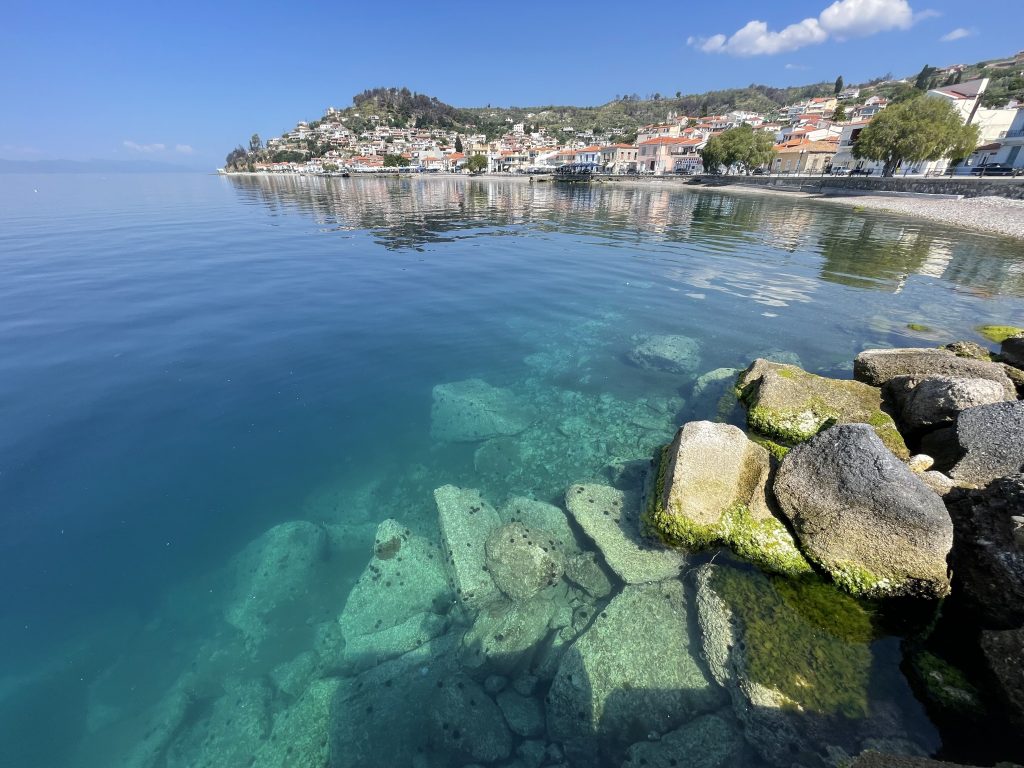
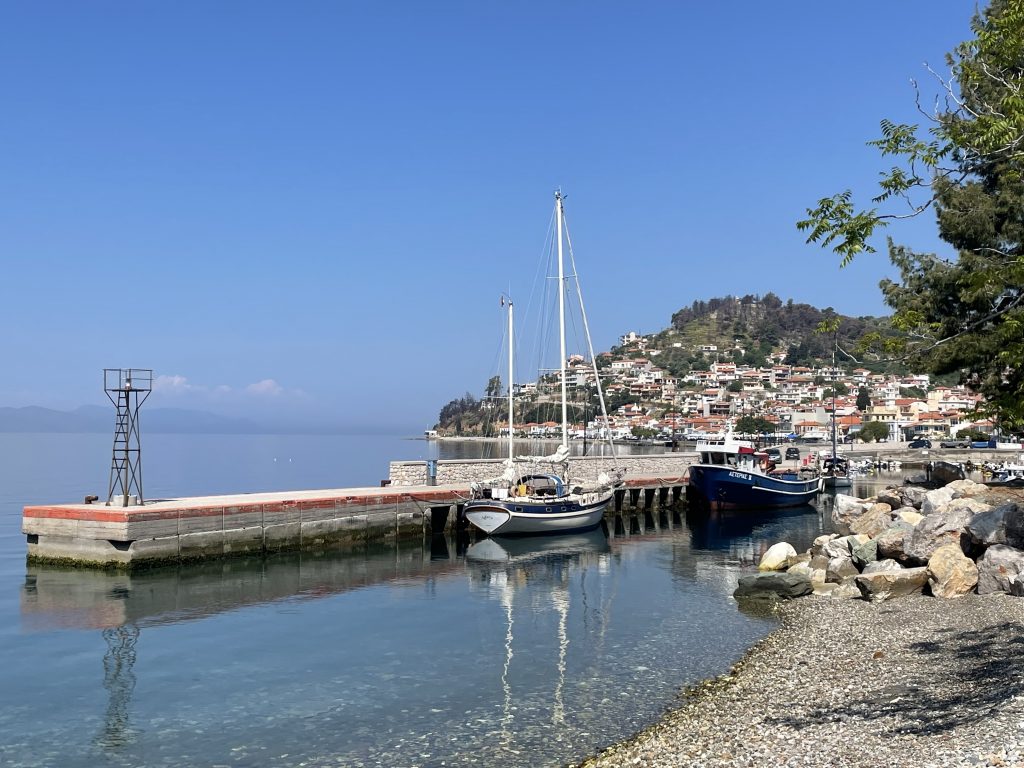
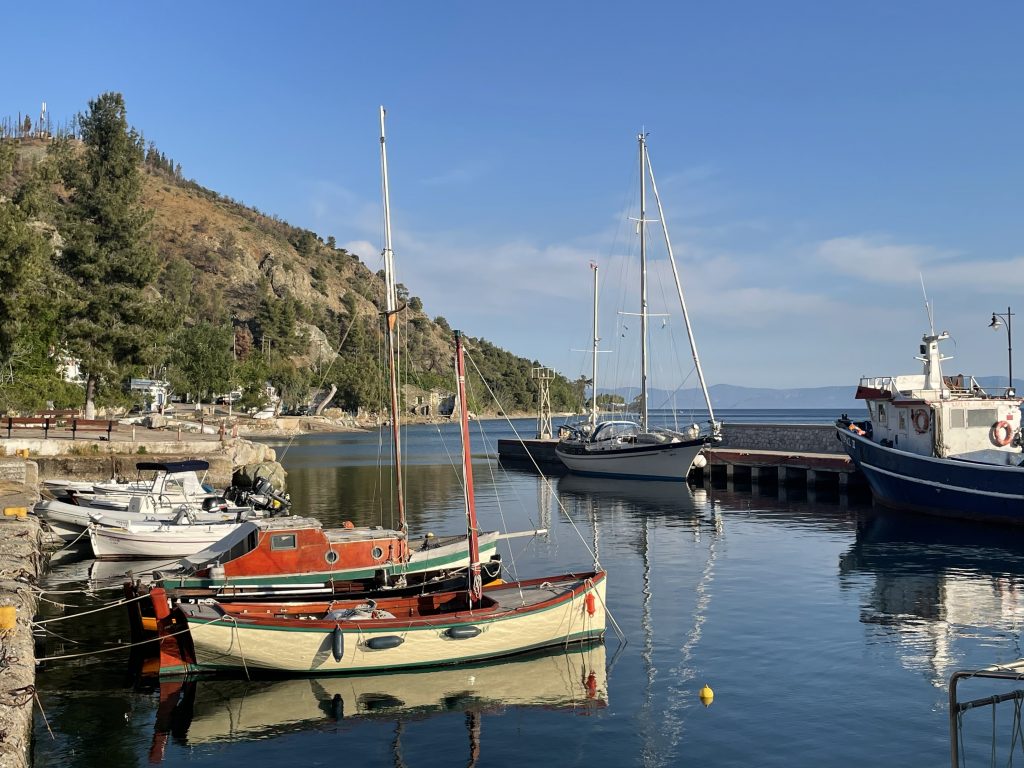
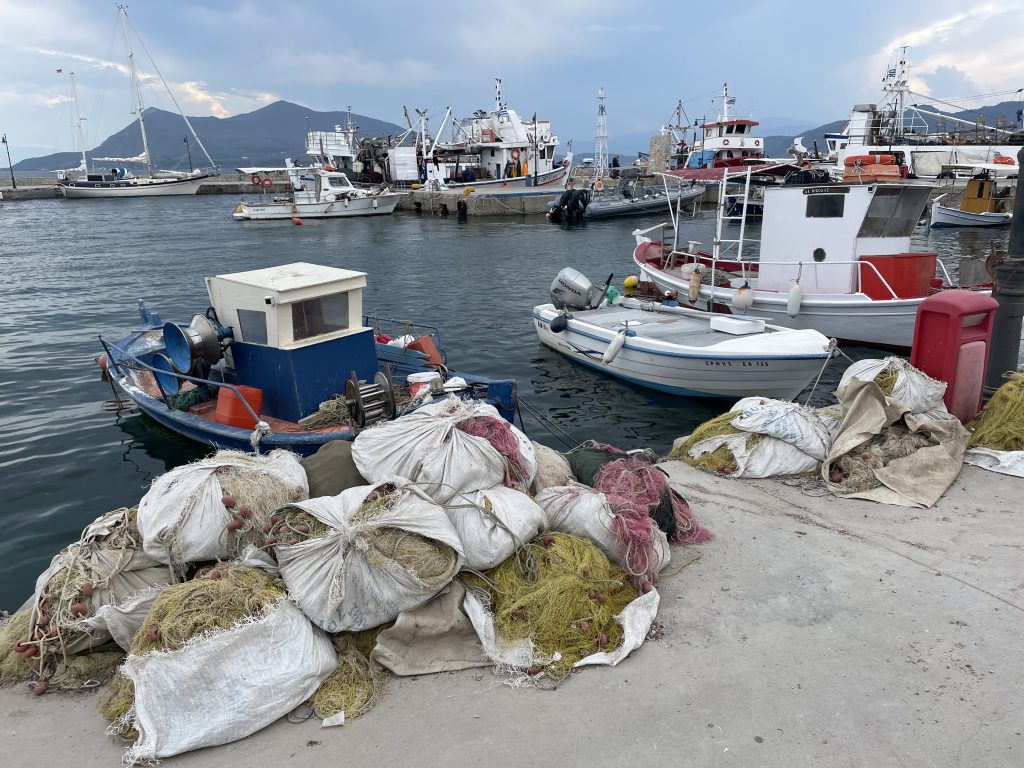
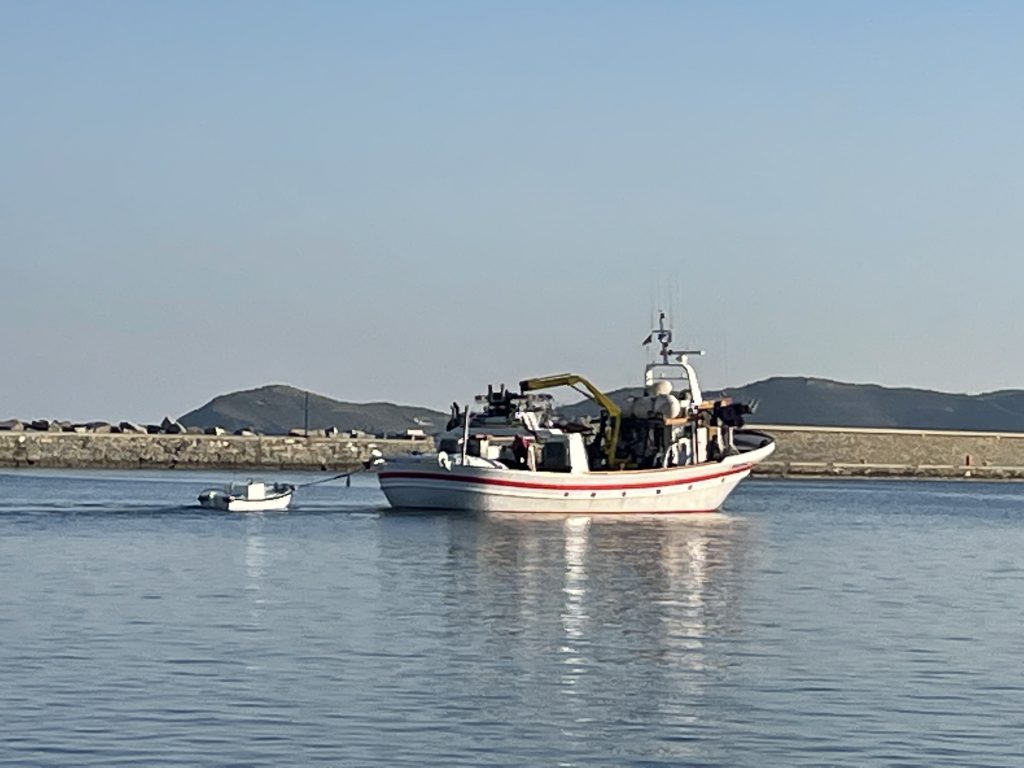
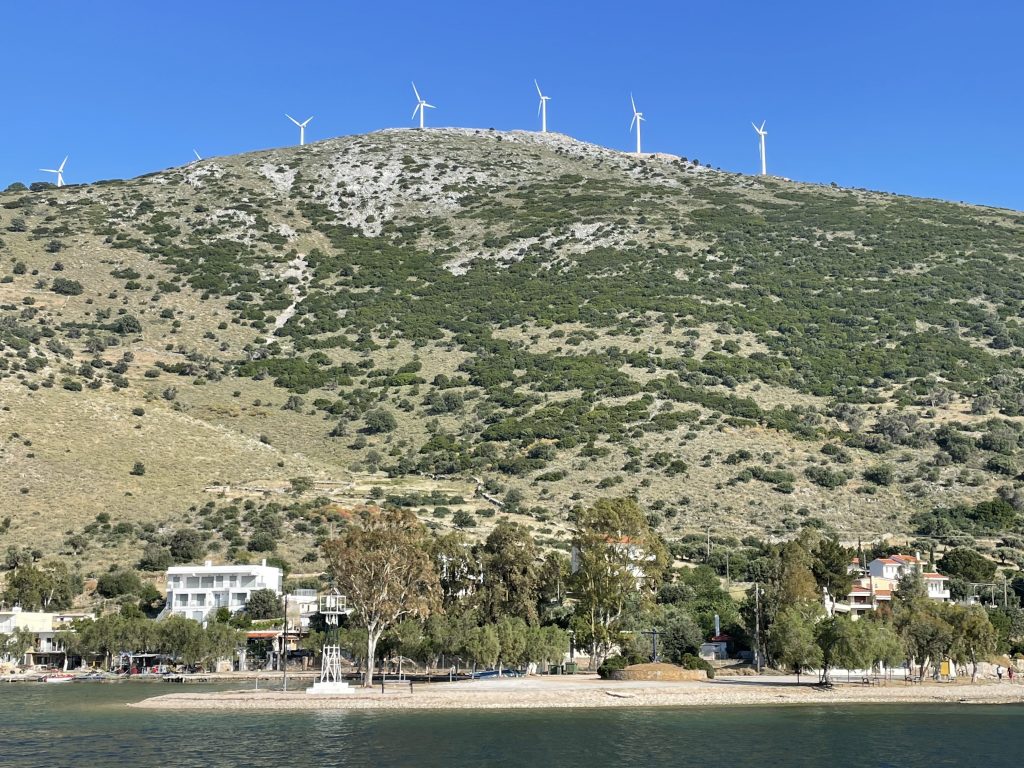
Elymnion: A nice cosy place climbing up the hillside with a small narrow fishing harbour
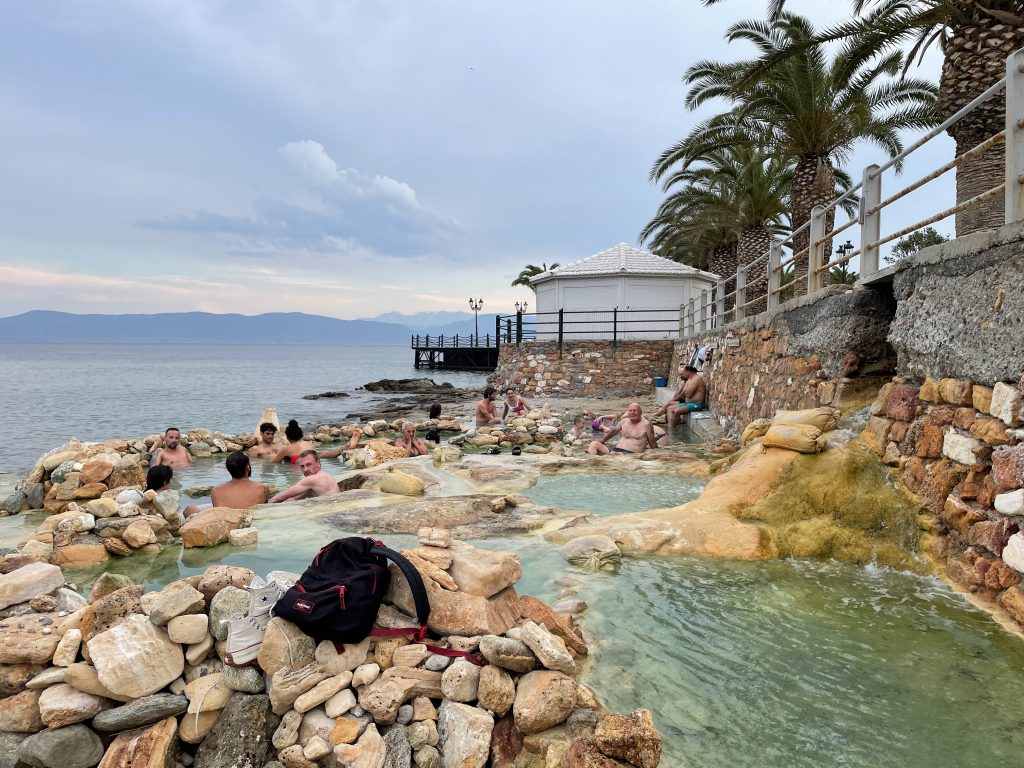
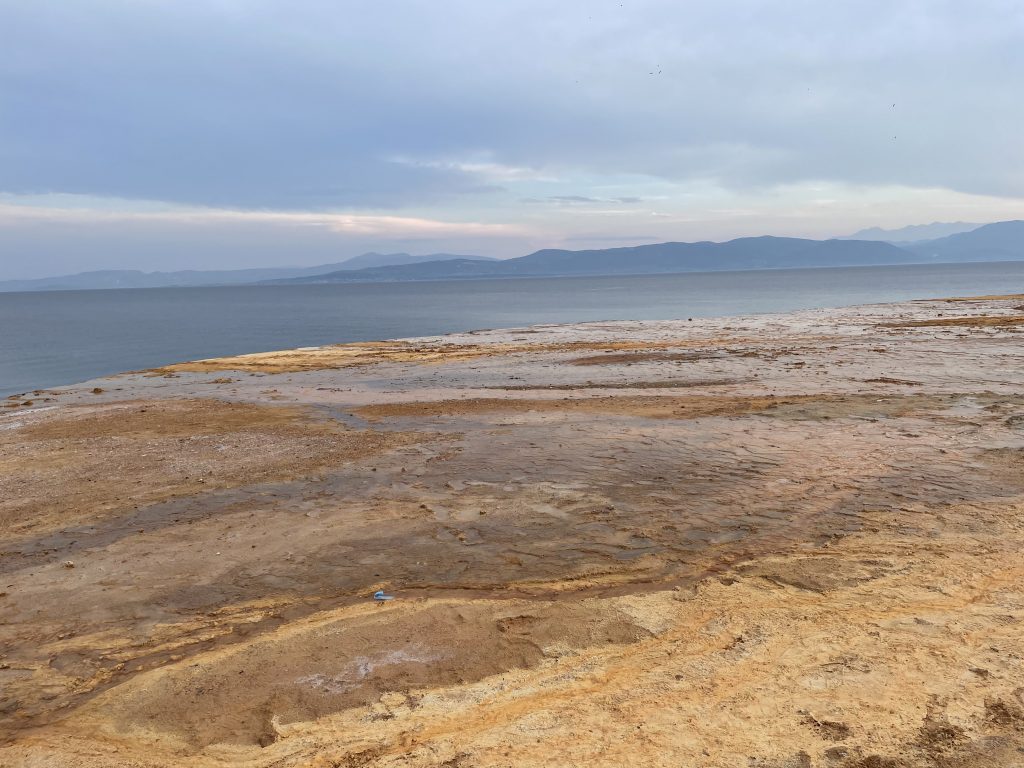
Loutra Aidispou: A spa town with hot springs. Many hotels, but many of them are empty because of the crisis. A bath in the 70 degree hot springs: wonderful. In the harbour we are the only sailing boat.
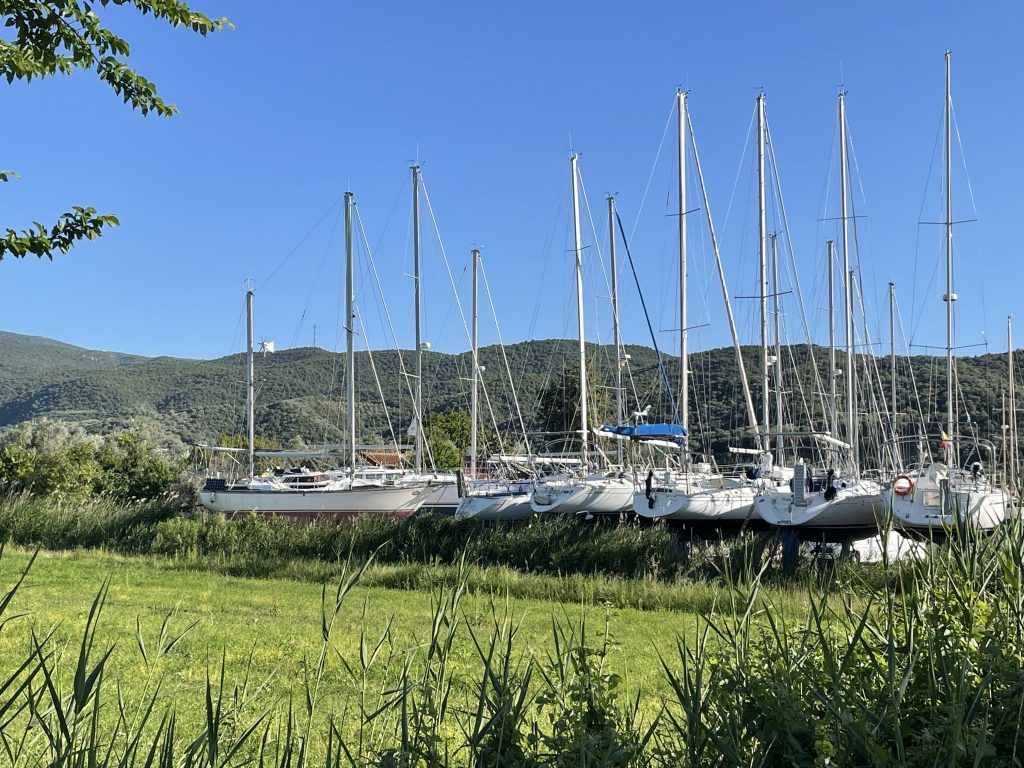
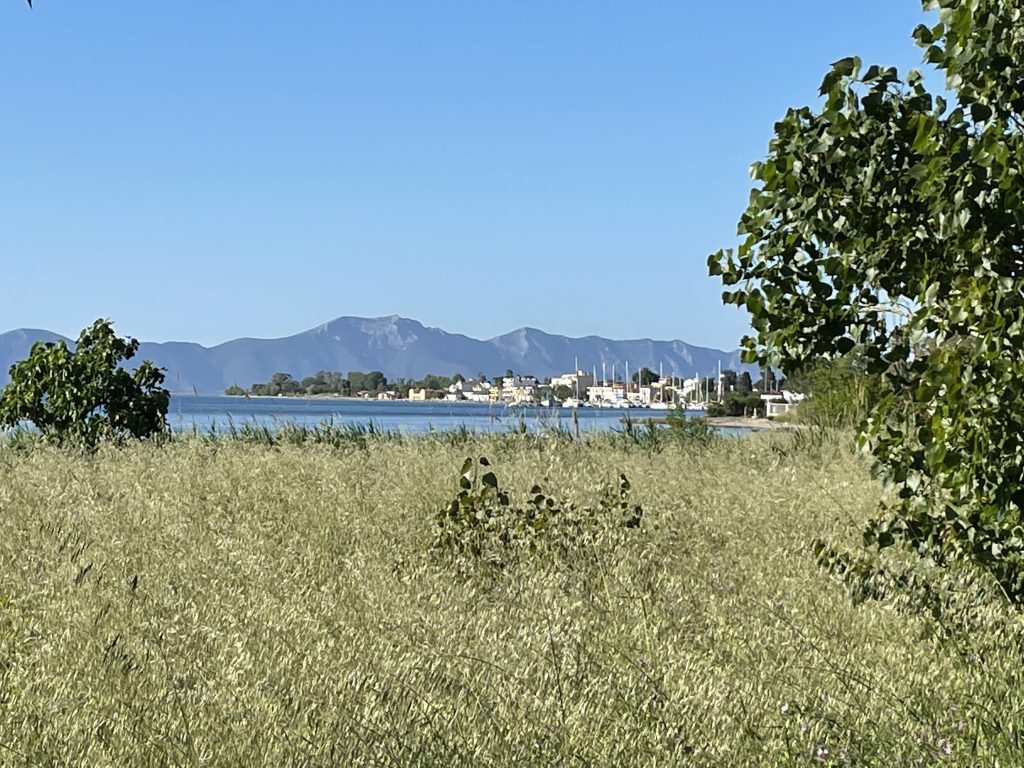
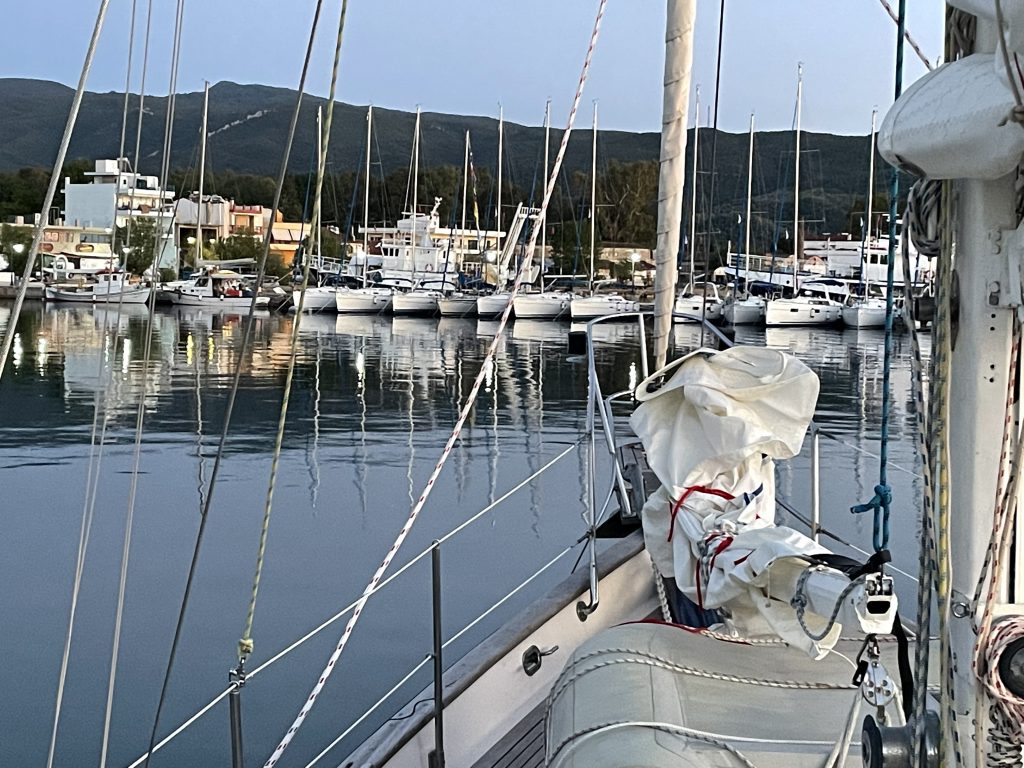
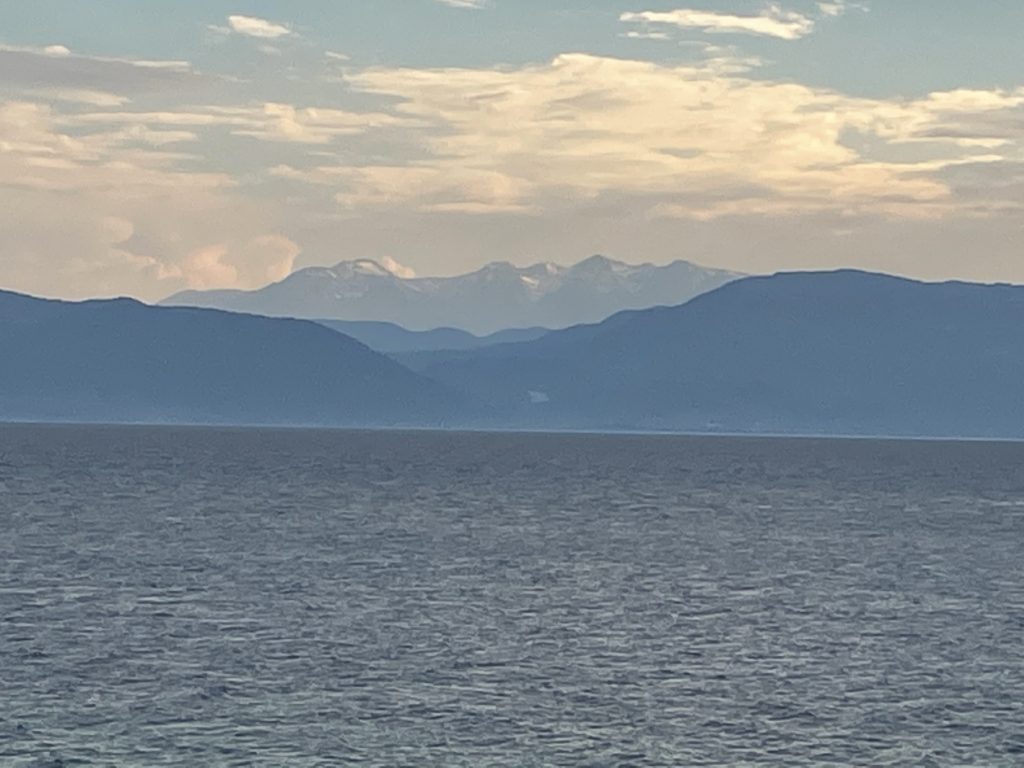
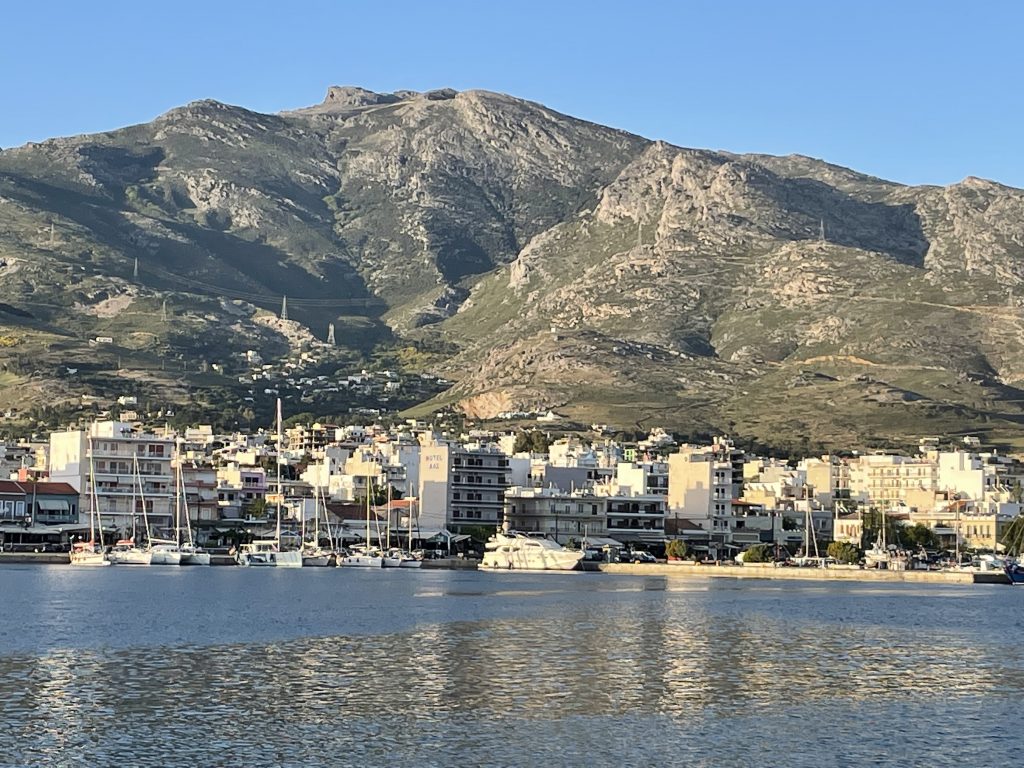
Oreoi: On the north side of the island overlooking the mountains on the mainland. There are many sailors moored here, there is a boatyard and mechanics - fortunately, because we still have dirt in our fuel system. The pump and lines could be cleaned here. At the nice grocer Vassily we get what we need for the pantry and all the information we need.
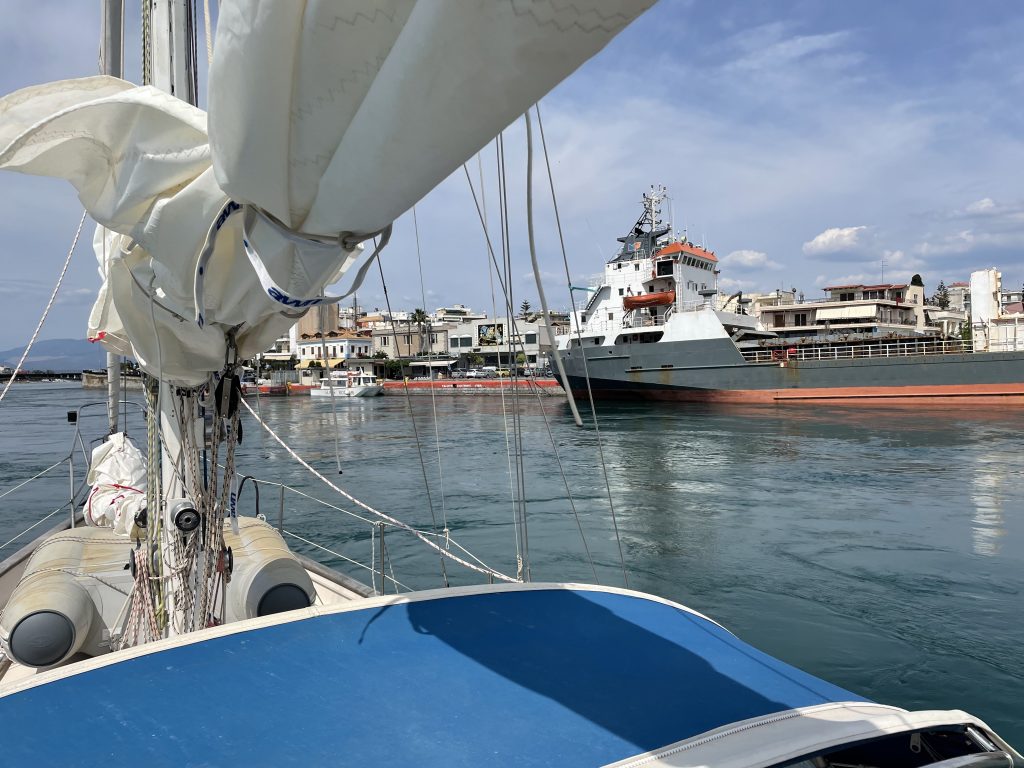
Auf unserem Weg nach Norden passieren wir den Petalischen Golf, zwischen Attika und der Insel Euböa, und dann den südeuböischen Golf. An seinem nördlichen Ende kommt ein etwas schwierig zu navigierendes Gebiet mit vielen Flachs und wenigen Seezeichen, bis wir im südlichen Hafen (einer großen Bucht) von Chalkis sind. Der Ausgleich der Wasserspiegel zwischen südlichem und nördlichem Teil der Meerenge führt zu chaotischen Strömungen und Strudeln, deren Gesetzmäßigkeiten selbst der größte Sohn der Stadt, Aristoteles, nicht herausgefunden hat. Wir wissen, dass wir im Süden vor der Enge warten müssen, für die Durchfahrt die 35€ bezahlen müssen und dann wieder warten, vor Anker, denn die Brücke, über die die Hauptroute von Attika nach Euböa führt, wird erst nachts zwischen zwei und drei Uhr geöffnet. Der Hafenmeister entscheidet, ob Strömung und Wind eine Durchfahrt zulassen. Wir sollen (mit vier anderen Booten) ab 21.00 Uhr auf Standby sein.
Schon die Zufahrt zum Büro am Nachmittag ist eine Herausforderung: Lauter Strudel ums Boot, die Strömung drückt den Bug permanent nach links und rechts, ein richtiges Gekurbel am Rad. Dann liegen wir vor Anker und warten. Über Kanal 12 sollen wir Bescheid bekommen. Griechische Konversation zwischen Frachtschiffen und zaghafte englische Anfragen mit französischem Akzent, wann es denn losgehen könne, lassen auch keine richtige Stimmung aufkommen.
Bis um kurz vor zwei die Meldung kommt, wir sollten uns fertigmachen. Also Ankerlicht aus, Positionslichter an, Motor starten, Anker aufholen. Und in langsamen große Kreisen vor der Brücke warten. Wir kamen wohl etwas nahe: „Aglaya, Aglaya, stay in your Position, there is enough time“ hören wir auf Kanal 12.
Endlich gehts los, um halb drei: Die beiden Brückenhälften schieben sich in die Brückenköpfe, wir fahren mit anderen Booten durch - kein Wind, keine Strömung. „What a nice boat“ ruft uns der Brückenwärter zu. Im Reiseführer steht, die Meerenge wäre 40 Meter breit, wir sind uns sicher: Maximal 25.
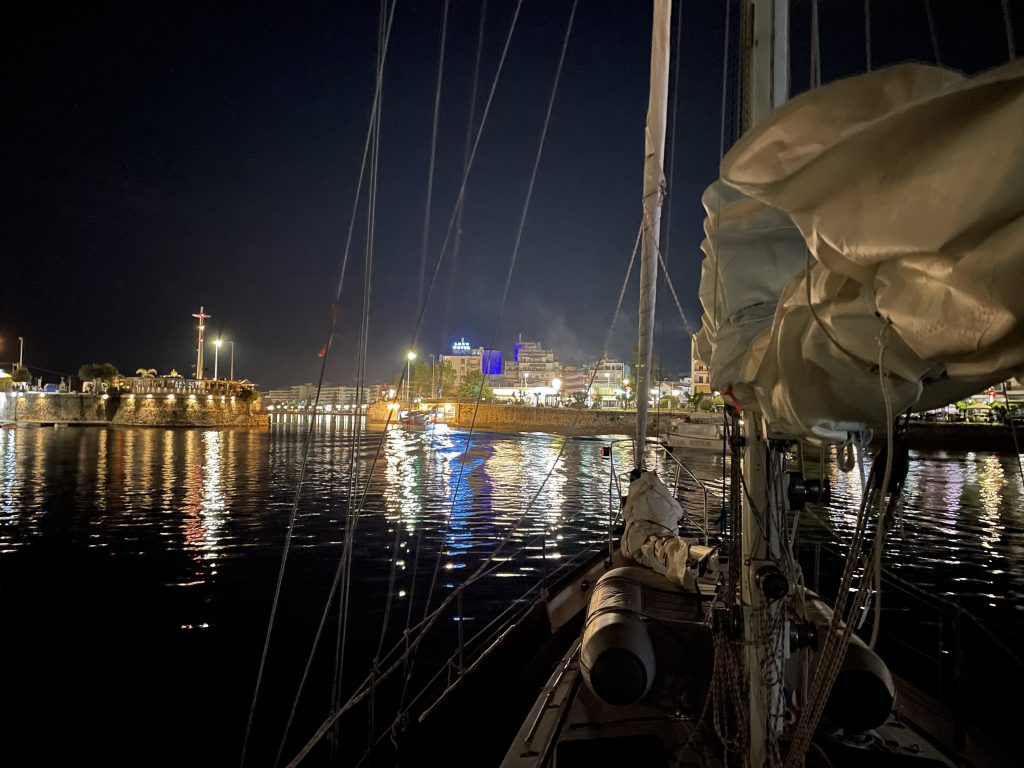
Hinter der Brücke in den stockfinsteren Nordhafen, nach einem rotgrünen beleuchteten Tonnenpaar ist alles nur nur noch schwarz. Einige Lichter und die elektronische Seekarte von navionics helfen uns, eine große flache Ankerbucht zu finden, um kurz vor vier gibts noch ein Ankerbier und dann wird zwecks Ankerwache im Salon geschlafen.
Am nächsten Morgen gehts dann ziemlich müde weiter. Die Sonne scheint, es ist - leider - windstill, das bleibt es auch fast den ganzen Tag.
On our way north we pass the Petalian Gulf, between Attica and the island of Euboea, and then the southern Euboean Gulf. At its northern end comes an area somewhat difficult to navigate, with many flats and few navigation marks until we are in the southern harbour (a large bay) of Chalkis. The equalisation of water levels between the southern and northern parts of the strait leads to chaotic currents and whirlpools, the laws of which even the city's greatest son, Aristotle, could not figure out. We know that we have to wait in front of the strait in the south, pay the 35€ for passage and then wait again, at anchor, because the bridge over which the main route from Attica to Euboea passes only opens at night between two and three o'clock. The harbour master decides whether the current and wind allow passage. We are supposed to be on standby (with four other boats) from 9pm.
Even the approach to the office in the afternoon is a challenge: loud whirlpools around the boat, the current constantly pushing the bow to the left and right, a real cranking at the wheel. Then we lay at anchor and wait. We are to be informed via channel 12. Greek conversation between cargo ships and timid English enquiries with a French accent as to when we could set off did not really create the right mood.
Until shortly before two o'clock we get the message that we should get ready. So anchor light off, position lights on, start the engine, pull up the anchor. And wait in slow big circles in front of the bridge. We must have come a bit close: "Aglaya, Aglaya, stay in your position, there is enough time" we hear on channel 12.
Finally it starts, at half past two: the two halves of the bridge push into the bridgeheads, we pass through with other boats - no wind, no current. "What a nice boat" the bridge keeper calls out to us. The guidebook says the strait is 40 metres wide, but we are sure it is no more than 25.
Behind the bridge into the pitch-dark northern harbour, after a pair of red-green illuminated buoys, everything is just black. A few lights and the electronic sea chart from Navionics help us to find a large, shallow anchorage. At four o'clock we have an anchor beer and then sleep in the saloon for anchor watch.
Im letzten Sommer waren die großen Brände auf der Insel Euböa auch bei uns in Deutschland in den Nachrichten. Große Flächen der schönen Vegetation fielen den Flammen zum Opfer und viele Menschen mussten um ihre Häuser fürchten.
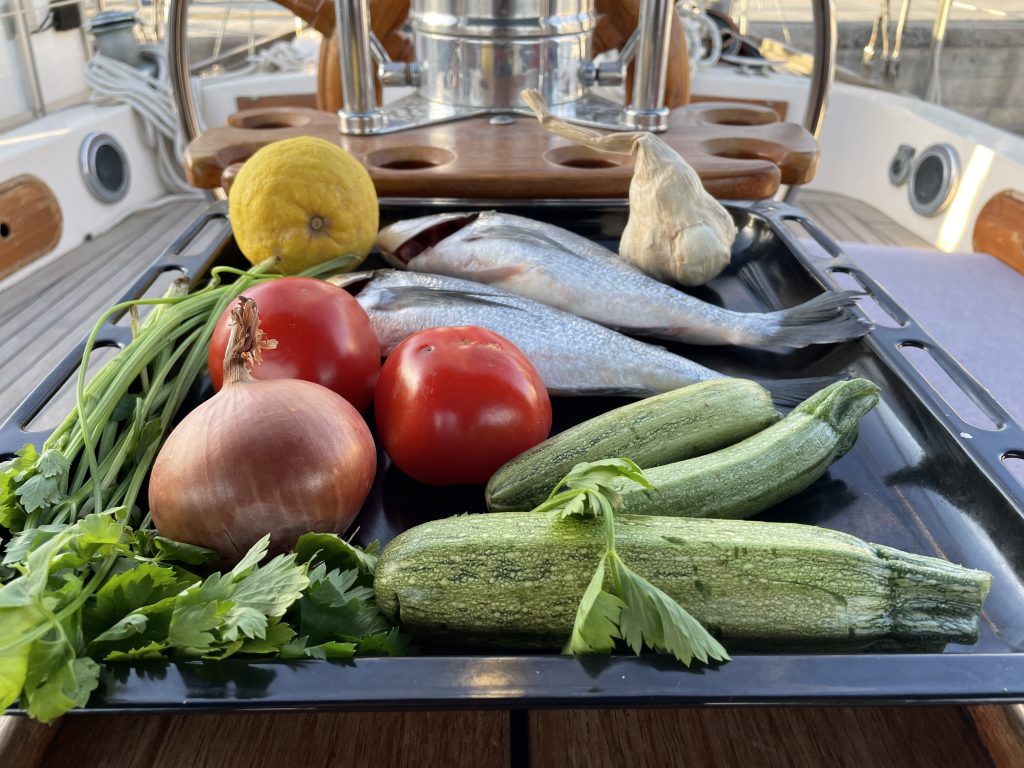
Nun sind wir an der Südküste angekommen und machen im Hafen von Karystos fest - einem Ort am Fuß des Ochi-Gebirges. Nur wenige Segler liegen im Hafen, aber Fischfang und Fischzucht werden hier offensichtlich groß geschrieben. Kaum Touristen, nur griechische, viele kleine Läden für den alltäglichen Bedarf. Alles ganz entspannt und gemütlich. Ein Ort zum bleiben. Hier erholen wir uns von unserem Teufelsritt gegen den Nordwind. Frisch gefangene Doraden zum Abendessen, Erzählen mit den wenigen Nachbarn auf den anderen Booten, einfach mal langsam machen bis der starke Nordwind aufhört.
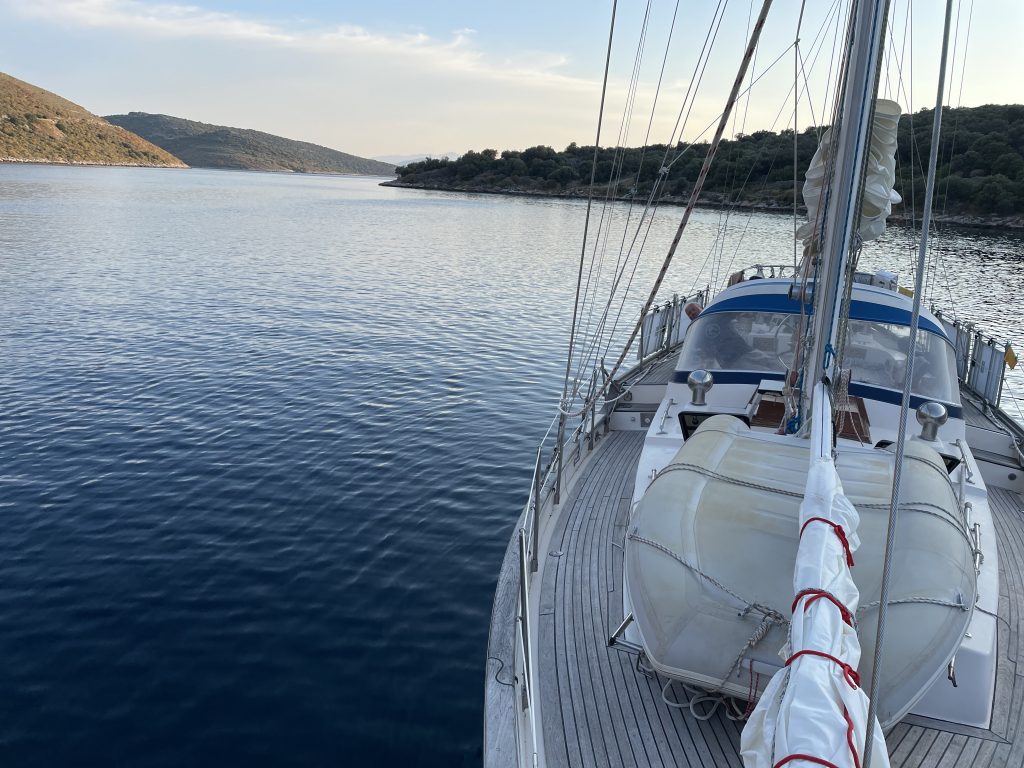
Doch dann geht‘s weiter nach Norden, entlang der Westküste von Euböa im Petalischen Golf. Gut dass wir sie entdeckt haben, die Ormos Boúfalo (Buffalo Bay). Zum Namen dieser schönen kleinen Ankerbucht gibt‘s eine Geschichte aus der Antike, aber das führt hier zu weit. Einige Segelboote liegen schon vor Anker als wir kommen, aber wir finden noch einen Platz direkt neben der Sandbank, die in die Bucht hineinragt. Wir haben das Gefühl, wir liegen in einem kleinen Fjord. Eine Idylle und eine ruhige Nacht.
Last summer, the big fires on the island of Euboea were also in the news in Germany. Large areas of beautiful vegetation fell victim to the flames and many people had to fear for their homes.
Now we have arrived at the south coast and moor in the harbour of Karystos - a place at the foot of the Ochi mountains. Only a few sailingboats are moored in the harbour, but fishing and fish farming are obviously very important here. Hardly any tourists, only Greeks, many small shops for everyday needs. Everything is relaxed and cosy. A place to stay. Here we recover from our devil's ride against the north wind. Freshly caught dorado for dinner, talking to the few neighbours on the other boats, just taking it easy until the strong north wind stops.
But then we continue north, along the west coast of Euboea in the Petalian Gulf. It's a good thing we discovered it: Ormos Boúfalo (Buffalo Bay). There's an ancient story about the name of this beautiful little anchorage, but that's going too far here. Some sailboats are already anchored when we arrive, but we find a place right next to the sandbank that juts into the bay. We have the feeling that we are lying in a small fjord. An idyll and a quiet night.