Springe zum Inhalt

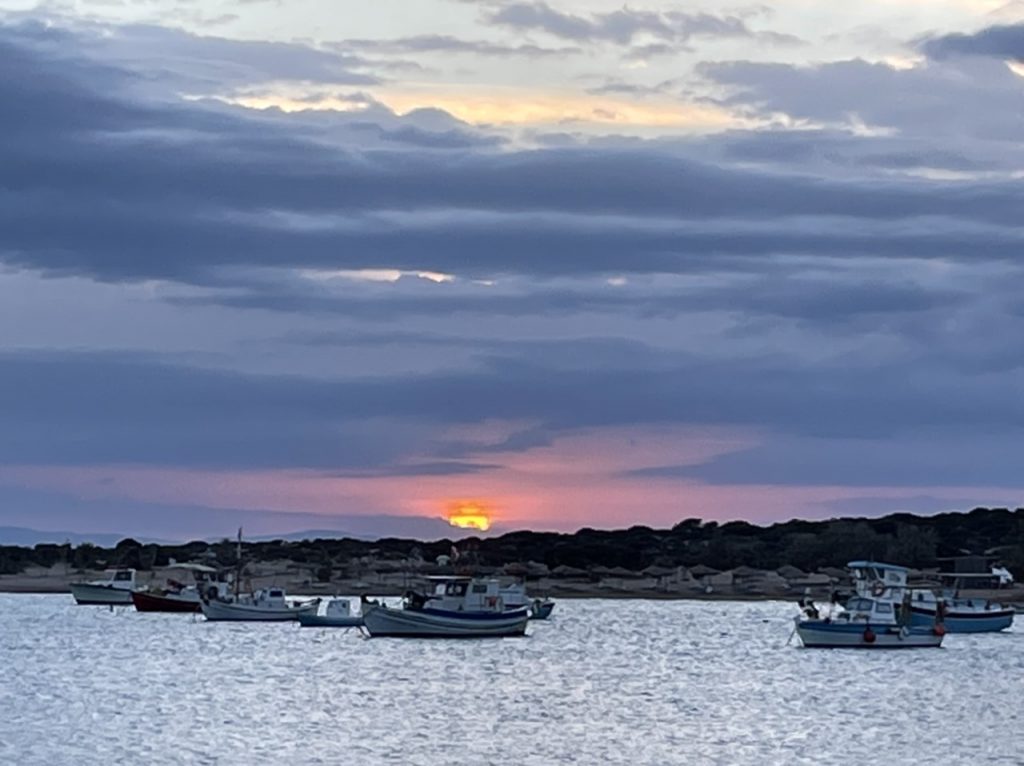
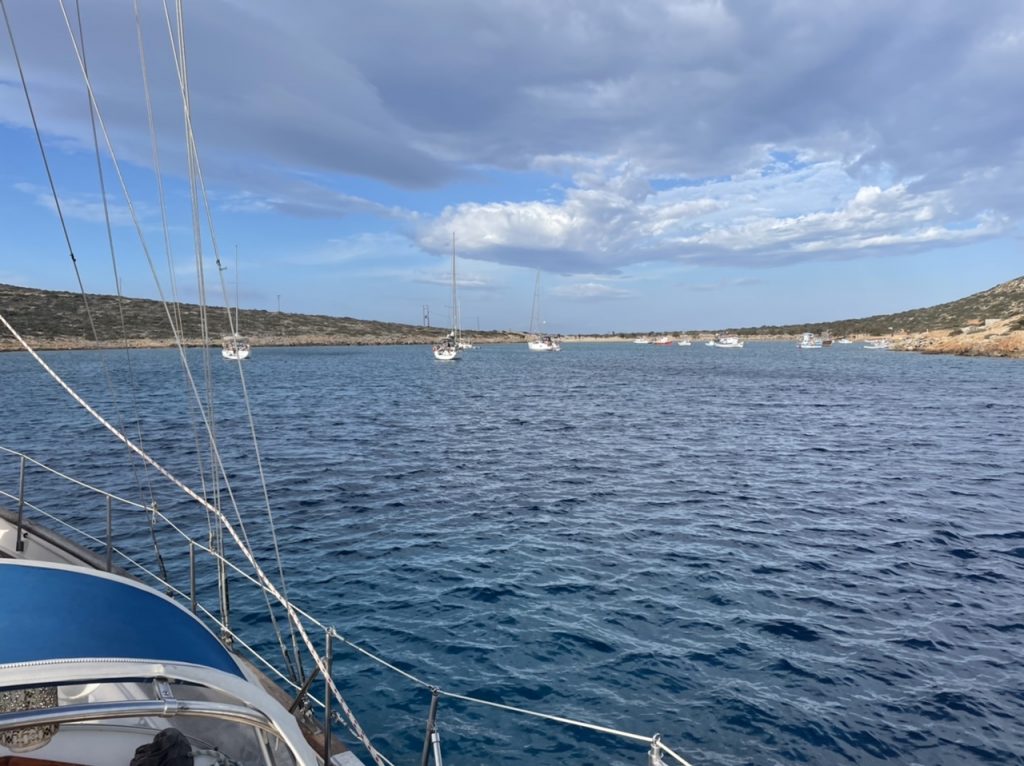
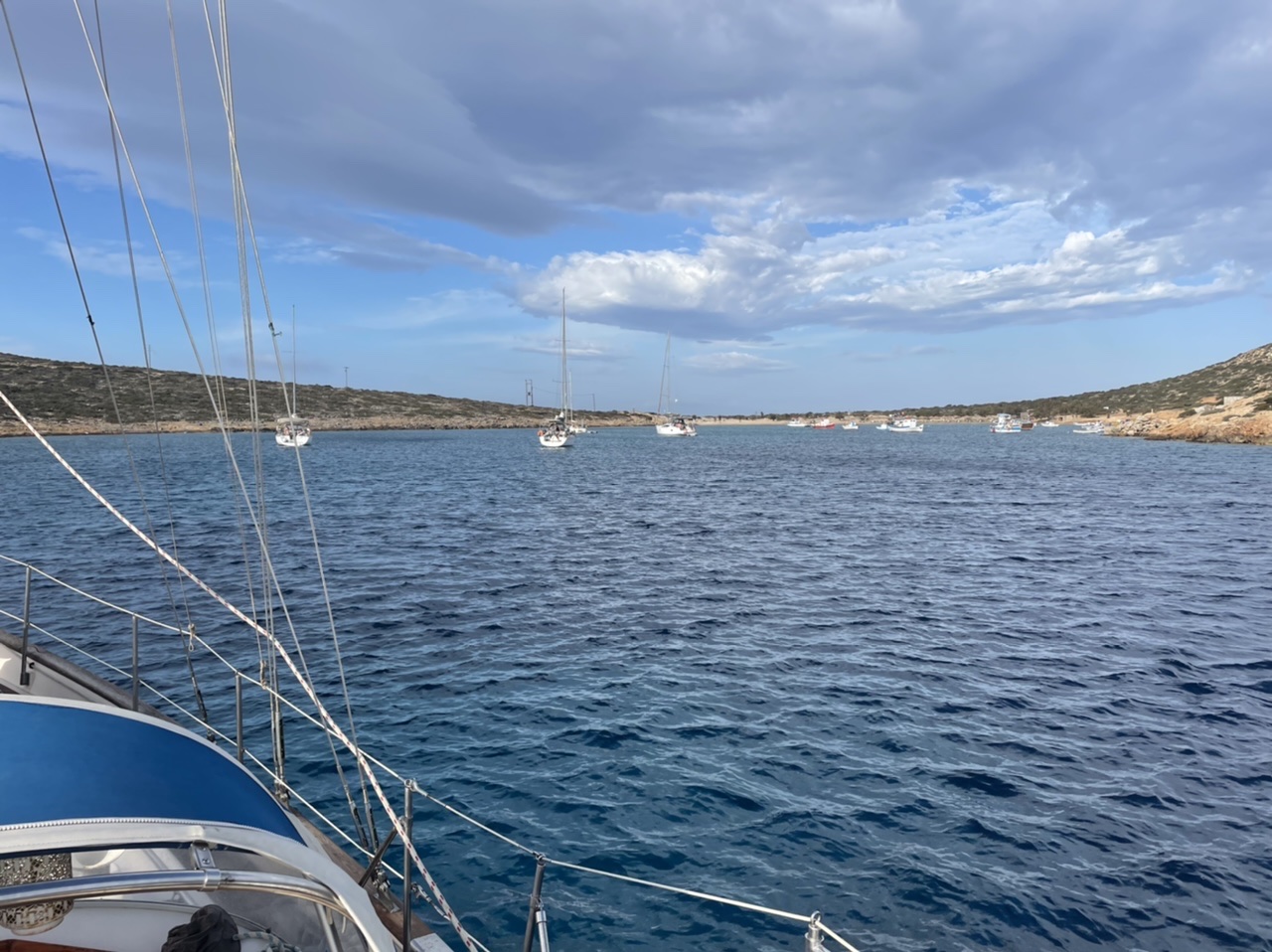
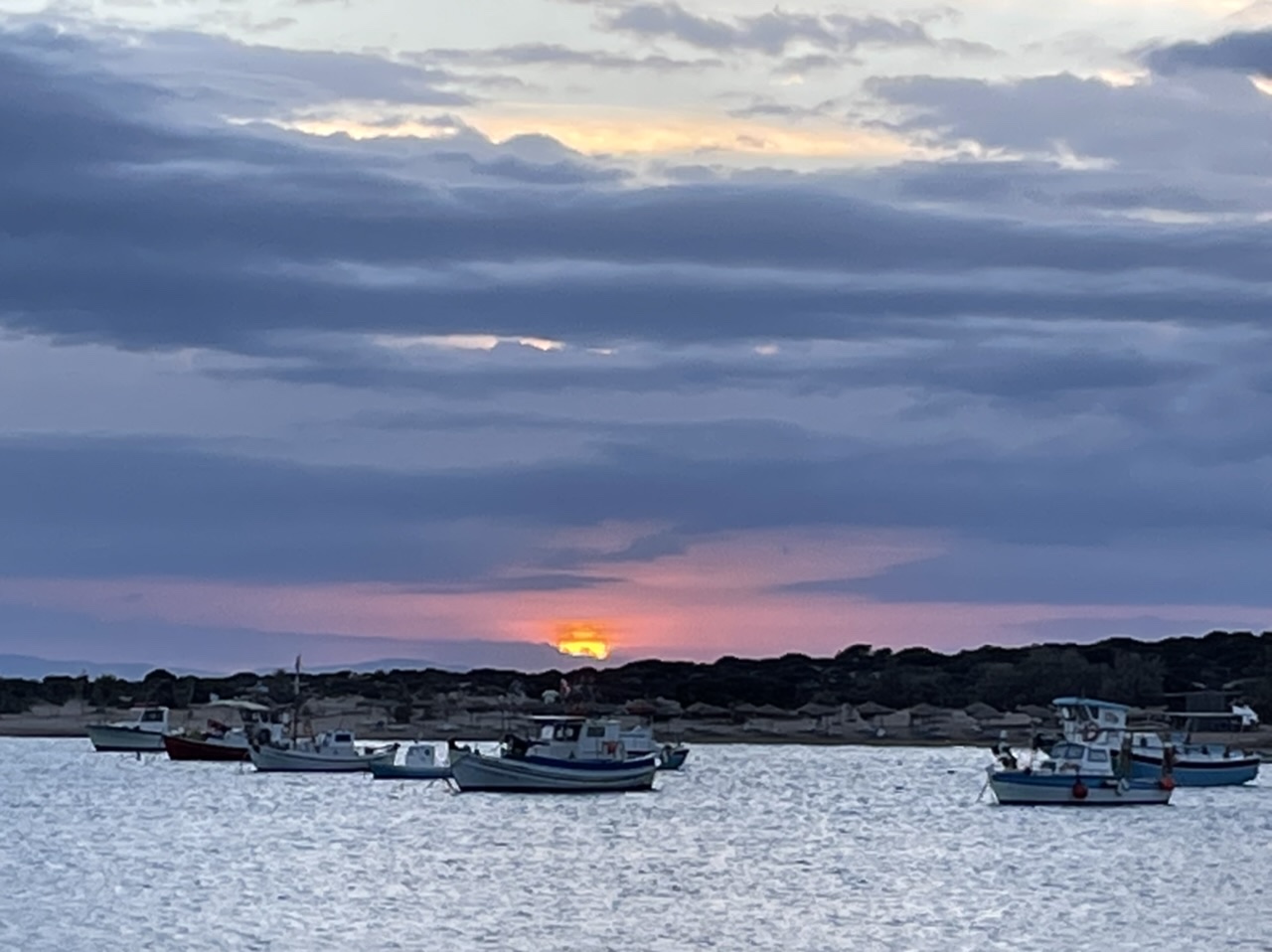
We had already read and seen a lot about the volcanic island of Milos at home. Besides Astipaleia, this was the second island in the Cyclades that we really wanted to visit. So - when the Meltemi had subsided - we set off from Ios. With winds from the north-northwest around 20 knots, we made good progress to the west. A little over 40 nautical miles to the port of Adamas on Milos. Before that, we anchored on Kimolos in Paragonisi Bay. A big bay, no swell, sunset and a few minutes later the full moon came over the mountains. So beautiful! On the way there we had admired the rugged, bizarre and colourful rocks on the south coast of the small island of Polyaigos. After a quiet night, we continued past bizarre rock formations to Milos and the large bay of Adamas. We moored at the floating jetty in the harbour and were amazed that so many boats were still out at this time in the year. Five other boats wanted to dock with us almost at the same time. Obviously, the charter season is not over yet and Milos is a popular destination.

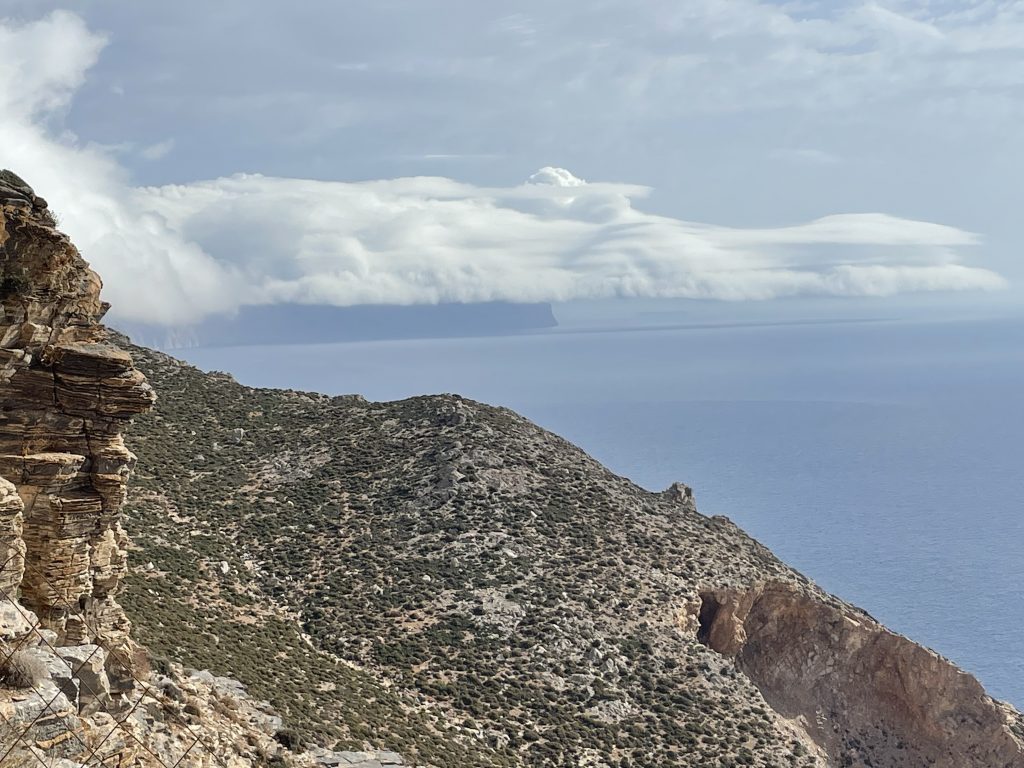
We don't just like to be on the water, we also like to look at the land. It was clear that we would take our time for Milos. But what should we write about this spectacular island? Where to start? We hiked again and rented a car for a day, saw the north-east side and the south coast with its spectacular rock falls and beaches. The pictures at the end of this blog entry speak for themselves. Pure volcanism, geologically highly interesting. A small bay was only accessible via two ladders in a narrow crevice. Would we pensioners dare to climb down there - especially as the safety rope had been torn off? We did it! We are still fit and quite free of anxiety, after all, we have been hiking a lot in the Alps. And we swam in the sea, too. The sea is still quite warm, but there were additional warm springs flowing out of the rocks. And on the beach, a sign pointed out that the sand can be very hot. The thermometer in the sand showed 80 degrees. So: take a look at the pictures. Milos is unique!

Now we have two days of rain and the next Meltemi announces itself, north wind without end. We thought the wind would be a bit more merciful in October. Actually, we want to head north, over the islands of Serifos and Kythnos, and then sail over to the Peloponnese to Poros. No, we don't have to do that in 40 knots of wind! We can take our time, we also have a bit of work to do on the boat. We stay a few more days on this interesting island, weather the next Meltemi and then want to make a long trip west to Monemvasia. 

[ngg src="galleries" ids="41" display="basic_slideshow"]
Over 30 nautical miles from Amorgos without wind, so we had to motor. We wanted to get to Ios Port to safely weather the next Meltemi and maybe take the ferry to Santorini for a day trip. We didn't want to deal with the hectic pace of Santorini with all the excursion boats, ferries and cruise ships on our own boat, especially when the Meltemi was forecast.

At first, there was only a rough spot for us in Ios Port on the south pier, which was also so low that we had to climb up our passarelle on all fours. The wind was not the problem here, the anchor held well. But the swell from the ferries gave us two restless nights with a day's boat watch in between.

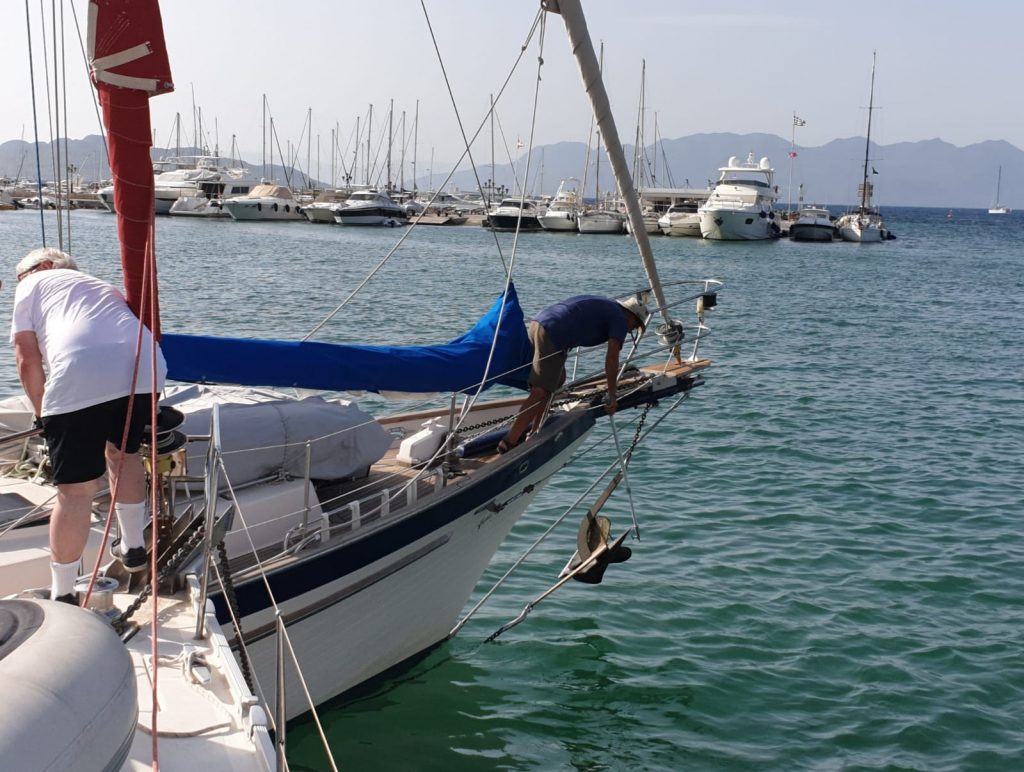
Then we were able to move further inside the harbour. No sooner were we nicely moored than we had to leave again to make way for a tanker, which apparently supplies the whole island with fuel. So we had the second anchor manoeuvre - with some stress, as we had caught the anchor chain of the catamaran lying next to us and had to free ourselves from it first. In the process, we lost a mooring line that we had used to free ourselves in the harbour basin. Fortunately, the catamaran crew fished it out. We found it again on the pier. By then we had found the best spot in the harbour - on the east pier, on the very inside. There was little wind, but we still had the swell from the ferries, but in a weakened form. Anchor was well set, fenders well placed, we observed this for a day, and then we could leave our boat alone and explore the island.

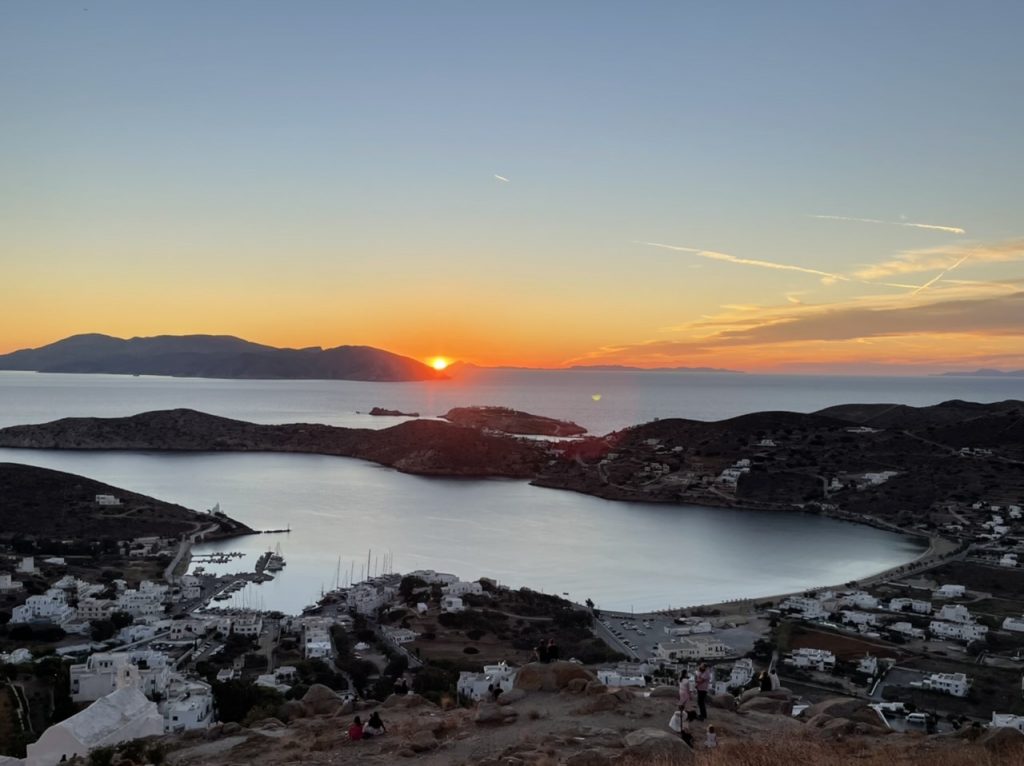
Ios was the island of the hippies in the 70s. In the meantime, it has become the island of party-going youngsters. The Chora is beautiful, but there is a nightclub or disco in every third house. Some of them only open at one o'clock in the morning. Not for us. But we made the climb to the chapel on the peak above the Chora to have a great view over the surrounding islands at sunset, also to Santorini.

Yes, Santorini - we couldn't make the visit by ferry. It's the off-season, there aren't so many ferries and not during Meltemi anyway. We would have had to stay overnight in Santorini at a horrendous price. And with our own boat? Since a north wind was forecast for the next two weeks, we didn't want to go any further south. So no Santorini, ok for us, because there are so many interesting islands here. But while the Meltemi was blowing down, we explored Ios on foot and by rented car. There are not only discos and nightclubs. Of course, we visited Homer's grave in the very wild north of the island. We were fascinated by the now completely empty picture-book sandy beaches, the wild rocky mountain landscape, the many terraces, most of which are no longer cultivated, and the variety of rocks: marble, gneiss, slate, granite, pumice, lava. Barren to look at from the sea and then so many colours when you take a closer look!

[ngg src="galleries" ids="40" display="basic_slideshow"]
Über 30 Seemeilen von Amorgos ohne Wind, also motoren. Denn wir wollten nach Ios, um dort sicher den nächsten Meltemi abzuwettern und um vielleichjt mit der Fähre einen Tagesausflug nach Santorini zu machen. Die Hektik auf Santorini mit den vielen Ausflugsbooten, Fähren und Kreuzfahrtschiffen wollten wir uns mit dem eigenen Boot nicht antun, vor allem nicht bei angekündigtem Meltemi.

Zuerst gab es für uns in Ios Port nur einen unruhigen Platz an der Südpier, die zudem so niedrig war, dass wir unsere Passarelle auf allen vieren hochklettern mussten. Der Wind war hier nicht das Problem, Der Anker hielt gut. Aber der Schwell der Fähren bereitete uns zwei unruhige Nächte mit einem Tag Bootswache dazwischen.

Dann konnten wir uns weiter in das Innere des Hafens verlegen. Kaum lagen wir schön fest, da mussten wir schon wieder weg, um einem Tankschiff Platz zu machen, das offensichjtlich die ganze Insel mit Sprit versorgt. Also das zweite Ankermanöver - mit etwas Stress, da wir die Ankerkette des neben uns liegenden Katamarans erwischt hatten und uns davon erst befreien mussten. Dabei verloren wir einen Festmacher, den wir bei der Befreiungsaktion verwendet hatten, im Hafenbecken. Zum Glück fischte ihn die Katamarancrew heraus. Auf der Pier fanden wir ihn wieder. Da hatten wir inzwischen schon den optimalen Platz im Hafen gefunden - an der Ostpier, ganz innen. Wenig Wind, aber den Schwell der Fähren hatten wir trotzdem, allerdings in abgeschwächter Form. Anker saß gut, Fender gut platziert, das beobachteten wir einen Tag lang, und dann konnten wir unser Boot alleine lassen und die Insel erkunden.

Ios war in den 70iger Jahren die Insel der Hippies. Inzwischen ist sie zur Insel der Party feiernden Youngsters geworden. Die Chora ist zwar wunderschön, aber in jedem dritten Haus befindet sich ein Nachtclub oder eine Disco. Manche machen erst nachts um ein Uhr auf. Nix für uns. Aber den Aufstieg zur Kapelle auf dem Gipfel über der Chora haben wir schon gemacht, um beim Sonnenuntergang einen tollen Blick über die umliegenden Inseln zu haben, bis nach Santorini.

Ja Santorini - den Besuch mit der Fähre konnten wir nicht machen. Nebensaison, da fahren nicht mehr so viele Fähren und bei Meltemi sowieso nicht. Wir hätten zu einem horrenden Preis in Santorini übernachten müssen. Und mit dem eigenen Boot? Da für die nächsten zwei Wochen Nordwind angesagt war, wollten wir nicht noch weiter nach Süden. Also kein Santorini, nicht schlimm, es gibt ja so viele interessante Inseln hier. Aber beim Abwettern des Meltemi haben wir dann Ios zu Fuß und mit dem Leihauto erkundet. Es gibt nicht nur Discos und Nachtclubs. Natürlich haben wir das Grab von Homer ganz im wilden Norden der Insel besucht. Die inzwischen völlig leeren Bilderbuchsandstrände haben uns fasziniert, die wilde felsige Berglandschaft, die vielen Terrassen, die heute zum großen Teil nicht mehr bewirtschaftet werden und die Vielfalt der Gesteine: Marmor, Gneis, Schiefer, Granit, Bims, Lava. Von See aus karg anzusehen und dann beim näheren Hinschauen so viele Farben!

[ngg src="galleries" ids="40" display="basic_slideshow"]
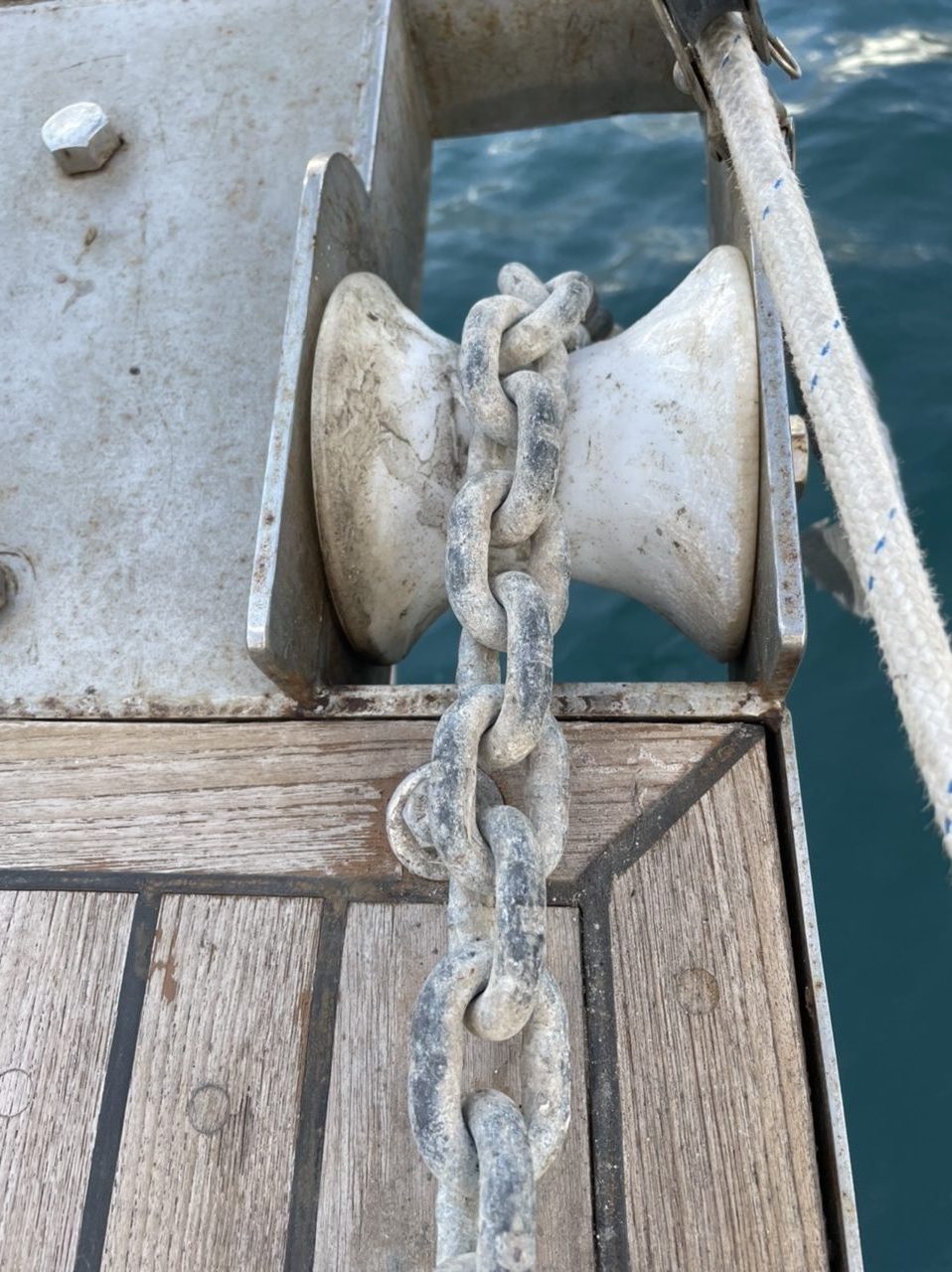
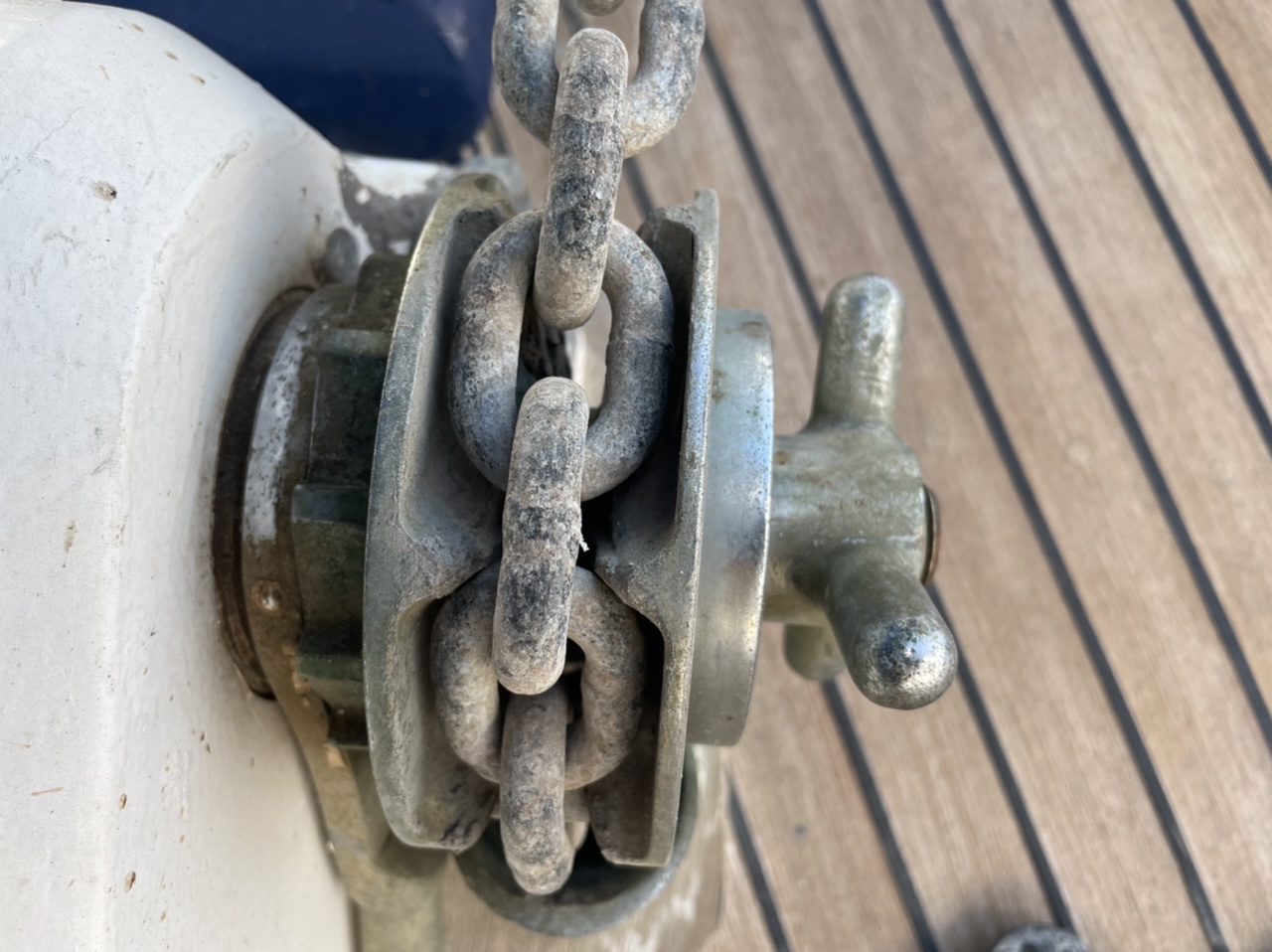
Ja, das ist für uns auch immer wieder ein Thema: Haben wir beim Ankern genügend Kette gesteckt? Ich bin diejenige von uns beiden, die den Anker fallen lässt und sich darum kümmert, dass er sitzt und hält.

Am einfachsten ist es beim freien Ankern in einer Bucht. Auf die Art des Untergrundes achten, Sand oder Schlick sind gut, auf Seegras gräbt der Anker sich oft schlecht ein, Fels - das geht gar nicht. Die Wassertiefe, der Abstand zum Ufer oder zu einzelnen Felsen und anderen Booten, Windstärke, all das ist zu beachten bevor die Kette rausläuft. 

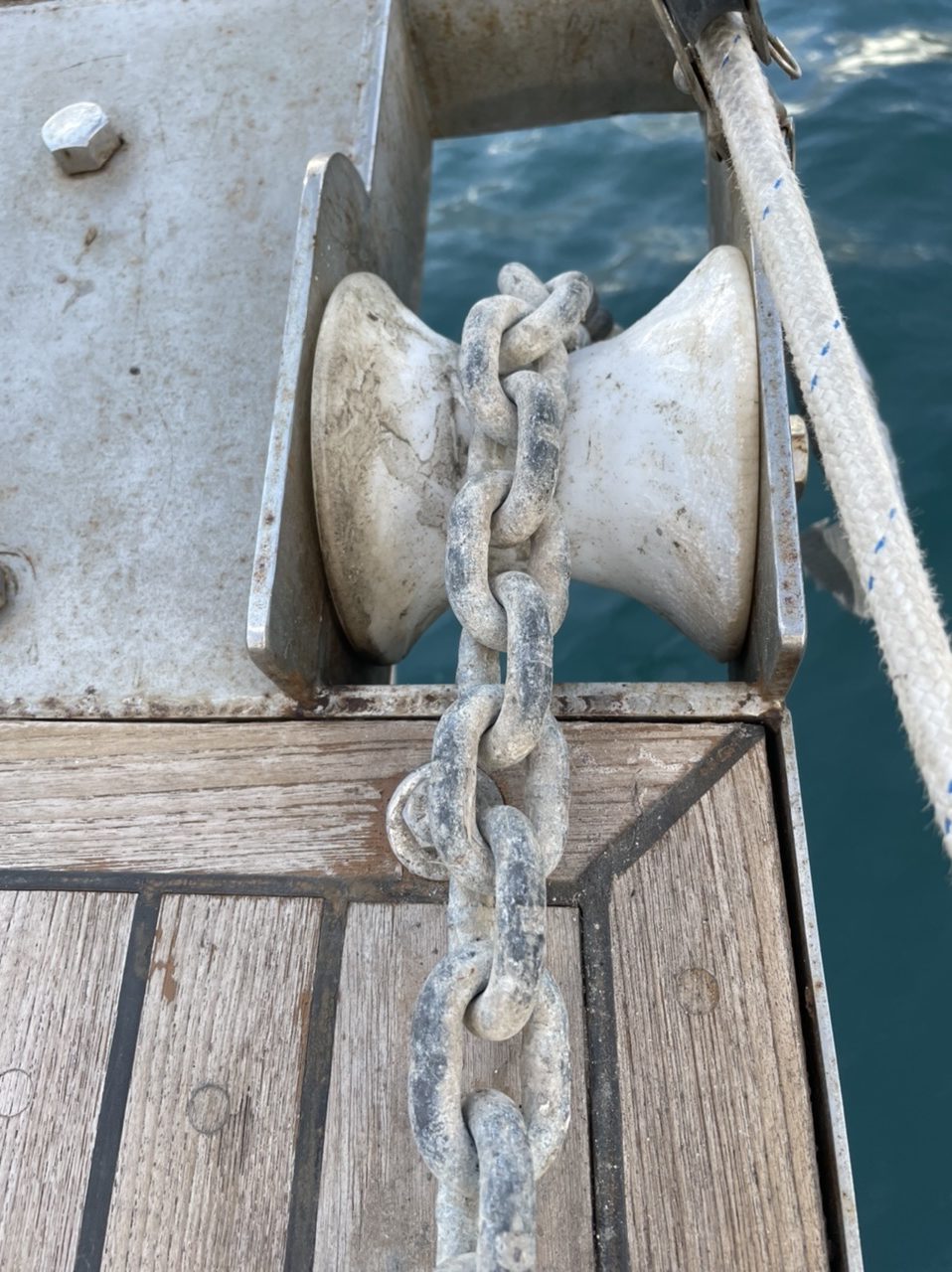
Generell gilt: Lieber mehr Kette stecken als zu wenig. Wir haben 100 Meter. Bisher haben wir bis zu 60 Meter gebraucht. Aber es macht ein gutes Gefühl, wenn dann noch 40 Meter im Kasten sind.

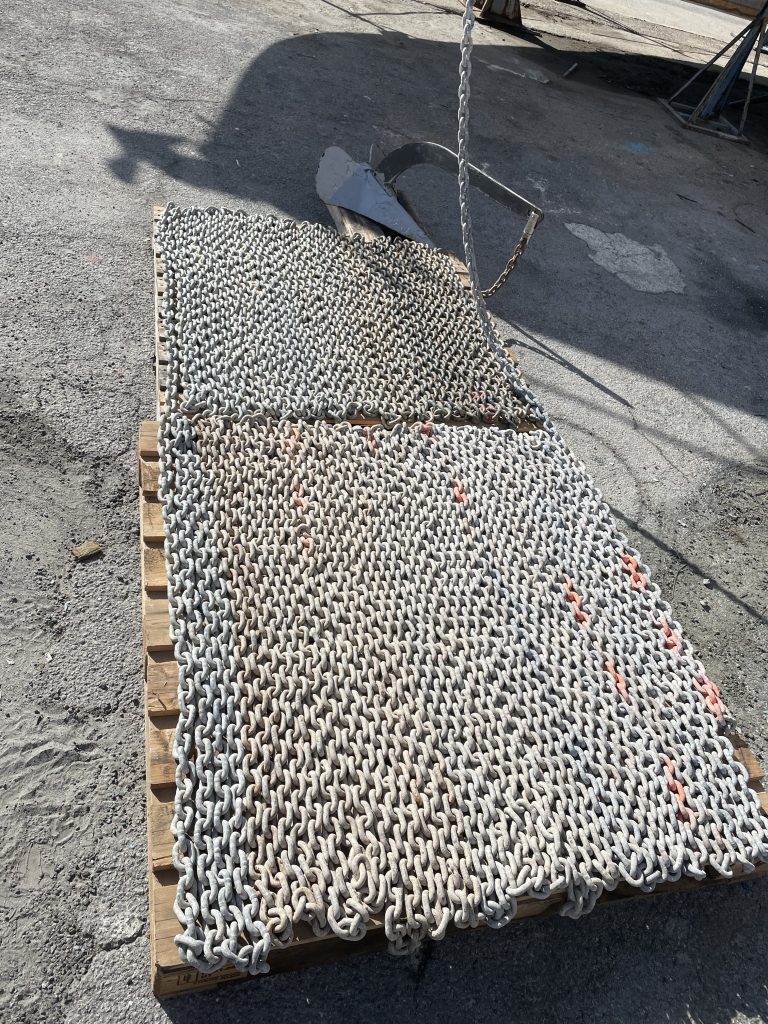
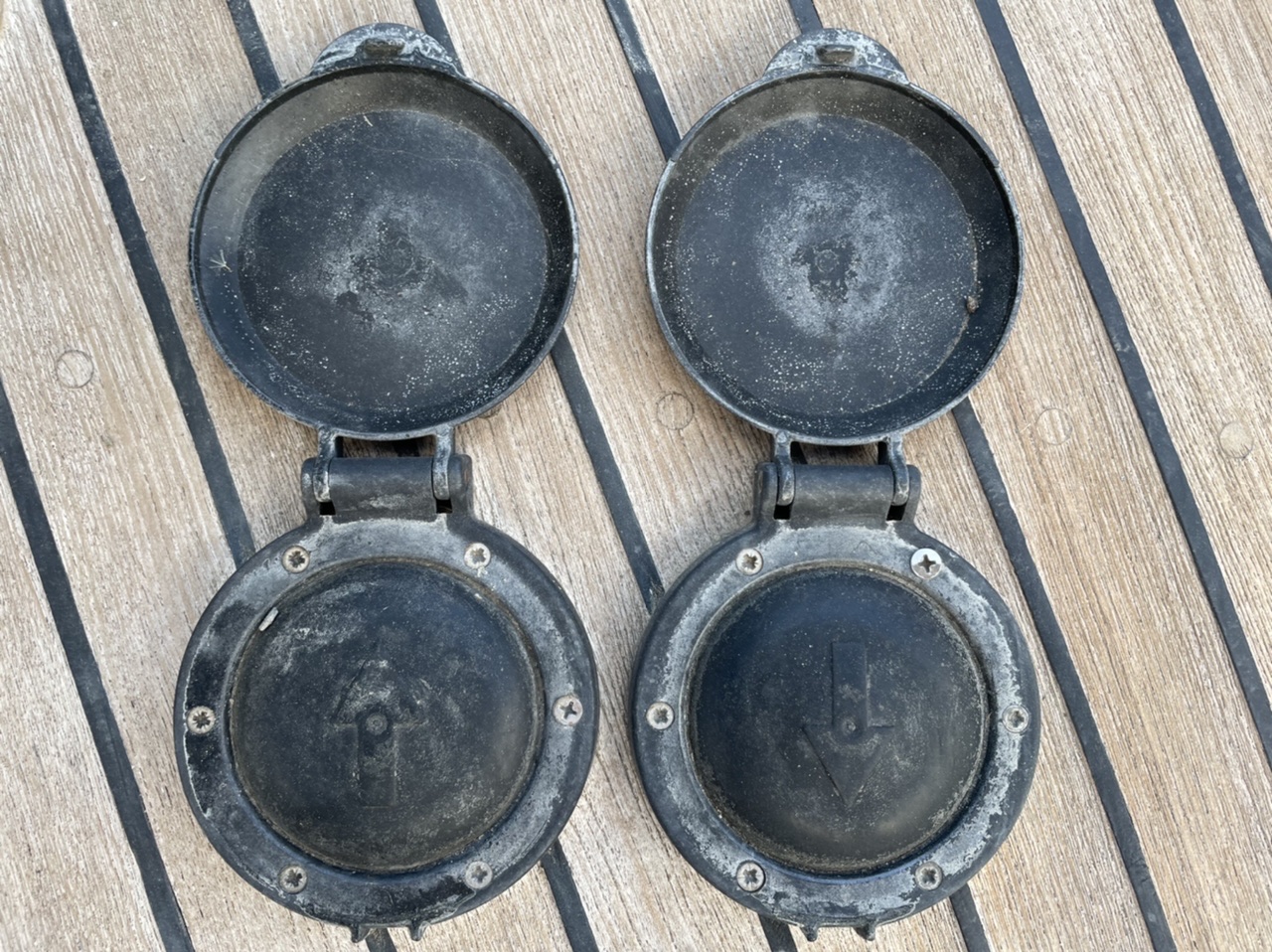
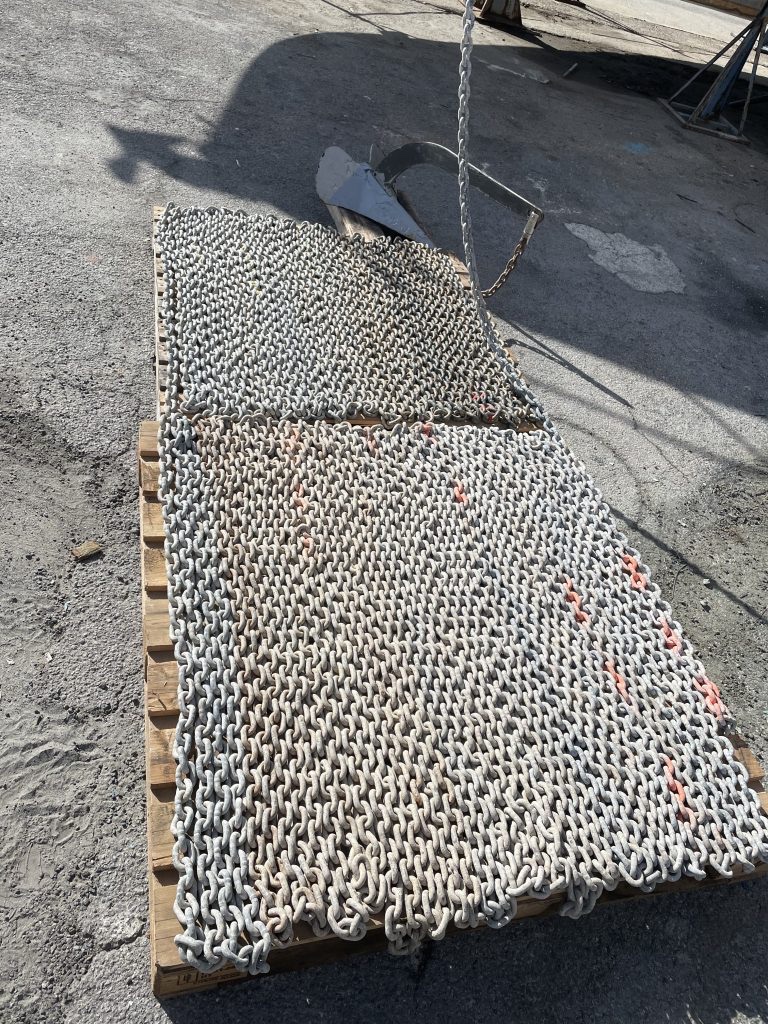
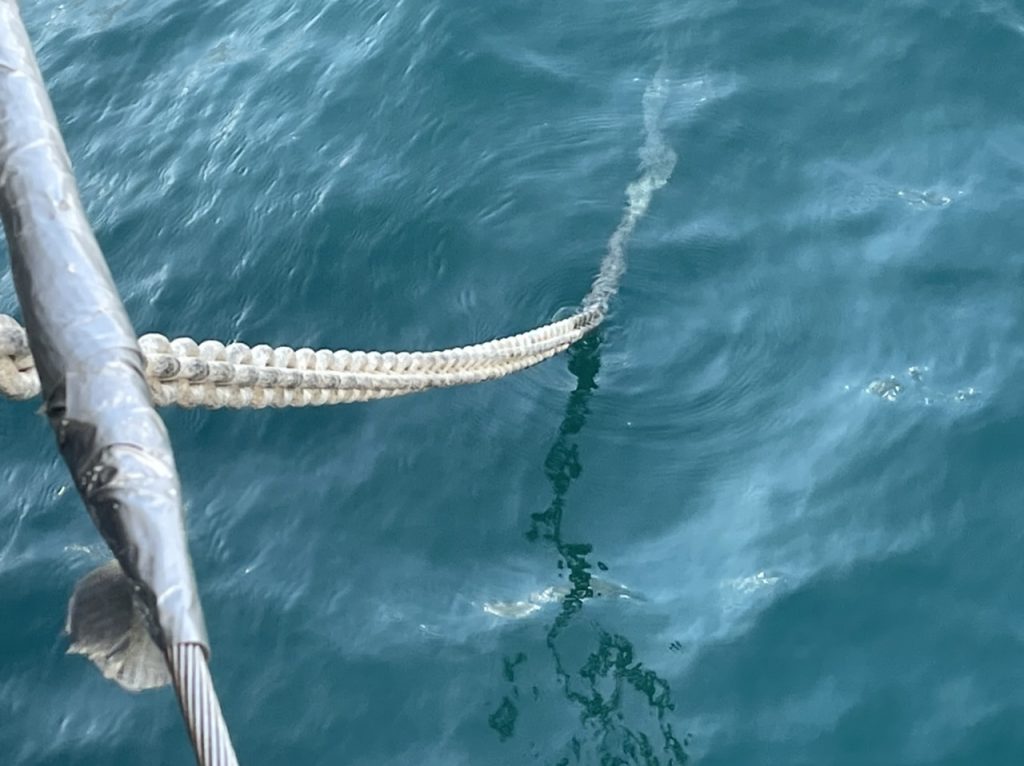
Schwierig ist es manchmal, wenn wir uns mit dem Heck zur Pier im Hafen vor Buganker legen. Das ist in fast jedem griechischen Stadthafen der Fall, also fast immer. Wie ist der Untergrund im Hafen? Was liegt dort auf dem Boden? Vielleicht eine dicke Grundkette quer durch den ganzen Hafen, wie in Ios Port? 30 Meter entfernt von der Pier. Wo liegen die Anker der anderen Boote? Wieviele Meter Kette kann ich dann maximal stecken? Zum Glück fährt Walter, der beim Hafenmanöver am Ruder steht, langsam und ruhig herum, sodass wir uns im Ruhe alles anschauen können. Hektik ist nicht hilfreich, aber Erfahrung und Geduld. Da haben wir inzwischen zugelegt. Trotzdem gibt’s dann manchmal doch Anspannung. Einmal - auf Euböa - hat sich die Ankerwinsch nicht gerührt, als ich die Kette rauslassen wollte. Die Kontakte im Druckknopf waren völlig korrodiert. Zum Glück konnten wir längsseits anlegen und das in Ordnung bringen.

Spannend kann es auch beim Einholen der Kette werden, wenn die Kette eines anderen Bootes über unserer liegt und wir sie mit unserem Anker hochholen. Wir hatten schon Glück und sind die fremde Kette durch Hin- und Hermanövrieren wieder losgeworden. Aber manchmal gibt es richtig Arbeit: die Kette des anderen so weit hochziehen, bis man eine Leine darunter durchziehen kann, dann die Leine fixieren, den eigenen Anker wieder herunter lassen und sobald der frei ist, die Leine unter der fremden Ankerkette herausziehen. Klingt einfach, hat bisher auch immer funktioniert, aber danach war ich immer k.o.

In Ios Port konnten wir beobachten, wie ein Boot, das seinen Buganker ausgebracht hatte, später bei starkem Wind längsseits auf die Pier gedriftet ist, weil der Anker ausgebrochen ist. Hätte, hätte … mehr Ankerkette? Da steckt man nicht drin. Auch unser Anker ist schon mal gerutscht, sodass wir mit dem Heck näher an die Pier geraten sind. Dann ist es gut, wenn man noch ein paar Meter Kette einholen kann.

Yes, that's always an issue for us: did we put enough chain when we dropped the anchor? I'm the one of the two of us who drops the anchor and makes sure it is fix and holds.

It's easiest when anchoring freely in a bay. Pay attention to the type of ground, sand or silt are good, on sea grass the anchor often digs in badly, rock - that doesn't work at all. The depth of the water, the distance to the shore or to individual rocks and other boats, wind strength, all this has to be taken into account before the chain runs out. 

As a general rule, it's better to put in more chain than too little. We have 100 metres. So far we have used up to 60 metres. But it's a good feeling when there are still 40 metres in the box.

Sometimes it's difficult when we lay with the stern to the pier in the harbour in front of bow anchors. That's the case in almost every Greek city harbour, so almost always. What is the ground like in the harbour? What is there on the ground? Maybe a thick ground chain across the whole harbour, like in Ios Port? 30 metres away from the pier. Where are the anchors of the other boats? How many metres of chain can I put in at most? Fortunately Walter, who is at the helm during the harbour manoeuvre, drives around slowly and calmly so that we can look at everything in peace. Hectic is not helpful, but experience and patience are. In the meantime, we've gained in patience. Nevertheless, there is sometimes tension. Once - on Euboea - the anchor winch wouldn't work when I wanted to let the chain out. The contacts in the push-button were completely corroded. Luckily we were able to moor alongside and fix it.

It can also be exciting when retrieving the chain, if another boat's chain is lying above ours and we bring it up with our anchor. We have already been lucky and got rid of the foreign chain by manoeuvring back and forth. But sometimes there is real work to do: pull up the other boat's chain until you can pull a line under it, then fix the line, lower your own anchor again and as soon as it is free, pull the line out from under the other boat's anchor chain. Sounds simple and has always worked, but afterwards I was always nearly knocked out.

In Ios Port, we watched a boat that had deployed its bow anchor later drift alongside onto the pier in strong winds because the anchor had broken loose. Could have, would have ... more anchor chain? Who knows? Our anchor had also slipped sometime, so that we came closer to the pier with the stern. Then it's good to have a few more metres of chain to pull in.

Nach 40 Seemeilen mit teils heftiger Dünung (immerhin der richtige Wind) fanden wir die Ankerbucht, die uns unser Bootsnachbar in Astypalea empfohlen hatte - gegen Dünung gut geschützt, aber nicht gegen Wind, und davon gab es wirklich genug. Eine winzige Bucht im Nordwesten von Amorgós, ziemlich flach, und als wir um die schroffen Felsen herum waren, sahen wir: es liegen schon sechs Segelboote hier und einige Fischerboote. Also mussten wir ganz nahe an den Ausgang der Bucht, und das bei 30 Knoten Wind von vorn und beiderseits ziemlich nah an den Felsen. Es blies die ganze Nacht, aber der Anker hielt gut. Und es war eine sehr dunkle Nacht: Neumond, kein künstliches Licht und kaum Sterne, da der Himmel zum großen Teil bewölkt war. Fast ein bisschen unheimlich, aber das ist wohl eine Sache der Gewöhnung.

Am nächsten Tag gings weiter nach Katapola, den Haupthafen von Amorgós. Der Ort liegt am Ende einer weiten hügeligen Bucht, fast auf jeder Kuppe ein winziges Kirchlein. Hinter der langen Pier, an der auch die  Fähren anlegen, ein gemütliches kleines Dorf mit Kneipen, kleinen Supermärkten, Bars und bunt bemalten Häusern, großteils kleine Hotels oder Studios, sehr angenehm. 

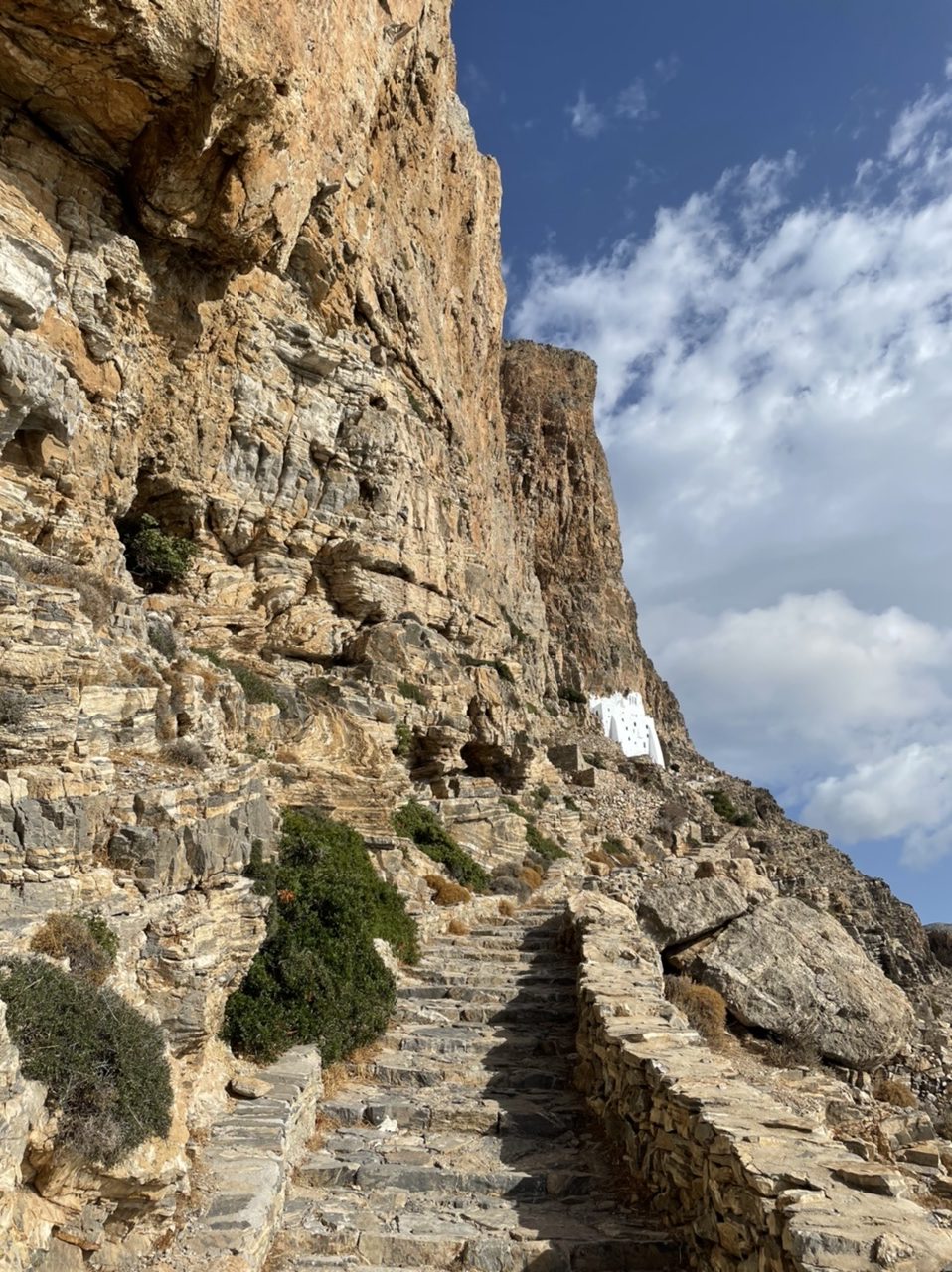
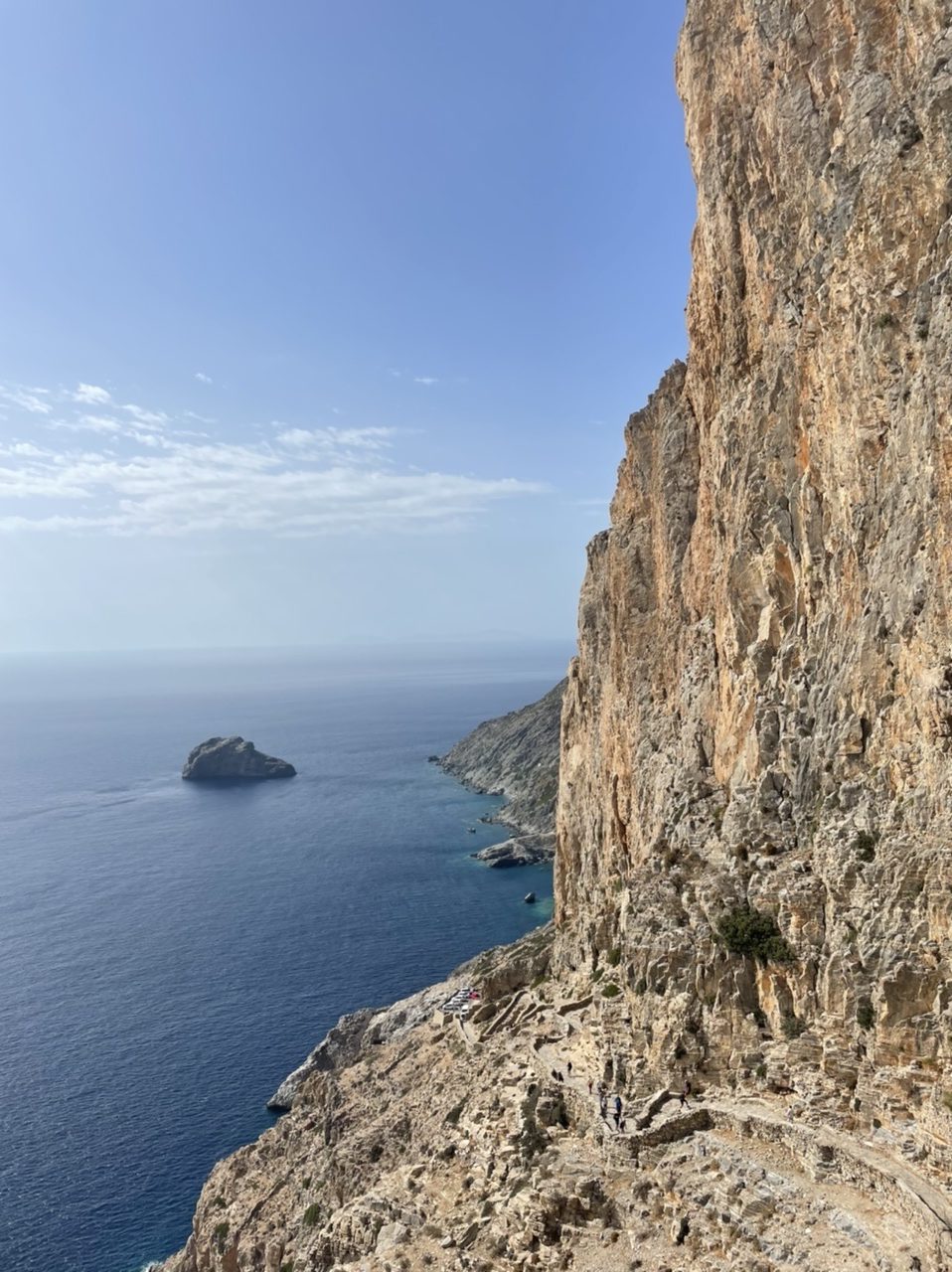
Ein Bus fährt über die sehenswerte Chora auf die Ostseite der Insel, und die hat es in sich: Hunderte von Metern hohe senkrechte Felsabstürze bis ins Meer, mittendrin auf halber Höhe an den senkrechten Fels geklebt: ein weißes Kloster, wenige Meter breit und drei kleine Stockwerke hoch. Man muss auf Treppen und steilen Wegen aufsteigen, es gibt keine Straße. Die Eingangstür ist gerade mal 1,60m hoch, man kriecht fast steile Treppen, durch Steinbögen stabilisiert, hoch in die Kirche, voll mit Ikonen und Holzschnitzereien. Eine Treppe höher nimmt man Platz in der „guten Stube“ der Mönche und wird bewirtet mit Honig-Ouzo-Likör (Rakomelo), Wasser und diesen leckeren Loukoumi. Der Blick ist unbeschreiblich, man hängt sozusagen in der Felswand senkrecht über dem Meer. Wir fragen, ob das Kloster immer so blütenweiß aussieht und erfahren, das einmal im Jahr sechs Menschen, die vom obersten Stockwerk mit Klettergurt und Seilen herunter gelassen werden, eine Woche lang das ganze Gebäude neu weißeln.

In Katapola gibt es noch etwas sehr Bemerkenswertes: einen kleinen botanischen Garten, direkt hinter dem Dorf. Es wachsen mediterrane Kräuter und Bäume, mit erklärenden Schildern versehen. Der Garten wird von jungen Einheimischen gepflegt, die auch die kleine Taverne am Eingang und einen Kräuterladen betreuen. Und: Ende September gab es abends einen Jazzgitarristen, der Swing und Bossa Nova spielte, und zwar mit großem Können - vom Feinsten!

Die Insel ist touristisch - allerdings kein Massentourismus wie in Kos, sondern eher Individualtouristen, mit Rucksäcken und Wanderschuhen. Auch die kleine Chora ist gemütlich, mit winzigen Plätzen mit Bars unter Tamarisken. 

Bei dem gut einstündigen Abstieg von der Chora nach Katapola hatten wir auf gut gekennzeichneten Wegen entlang von Mauern und Terrassen grandiose Ausblicke zum Meer - eine rundum wunderschöne Insel. Da konnten wir auch einen slippenden Anker, damit verbunden einen Platzwechsel und eine versehentlich gezogene Nachbarankerkette verkraften …

[ngg src="galleries" ids="39" display="basic_slideshow"]
After 40 nautical miles with partly heavy swells (the right wind, after all) we found the anchorage our boat neighbour in Astypalea had recommended - well protected against swells, but not against wind, and there really was enough of that. A tiny bay in the northwest of Amorgós, quite shallow, and when we were around the jagged rocks, we saw: there are already six sailing boats here and some fishing boats. So we had to get very close to the exit of the bay, and that in 30 knots of wind from the front and pretty close to the rocks on both sides. It was blowing all night, but the anchor held well. And it was a very dark night: New moon, no artificial light and hardly any stars as the sky was mostly cloudy. Almost a bit eerie, but that's probably a matter of getting used to it.

The next day we went on to Katapola, the main port of Amorgós. The town lies at the end of a wide hilly bay, with a tiny church on almost every hilltop. Behind the long pier, where the ferries also dock, a cosy little village with pubs, small supermarkets, bars and colourfully painted houses, mostly small hotels or studios, very pleasant. 

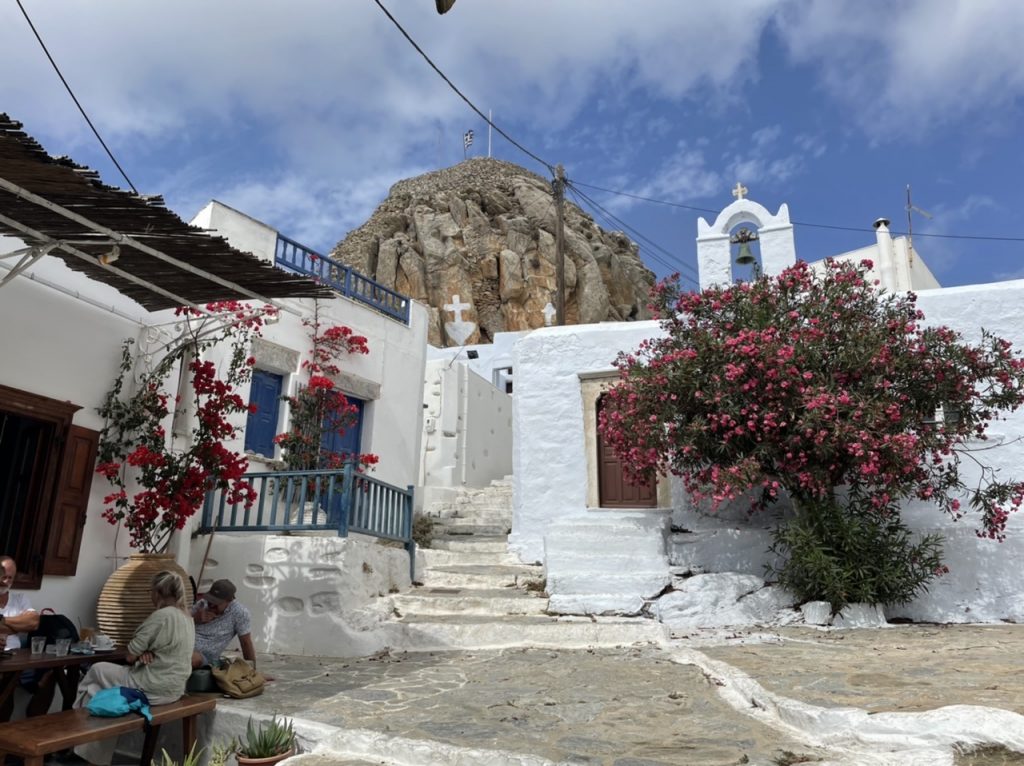
A bus takes us to the Chora, a place well worth seeing, to the east side of the island, and it's quite something: vertical cliffs hundreds of metres high, reaching down into the sea, with a white monastery halfway up the vertical cliff, a few metres wide and three small storeys high. You have to climb up stairs and steep paths, there is no road. The entrance door is just 1.60m high, you crawl up almost steep stairs, stabilised by stone arches, into the church, full of icons and wood carvings. Up one flight of stairs, you take a seat in the monks' "good room" and are served honey ouzo liqueur (rakomelo), water and this delicious loukoumi. The view is indescribable, you are suspended, so to speak, in the rock face vertically above the sea. We ask if the monastery always looks so white and learn that once a year six people, lowered from the top floor with climbing harnesses and ropes, spend a week whitewashing the whole building.

In Katapola there is something else very remarkable: a small botanical garden, directly behind the village. Mediterranean herbs and trees grow there, with explanatory signs. The garden is tended by young locals who also run the small taverna at the entrance and a herb shop. And: at the end of September, there was a jazz guitarist in the evening who played swing and bossa nova, and with great skill - the finest!

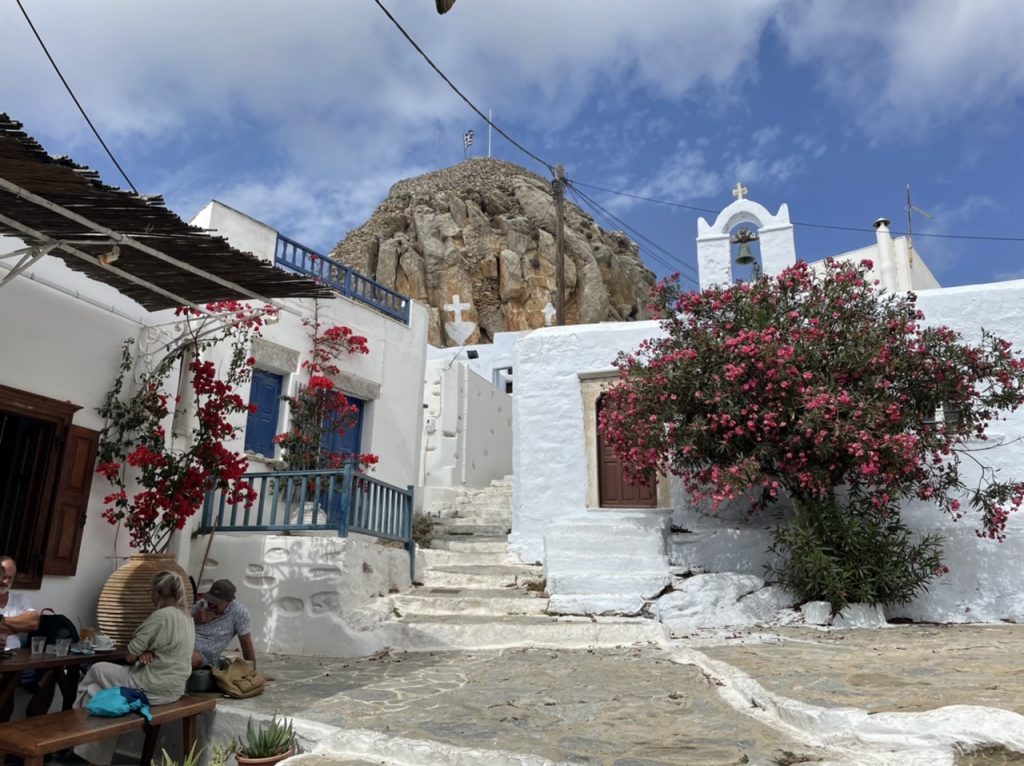
The island is touristy - but no mass tourism like in Kos, but rather individual tourists, with backpacks and hiking boots. The small Chora is also cosy, with tiny squares with bars under tamarisk trees. 

On the one-hour descent from the Chora to Katapola, we had magnificent views of the sea on well-marked paths along walls and terraces - an all-round beautiful island. Therefore we were able to cope with a slipping anchor, a change of mooring and an accidentally pulled neighbour's anchor chain …

[ngg src="galleries" ids="39" display="basic_slideshow"]