Springe zum Inhalt

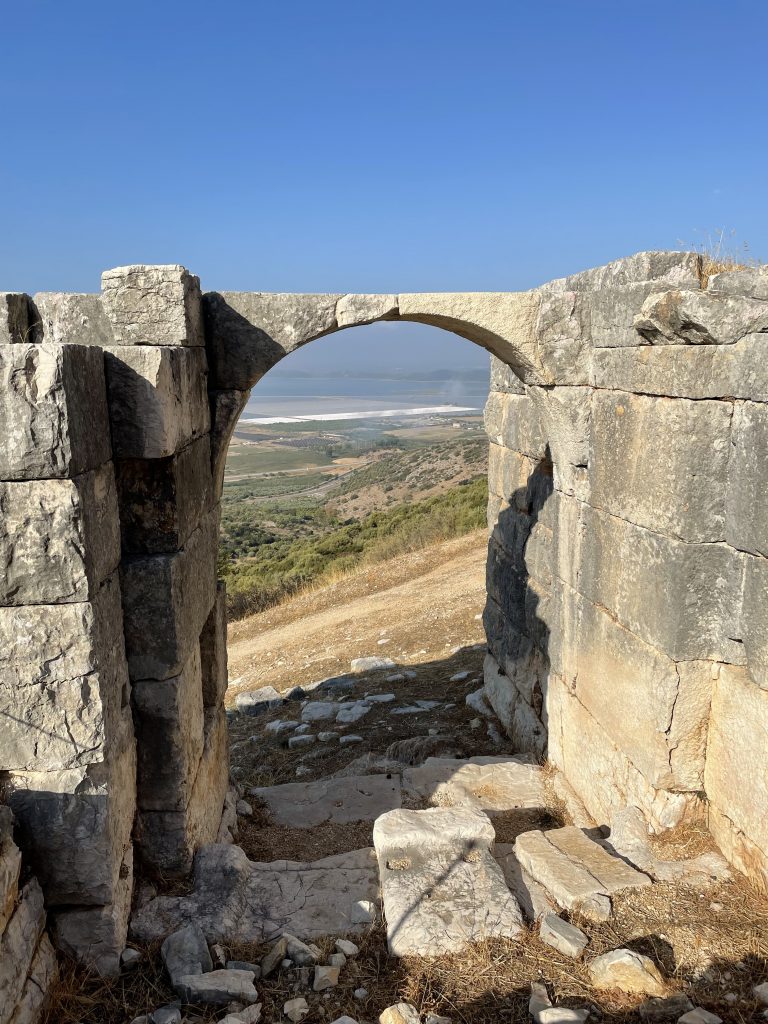
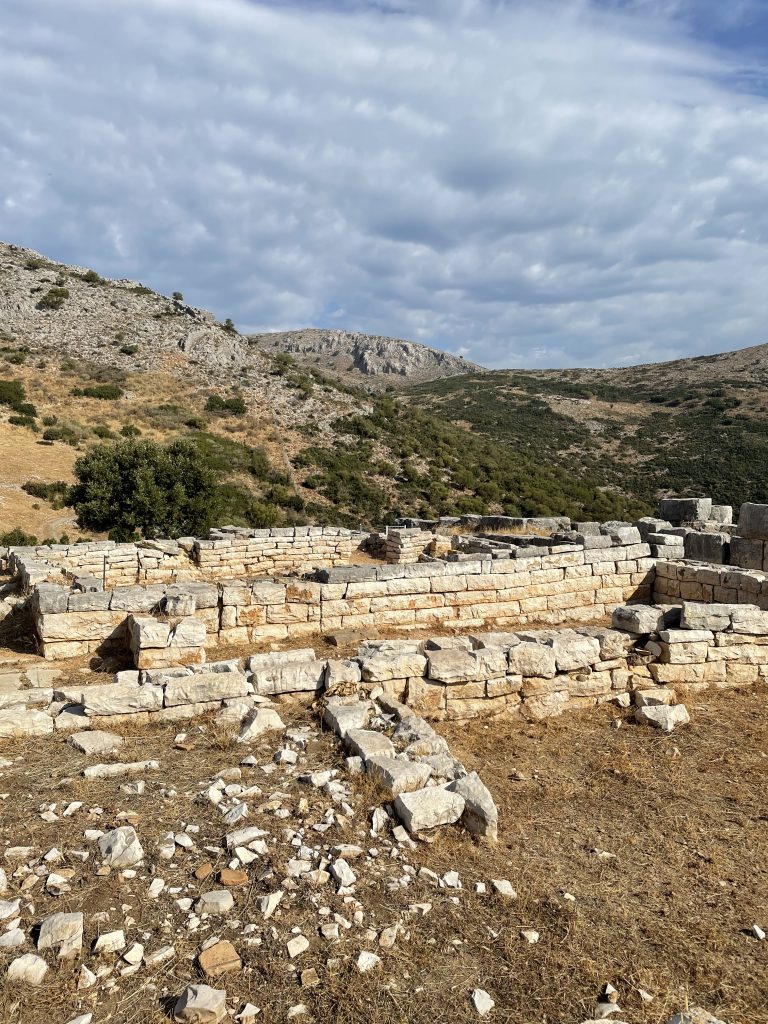
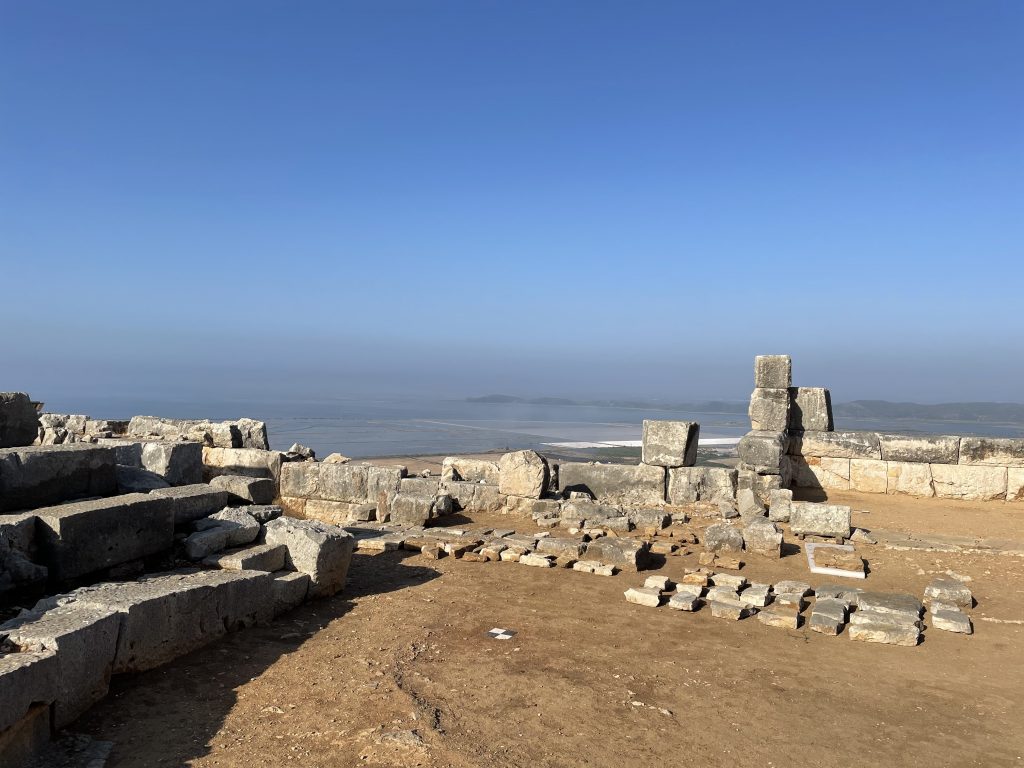
Ancient Plevrona, also called Pleuron, was located on a hill a little northwest of Messolonghi, in the area of Aetolioarkania, a region that had great importance in ancient times. The name comes from Pleuron, the son of Aitolos, who gave his name to the region. In the Iliad it is mentioned that the city provided 40 ships for the Trojan War. (7th/8th century B.C., Mycenaean period). Plevrona also had a port down by the lagoon with its own fortifications.

The region of Aetolia-Arcania is not known to many, although it has a lot of important ancient sites, including the city of Oiniades with a huge city wall, an incredibly well preserved ancient shipyard and a beautiful theater.

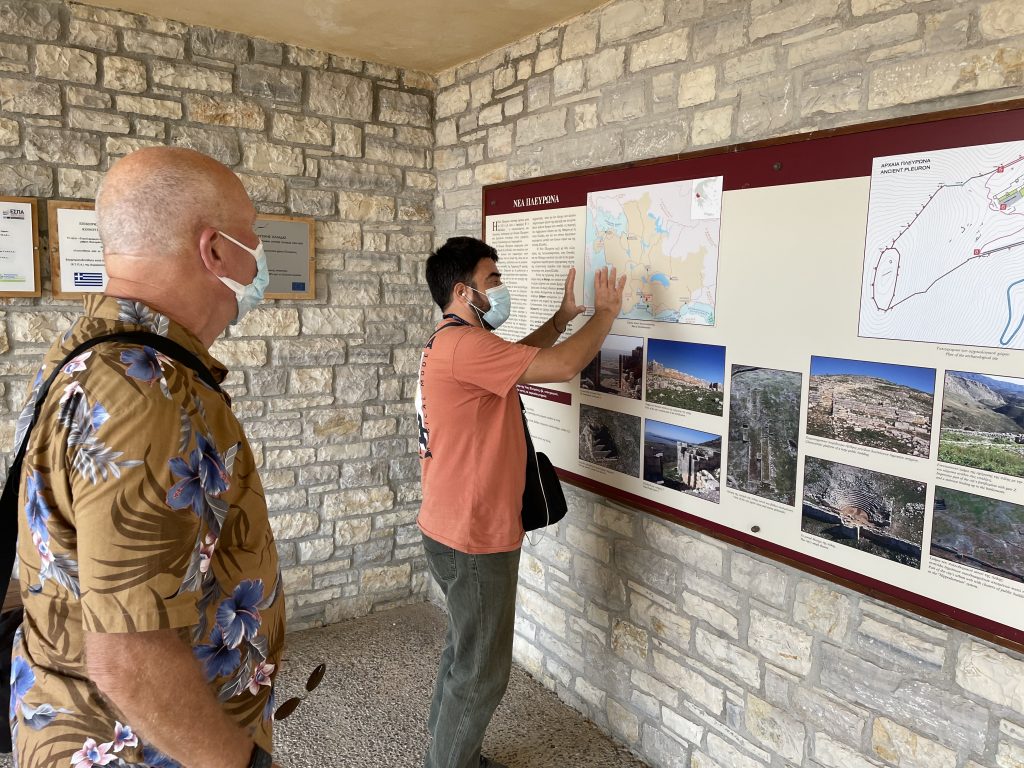
Initiatives have been formed to promote these (and more recent) cultural treasures and local features to a wider audience and to promote them in an ecologically-sustainable way, for example "Messolonghi by locals" (www.messolonghibylocals.com) . They also provide guides who show the ancient sites with great competence, knowledge and broad horizons and organize tours.

Ancient Plevrona was destroyed and rebuilt on a hill north of it on a much larger scale in the third century BC, 10,000 people lived here - Mycenae, so famous today, was not much larger.

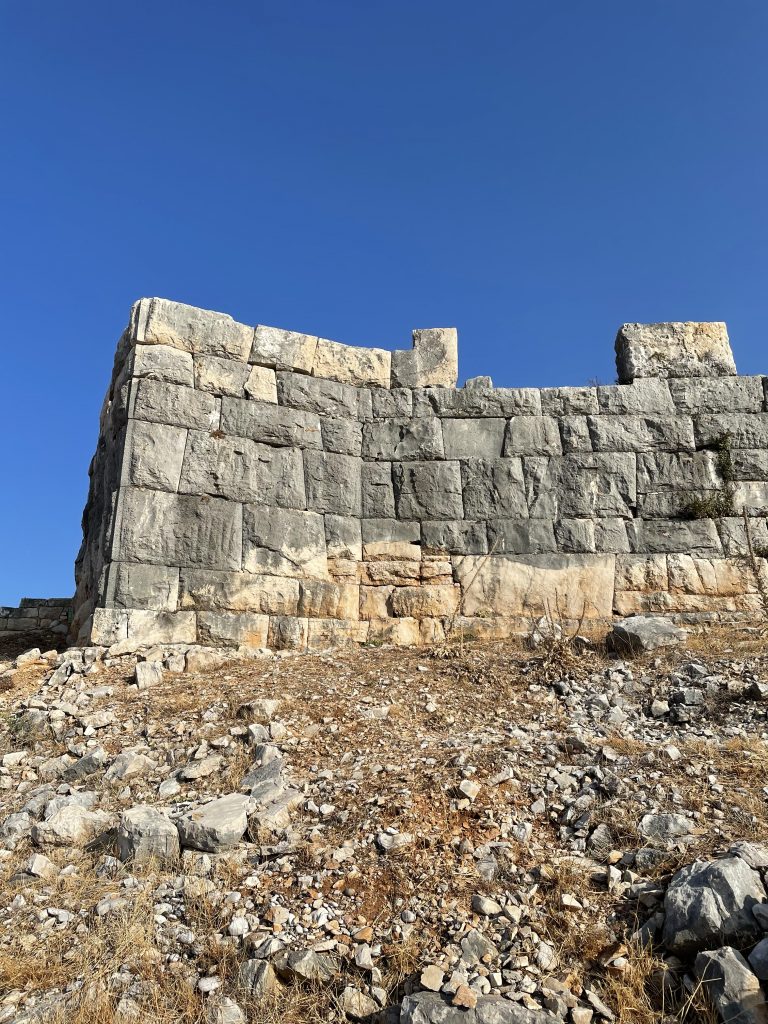
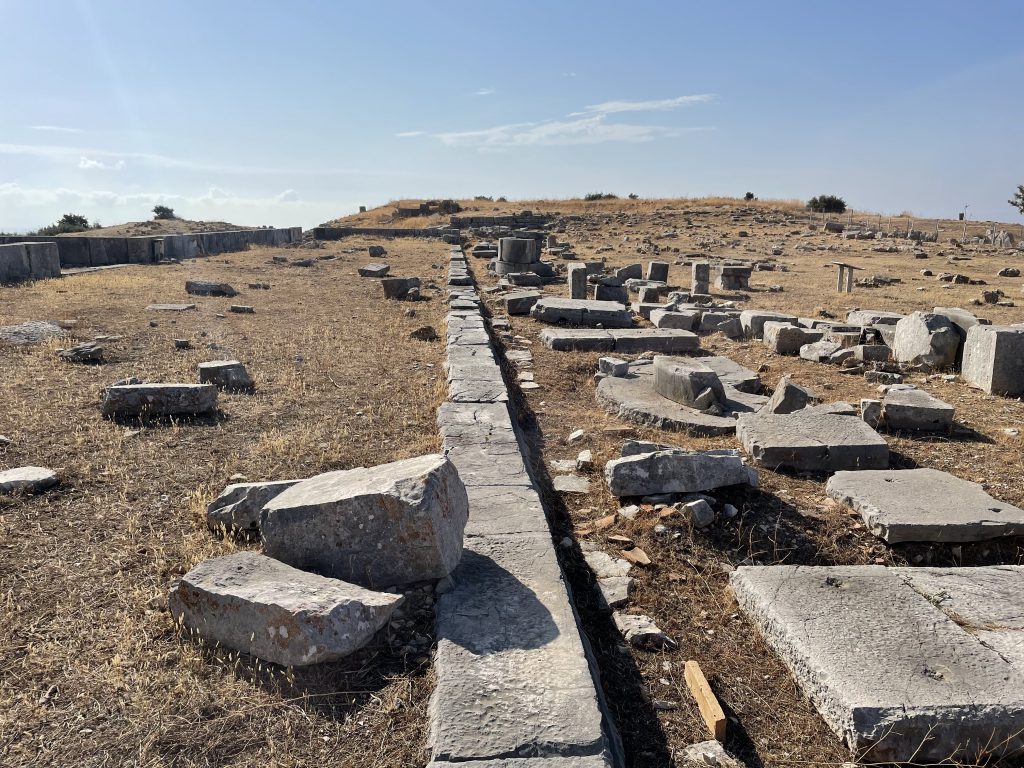
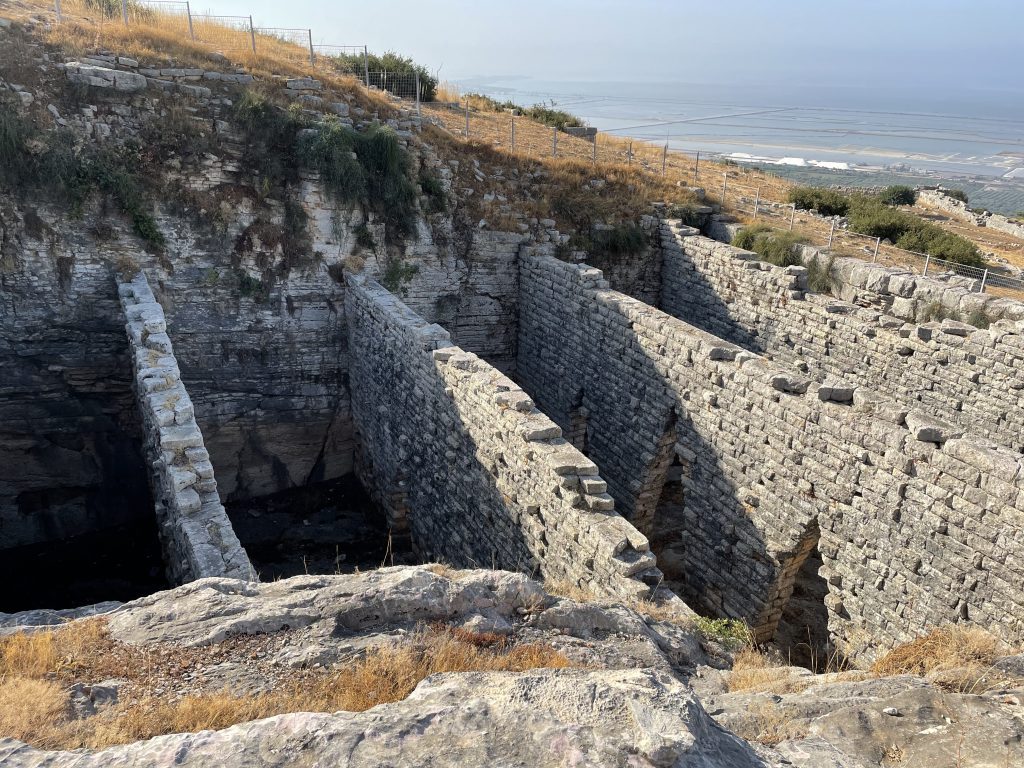
The city wall made of huge ashlar-shaped stones is 2km long and has 11 gates and 36 square towers. The city plan with theater, temples, agora, baths and stadium/gymnasion corresponds to the classical Greek system. Especially well preserved is the huge water supply system: There was no water inside the walls, it was piped in from a spring outside, distributed there into various pipes and kept ready in a huge reservoir (33x22m) built directly into the rock.

What you can also see and experience in an impressive way: the excavation and uncovering of the ancient walls and objects is a real Sisyphean task that lasts for years; archaeologists are at work to make more and more ancient treasures accessible to the visitors. And this is true for numerous ancient sites in Greece.  

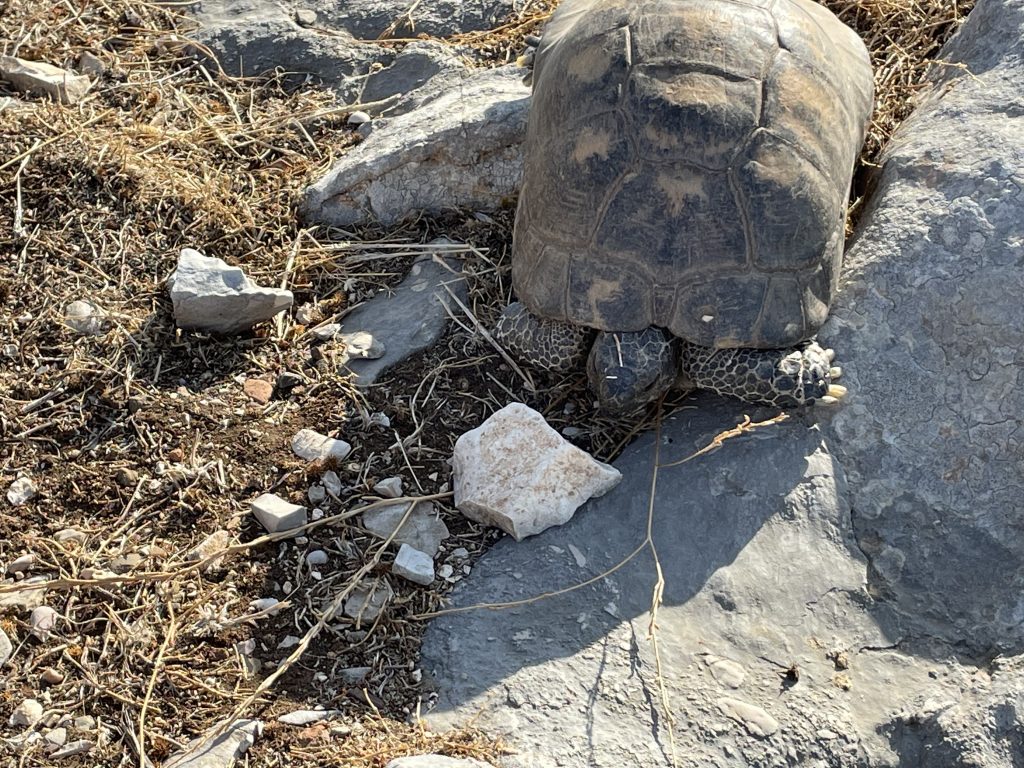
Apart from the archaeologists at Plevrona, the only other creature we encountered on the huge site was a turtle.
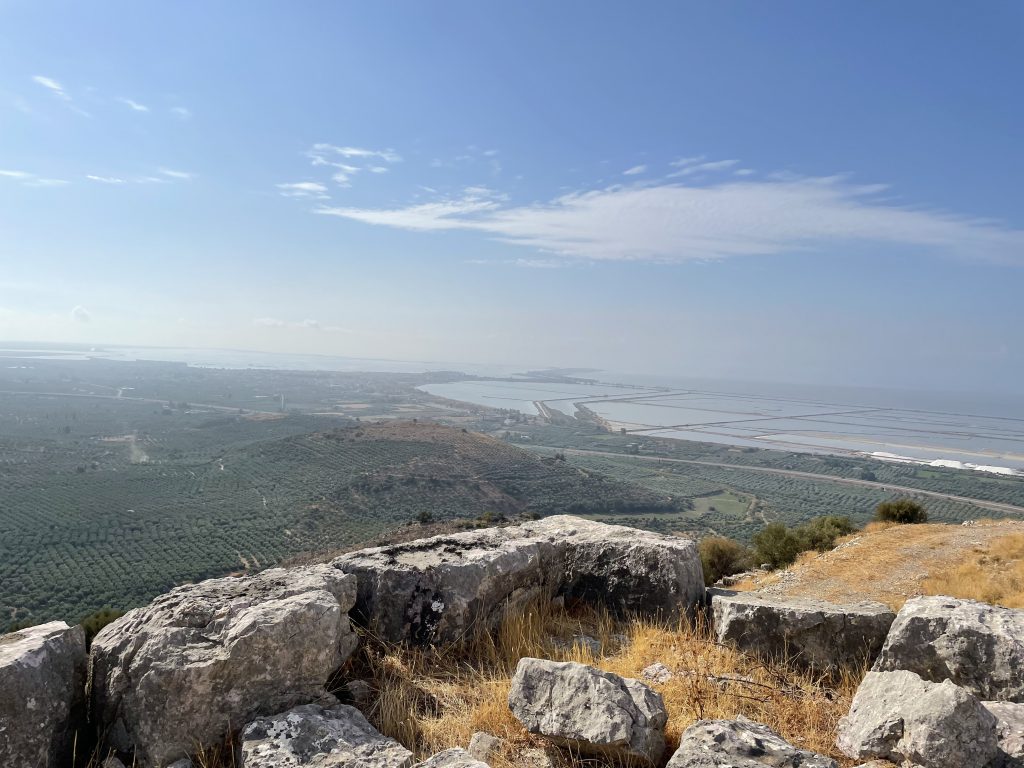
Das alte Plevrona, auch Pleuron, lag auf einem Hügel etwas nordwestlich von Messolonghi, im Gebiet Ätolioarkanien, einer Region, die schon in der Antike große Bedeutung hatte. Der Name rührt von Pleuron her, dem Sohn des Aitolos, der der Region ihren Namen gab. In der Ilias wird erwähnt, dass die Stadt für den trojanischen Krieg 40 Schiffe stellte. (7./8. vorchristliches Jahrhundert, mykenische Zeit). Plevrona hatte auch unten an der Lagune einen Hafen mit eigenen Befestigungen.

Die Region Ätolien-Arkanien ist vielen nicht bekannt, obwohl sie eine Menge bedeutender antiker Stätten aufweist, unter anderem die Stadt Oiniades mit einer riesigen Stadtmauer, einer unglaublich gut erhaltenen antiken Schiffswerft und einem schönen Theater.

Es haben sich Initiativen gebildet, die es sich zur Aufgabe gemacht haben, diese (und auch neuere) Kulturschätze und lokale Eigenheiten einem breiteren Publikum bekannt zu machen und ökologisch-nachhaltig orientiert dafür zu werben, beispielsweise „Messolonghi by locals“ (www.messolonghibylocals.com) . Sie stellen auch Guides, die die antiken Stätten mit großer Kompetenz, Wissen und breitem Horizont zeigen und Rundgänge organisieren.

Das alte Plevrona wurde zerstört und auf einem Hügel nördlich davon in einem wesentlich größeren Umfang im dritten vorchristlichen Jahrhundert neu aufgebaut, hier lebten 10.000 Menschen – das heute so berühmte Mykene war auch nicht viel größer.

Die Stadtmauer aus riesigen quaderförmigen Steinen ist 2km lang und hat 11 Tore und 36 quadratische Türme. Der Stadtplan mit Theater, Tempelanlagen, Agora, Bäder und Stadion/ Gymnasion entspricht dem klassischen griechischen System. Besonders gut erhalten ist die riesige Wasserversorgung: Innerhalb der Mauern gab es kein Wasser, es wurde von einer Quelle außerhalb hineingeleitet, dort in verschiedene Leitungen verteilt und in einem riesigen Reservoir (33x22m) bereitgehalten, das direkt in den Fels gebaut war.

Was man außerdem noch eindrucksvoll sieht und erlebt: Das Ausgraben und Freilegen der alten Mauern und Gegenstände ist eine jahrelange regelrechte Sisyphus-Aufgabe; es sind Archäologen an der Arbeit, um den Besuchern immer weitere antike Schätze zugänglich zu machen. Und das gilt für zahlreiche antike Stätten in Griechenland.  

Außer den Archäologen in Plevrona ist uns auf dem riesigen Gelände nur noch eine Schildkröte begegnet.

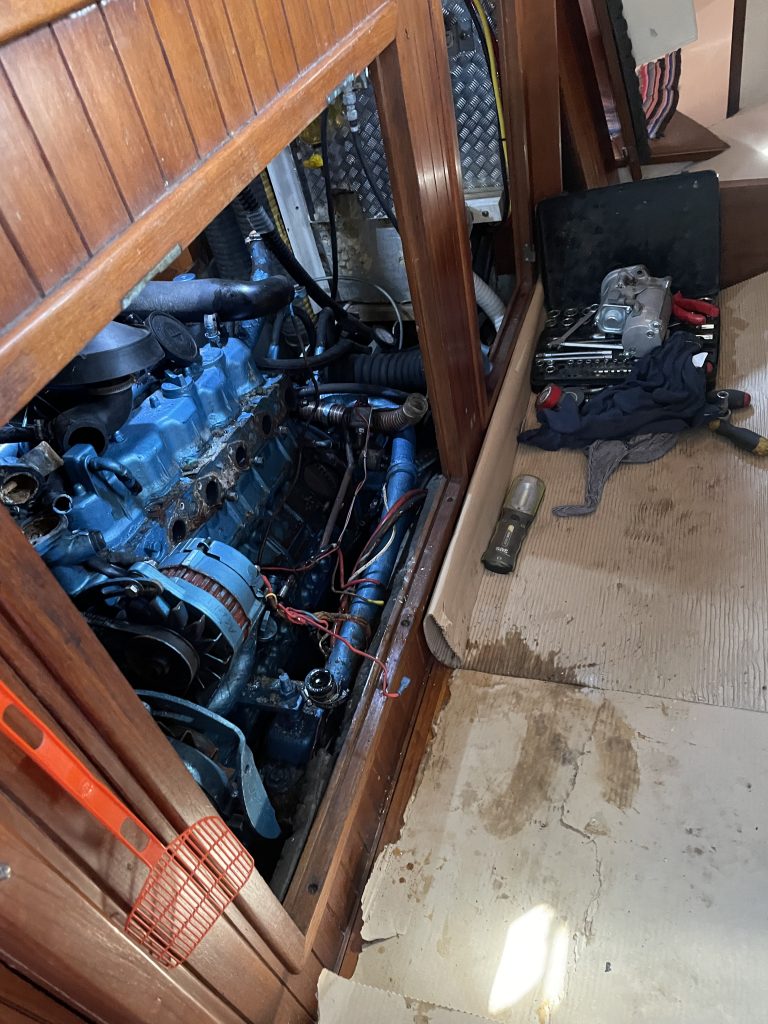
Cooling system and Turbo removed

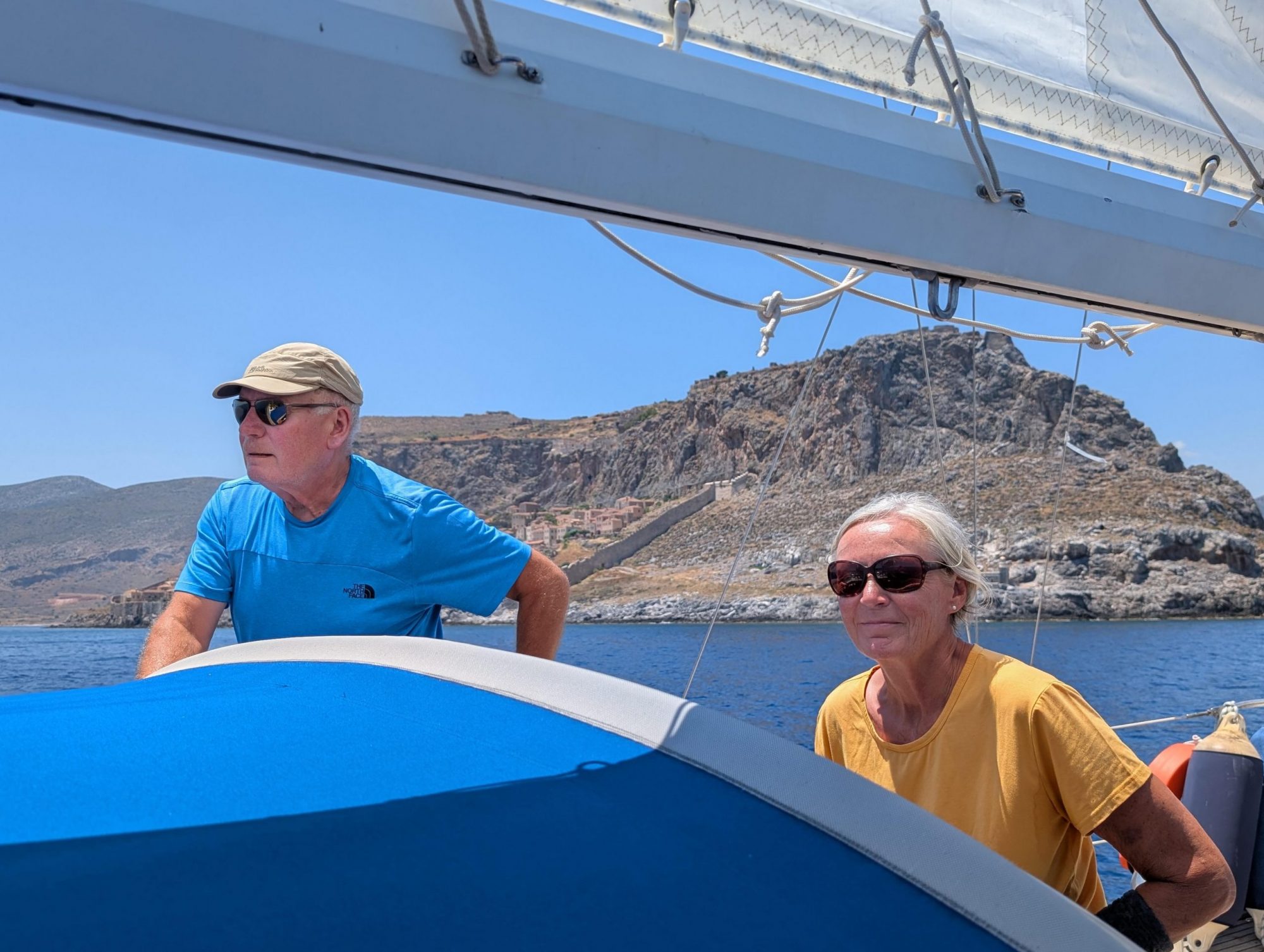
First the journey to the boat, delayed by almost three month because of Corona, then after a month the return trip to Heidelberg, so that Walter's heart could receive the necessary treatment, and now after the two-month intermezzo at home back on board. First again waiting for the longed for mechanic for our engine cooling. Now he was there and opened the cooling system. Corrosion! And not too scarce. And the turbo doesn't work anymore. Now he unscrewed all affected parts and took them to Patras. Yesterday we learned that not all parts can be repaired. So we also need new parts. But where to get them? Our Nanni Turbo Diesel is not often found in Greece and there is no representation or outfitter for Nanni. The parts have to be ordered - wherever. And that can take up to a month, the mechanic tells us. Apart from the strain on our wallets, we now have to finally give up our plan to be in Poros towards the end of September to take Michelle and Florin on board. We can only offer them a "houseboat" for the planned period. ?

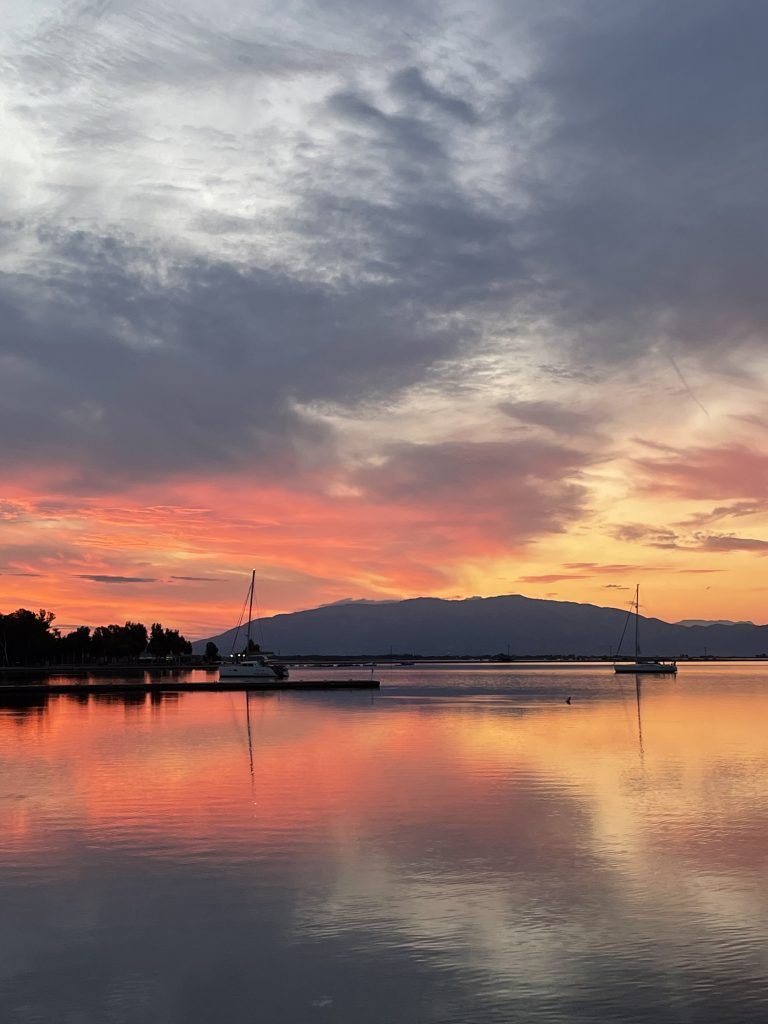
Fortunately, we are here in Messolonghi in a nice, pleasant place. Here we know some people. In the meantime we are also mobile with our bicycles. And we always have beautiful views from our boat (in the photo, for example, the sunrise). 

So for us it means: wait, take care of the boat, take care of ourselves and stay confident, that we will still get to sail this year.

1

Kühlung und Turbo ausgebaut

Erst die um fast drei Monate verzögerte Anreise zum Boot wegen Corona, dann nach einem Monat die Rückreise nach Heidelberg, damit Walters Herz die notwendige Behandlung erhält, und nun nach dem zweimonatigen Intermezzo zu Hause wieder an Bord. Erst einmal wieder Warten auf den ersehnten Mechaniker für unsere Motorkühlung. Nun war er da und hat das Kühlsystem aufgeschraubt. Korrosion! Und die nicht zu knapp. Und der Turbo funktioniert nicht mehr. Nun hat er alle betroffenen Teile abgeschraubt und mit nach Patras genommen. Gestern haben wir erfahren, dass nicht alle Teile repariert werden können. Also brauchen wir auch neue Teile. Aber woher bekommen? Unser Nanni Turbo Diesel ist in Griechenland nicht oft zu finden und eine Vertretung bzw. einen Ausstatter für Nanni gibt es nicht. Die Teile müssen - wo auch immer - bestellt werden. Und das kann dauern, bis zu einem Monat, sagt uns der Mechaniker. Mal abgesehen von der Belastung für unseren Geldbeutel müssen wir nun endgültig unseren Plan aufgeben, gegen Ende September in Poros zu sein, um Michelle und Florin an Bord zu nehmen. Wir können ihnen für den geplanten Zeitraum nur ein „Hausboot“ bieten. ?

Zum Glück sind wir hier in Messolonghi an einem schönen, angenehmen Ort. Hier kennen wir einige Leute. Inzwischen sind wir ja auch mit unseren Fahrrädern mobil. Und wir haben immer wieder schöne Ausblicke von unserem Boot aus (auf dem Foto z.B. der Sonnenaufgang). 

Also heißt es für uns: warten, das Boot pflegen, uns pflegen und zuversichtlich bleiben, dass wir in diesem Jahr noch zum Segeln kommen.

Foto: >CFalk/pixelio.de

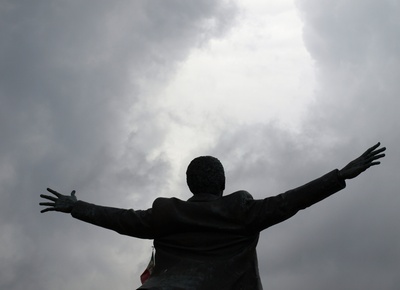
Mikis Theodorakis and his songs were with us for quite a bit of our student years, so we received the news of his death with great sadness. He died at 96 and is buried near Chania, Crete.

Mikis was not only a composer, he was a fighter for freedom and social justice, already in the resistance against the Nazis. Later, in the 1960s to the mid-seventies, there were still military dictatorships in Europe with conditions like today in Belarus, who remembers? In Greece Papadopoulos, in Portugal Salazar, in Spain Franco. Mikis Theodorakis actively fought the military dictatorship in his country, politically - and with songs, for which he went to prison and was tortured, under the Nazis and also later in the sixties. His songs were very popular in the political West Germany of the student movement and also later, we all heard them in the seventies.

He became world famous as early as 1964 with the film music for "Zorba the Greek", in Germany it had the title "Alexis Sorbas", to which Anthony Quinn and Alan Bates danced in the film - Sirtaki. The female lead role: Irene Papas. The film impressively embodies the Greek attitude to life. But Mikis also wrote the music for political films directed against military dictatorships, "Z" and "Phaedra".

He wrote over 2000 pieces, even some of them operas, that are still performed today.

He and his music were part of our political culture at the time, and we are still grateful to him for that. 

2

Foto: CFalk/pixelio.de

Mikis Theodorakis und seine Lieder haben uns ein ganzes Stück in unserer Studentenzeit begleitet, deshalb haben wir die Nachricht von seinem Tod mit großer Trauer aufgenommen. Er starb mit 96 und wird in der Nähe von Chania, Kreta, beigesetzt.

Mikis war nicht nur ein Komponist, er war ein Kämpfer für Freiheit und soziale Gerechtigkeit, schon im Widerstand gegen die Nazis. Später, in den 1960er bis Mitte der siebziger Jahre, gab es in Europa noch Militärdiktaturen mit Zuständen wie heute in Belarus, wer weiß das noch? In Griechenland Papadopoulos, in Portugal Salazar, in Spanien Franco. Mikis Theodorakis bekämpfte die Militärdiktatur in seinem Land aktiv, politisch – und mit Liedern, dafür ging er ins Gefängnis und wurde gefoltert, unter den Nazis und auch später in den Sechzigern. Seine Lieder waren im politischen Westdeutschland der Studentenbewegung und auch später sehr populär, wir haben sie in den Siebzigern alle gehört.

Weltberühmt wurde er schon 1964 mit der Filmmusik zu „Zorba the Greek“, bei uns „Alexis Sorbas“, dazu tanzten im Film Anthony Quinn und Alan Bates - Sirtaki. Die weibliche Hauptrolle: Irene Papas. Der Film verkörpert eindrucksvoll das griechische Lebensgefühl. Mikis schrieb aber auch die Musik für politische Filme, die sich gegen Militärdiktaturen richten, „Z“ und „Phaedra“.

Er schrieb über 2000 Stücke, sogar einige davon Opern, die heute noch gespielt werden.

Er und seine Musik waren damals Teil unserer politischen Kultur, dafür sind wir ihm heute noch dankbar. 

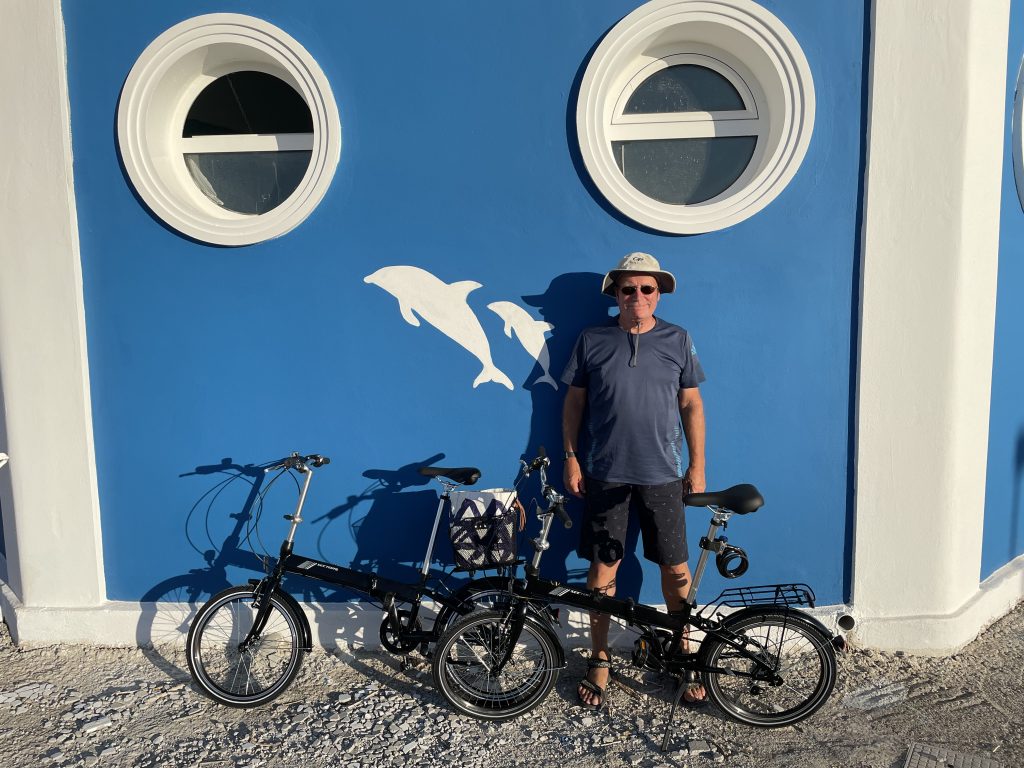
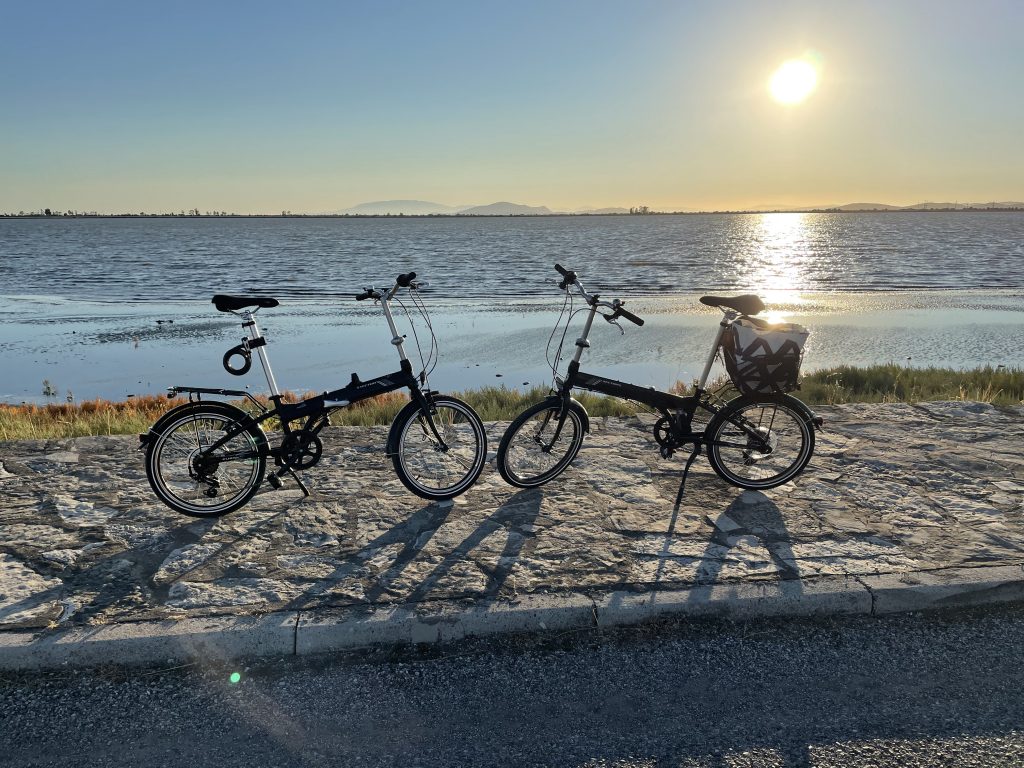
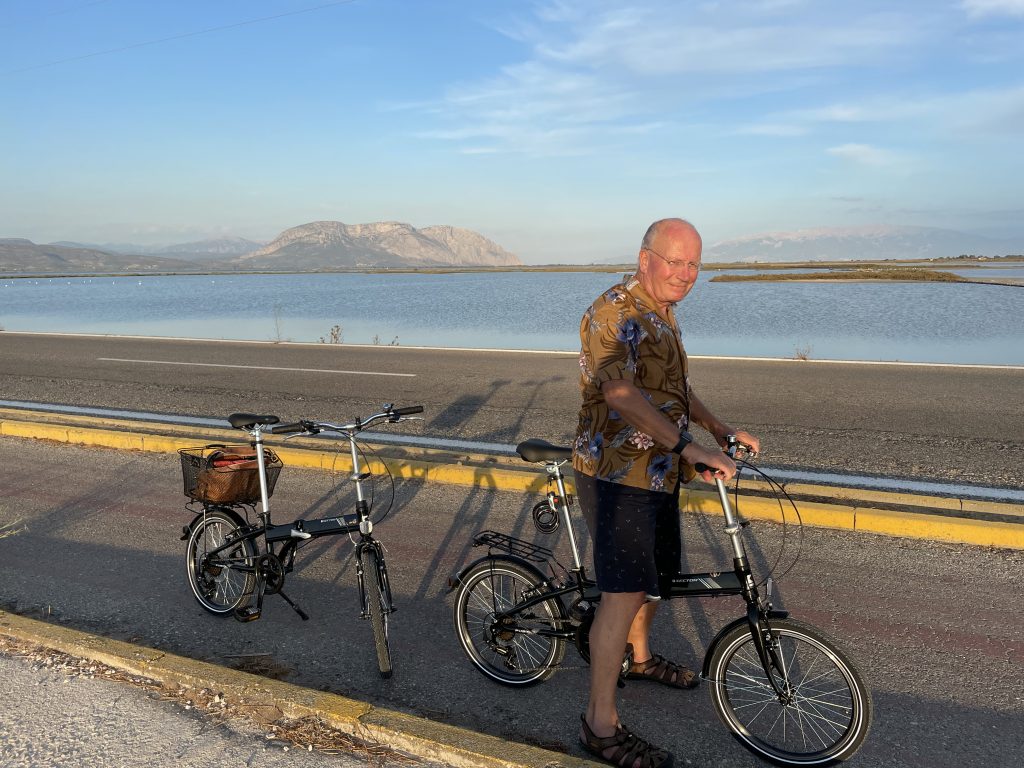
Now we are also mobile on land. That fits well, because we are still waiting for the mechanic from Patras to repair our the cooling of our engine.? Two folding bikes are now part of our equipment, which is always on board. 

In Messolonghi at Houtas Bike we ordered them, after three days they were there, cost much less than in Germany. They are not e-bikes.? The service in this bike store is great, we could observe when our bikes were bolted together. So if someone ever comes to Messolonghi and needs a bike .... 

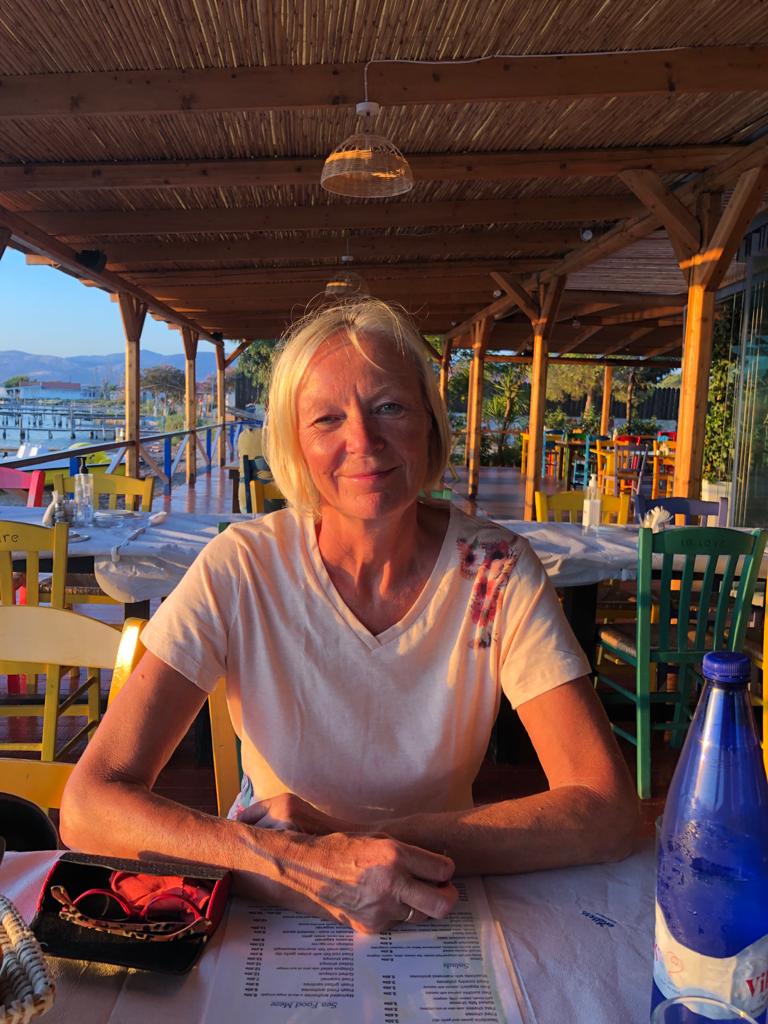
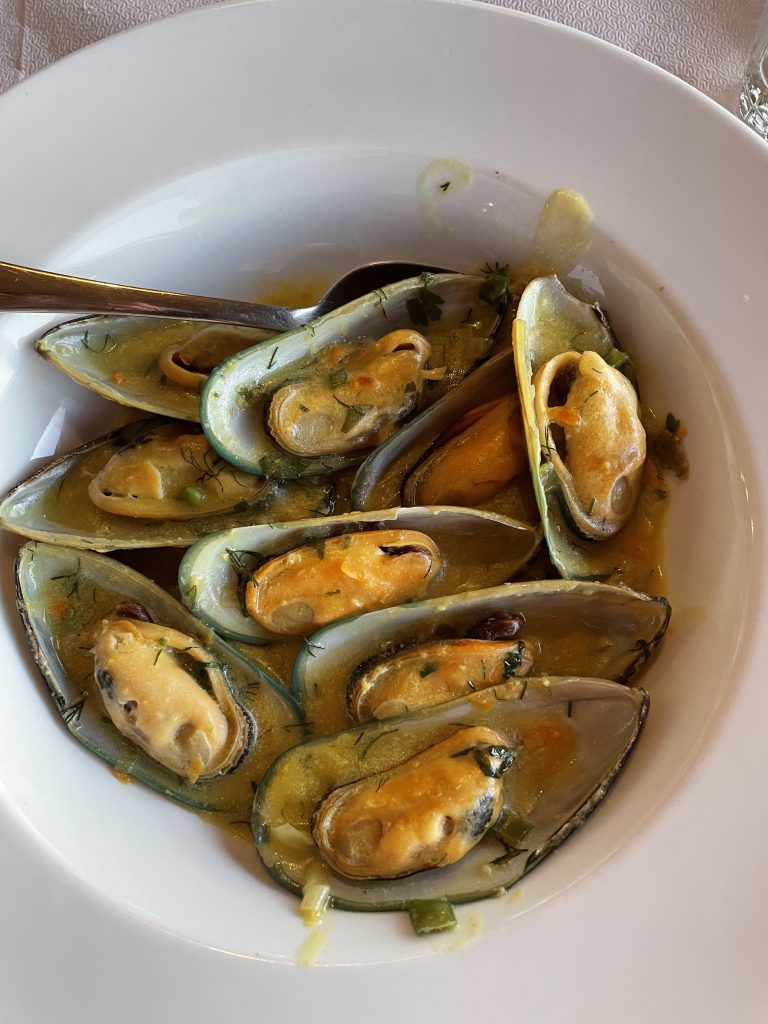
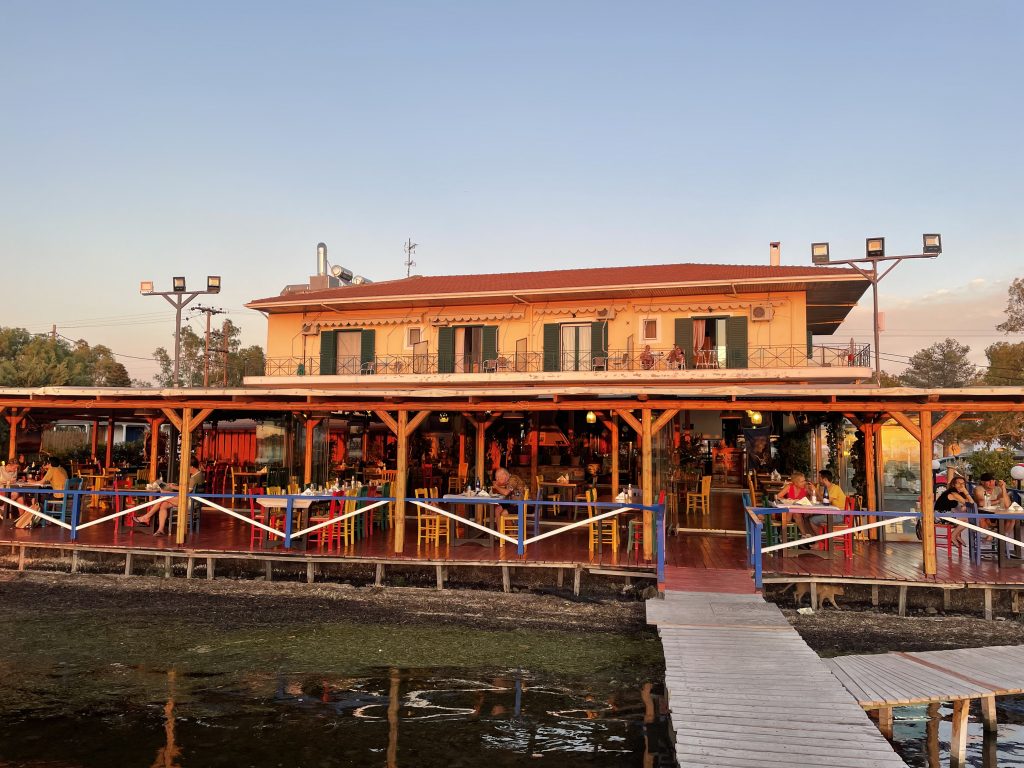
Now we are quickly in town for shopping and can make trips. This is especially good in this waiting time and lifts the mood. In the meantime we already drove along the lagoon and looked for the water birds. Yesterday we were in Tourlida at the gulf of Patras. There you can not only swim nicely and look at the Peleponnes. There is also a nice restaurant where you can eat good fish and mussels. 

Mobile on land is nice. Nevertheless, we hope that very soon we can be mobile at sea again, especially under sails.